This story is part of the project A Writer’s Shindig. Stephen Bent’s story is the last of 6 short stories written for the project. You can read more about our collaboration and read all the stories posted thus far at A Writer’s Shindig.
The air outside was bright and heavy. Insects hummed in the grass. The clearing shone, almost white. Well, what passes for white around here. In each corner, where the sun caught the gravel, the bleached earth denied it had ever been mud, a bog, a puddle or dirt. It lay hard and unyielding. My favourite time of year. But I had no time to enjoy it. He was already walking toward the trees, rolling his shoulders like a boxer loosening up for a crowd that wasn’t there.
I followed because I was supposed to. “So this is it?” he said, not even looking around. “Your big wide whatever? Your secret world is just… all these bloody trees?” He gave a whistle, long and low. “Creepy as hell.” I felt utter contempt for this fool. “They’re just trees,” I said. “Yeah, and you’re just weird.” He found a stick and swung it at a branch overhead, snapping off the smaller twigs, enjoying the noise. “Have you got anything stashed out here? I reckon you’ve got dead birds out here. Or bones. Or dead girls.”
I said nothing. He laughed. “Look at you. Jesus. You go red when anyone talks.” We crossed the clearing. The house disappeared behind us the same way it always did. Obscured bit by bit, swallowed by trunks. When we first arrived, I used to stop halfway and check over my shoulder to make sure it hadn’t vanished for good. Now I knew each knock and turn. Each dip and shade. These woods. My Woods. Home.
So this time, I didn’t turn around. He kept talking. About how big his life was. About girls. About fights. About the bus ride home from school, and how a boy called Darren had cried when punched in the nose and mocked for bleeding. All of it was like he was performing for someone else. He prattled on. I endured, and the forest led us onwards. We reached the dip before I knew we were close. The trees thinned there. Like usual, the ground sloped away into the dell. He looked at me, eyebrows raised. “Is this something?” I gulped inside but didn’t let it show. “Oh. Careful,” I said. “It’s dangerous down there. It’s steep. Hard to climb out. I fell in once.” He grinned. “Then I guess we do it here.”
He shook himself down, arms loose and wobbling again. He made sure I saw his jaw was set. It was like he’d seen boxers do on TV, and I’d seen him do already. “I told you, didn’t I?” he said. “One day, you and I were going to fight. Guess what? Today’s your lucky day.”
He raised his fists. And here we were. Two cousins, facing each other. I didn’t lift my hands. I didn’t defend myself. He threw his first jab. Smiling. It was a phantom punch, all noise and wind.
It didn’t even graze me; it was designed to make me look to the left, where he pushed the air. It didn’t work. I just stared at him. He took a second swing. I moved aside. Not because I’m smart or agile. But because it was obvious and I was edgy and scared. That’s when he smiled. He knew the sport had begun.
“Alright then,” he said. “You’re in.” It was then that he hit me square in the stomach. The breath went out of me like a balloon. I doubled over, coughing. He stepped closer, still smiling. “Hard to climb out, is it?” he said. “Sumo rules. What if I push you in?”
He shoved me hard and full of contempt. My ire awoke. I shoved back. Dry dust sprayed around our shoes, my boots, and his trainers, scrabbling for grip. He was bigger. He was stronger. But I had fear. So much fear. Fear of the drop, fear of the thing that lived beneath it.
He lunged again. I crouched, half by instinct, half by prayer. His balance is off. He went over me, his weight too far forward, arms flailing. A grunt, a slip, a shadow, and then he was gone. Silence hit first. Thick, like time holding its breath.
Another one of those moments. There was before, and now we are in the after. I curled into a ball, as small as I could make myself. I tried to stop the world from moving. I knew full well what was down there. I’d known before we left the house. I knew.
I saw the speed he went in. The air in my chest felt cold and old, like the forest was holding it for me. But no… It turned out that’s not what happened. There was a noise. Not a scream. Not the clean, dry sound of something sliced. Just a heavy scuffle, the slide of earth, the crack of twigs. Then his voice. “What the hell is this?”
Coughing, spitting leaves. Then laughter, high and breathless. “Jesus. Thought you’d killed me.” I didn’t move. Didn’t answer. My hands were pressed flat to the ground, shaking. I waited for something else, some confirmation from below. But there was only his voice again, louder, surer now. “Are you coming down here, Shrimp? Are you going to help me out or what?”
The forest stayed still. No birds, no wind. Just the faint hum I sometimes thought I could hear until I centred myself and realised every time that it was my own heartbeat. I thought of it as the sound of the line remembering itself. But really, it was the hum of my own existence. I stayed kneeling at the rim, the sunlight hot on my back, listening to him thrash and swear. And somewhere underneath, that thinner sound, like a violin string pulled too tight, deciding, almost, whether to cut. I knew that sound was in my head. But it was deafening.
“My ear!” he exclaimed. “I cut my sodding ear.” The brute’s voice sickened me. But the risk to him down there was too great. Thrashing around in the presence of the thread, he was a danger to himself. That was too much for me to bear. “Cousin. Look to me,” I called down. “Give me your hand; I will pull you out.” He was still cupping his left ear as he made his way to the side I was standing on. Blood was making thin tributaries between his fingers from the cut to his lobe. I watched his every move. When he was close to the thread. When it was safely distant from him. I didn’t say a word. But he only ever really came close to it a second time once. And just for a moment.
He came over to my side. The safest side to climb out. Where tree roots made something close to a ladder if you knew how to look. I held down my hand. My cousin took it, and one foot after another, he made his way out of the dell. He walked back to the house, cupping his ear. Silent and changed, he went inside while I sat in the clearing looking back to the woods.
That month, I stopped returning to sit with the thread. Not out of fear. Out of respect. And because I no longer trusted myself around such simple solutions for things.
I carried with me for many years the weight of that day. The memory, shame and fury are ingrained with the time I almost led a member of my own ‘flesh and blood family’ to their doom at the threshold of an ancient and immovable presence.
The pallor that summer afternoon cast over my adolescence, my prime years and my middle passage from youth to man was immeasurable. I carried that weight like a cross. I knew full well what was there. But still, I let us go. I let him face that tall, thin and final thread. But he didn’t see it. It sliced him. His ear was disfigured for all time. And yet. He knew not what had happened. Not really. A scar. A moment. A long-forgotten occurrence.
Adulthood didn’t arrive with grand announcements. It came in small print: rent due on Fridays; laundry coins stacked in a jar; bus timetables folded into a wallet that always felt too thin. Or a pocket that was always too full of junk. I moved into town. College first, then university, then a job that changed names more often than duties. I kept reading, kept looking for straight lines where nature refused them. Those impossible edges that felt eternal. Sometimes I’d find them in a theorem proof, a gallery frame, or a shaft of light cut square in a cinema aisle. More often than not, there was nothing. Nothing with the exact, indifferent purity of what waited in those woods. Nothing that matched the thing I had studied and almost fed blood to.
Years did the quiet work years do. I became the person I wake up as. I met someone kind. Kind in the practical ways. The kettle is always half-filled; the coat is lifted from your shoulders before you ask; a laugh doesn’t need an audience. We lived above a laundrette. We are always surrounded by warm air and machine hum, a weather system of steam and lint. Lint that shows itself in the air. We built a routine you could lean your weight on without it giving way.
On Sundays, I phoned Dad. Weather, groceries, the price of this and that. Silence. His memory began to thin the way old fabric does: worn through at the elbows first, then everything else. Words slipped from his pockets like receipts he’d meant to keep. The hospital rang.
We drove back. He smiled at me without recognition, as if the person he meant to greet were standing just to my left. He’s been doing that for some time. This time, he was not listening when they gave his diagnosis. Three days later, he was gone.
Forester’s Cottage filled with murmurs after the funeral. Plates travelling from hand to hand, the low-tide noise of family using up all the words that never help. My aunt hugged me hard enough to mean it. My cousin hovered with a drink. His hair had grown long enough to swallow the missing crescent of his ear.
“Yeah, I’ve got a scar back there,” he said, scratching absently at the covered absence. “Never healed right. Funny how you don’t remember half these things.” He laughed once, weightless. “Bike accident, maybe. Or barbed wire. Doesn’t matter.”
That was the moment a gear clicked in me. Some wounds are larger from the outside; some histories are only visible if you were standing where the light fell. He clapped my shoulder and moved on, already smiling at the next listener, untouched by the clean, straight edge that had once found him.
When the house thinned of bodies, we stepped out. My wife didn’t ask where. The woods had a way of inviting and excusing at the same time. We walked without speaking. Branches recognised me. Accepted us. The path arranged itself out of habit.
At the lip of the dell, I breathed in air that had not moved since I was a boy. “Still here,” I said, not to be clever, just to answer something that had been asked. I went down the way my body remembered: heel sideways on the root that holds, palm on the slick bark that doesn’t. My mourning sitting on dirt and detail is unbecoming of the occasion. At the bottom, I hovered a hand over the place where the world narrows to a razor. My wife above me, outside the dip. Just looking around the woodlands and chatting to me like I was not facing the point in time that all separates into one of two.
I stood before the line. Looking up. High into the sky. Looking down. Deep into the earth. Cleaving all that passes through it into before and then after. I held out my index finger. Moved it closer and closer still to the break in the universe. Then I touched the thread. No noise. No speed. No hum. No movement.
A sting, bright and clean. A single bead of blood formed and fell, dividing itself again on a leaf below as if to show its working. Something loosened in me that had been tight for decades. Breathing deep, I stood stock still for a moment. Then, satisfied, I climbed back up.
My wife was waiting, looking down into the dip as if reading a warning sign only she could see. “This doesn’t look safe,” she said, voice low. “We should fence it off. If a child fell in there, they’d struggle to get out.” My throat tightened. “Yeah,” I said. We probably should.” She took my uninjured hand, and we walked away together. Behind us, a leaf let go and, mid-air, calmly became two. We didn’t turn.
Together, we packed the last of Dad’s things. The door took the key and clicked in that small, respectful way old locks do. In the car, the headlights combed the trunks, pulled long shadows up toward the sky and let them go. The road ahead curved the way roads curve in the real world: not straight, not fair, simply going where it goes.
“Given time…” I said to the windscreen. “Mmm? Sorry, love?” she said, drowsy from the day. “Trees grow around wire,” I said, and smiled because she didn’t know the source but understood the sentence.
This story is part of the project A Writer’s Shindig. Stephen Bent’s story is the last of 6 short stories written for the project. You can read more about our collaboration and read all the stories posted thus far at A Writer’s Shindig.
It was not a stumble; I didn’t snag my boot on a root or slip in the wet. It was a drop. It was that precipice. And I ran straight off the edge of it. Straight off of the world I’d been hurrying through and into a deep, high-sided bowl scooped into the forest floor. A hole in the ground, slick with leaves and shadows. I had landed hard on the side of the hole and slid down into its lowest point. With the breath punched from my lungs and my momentum stopped, I collapsed into a heap near the bottom. Something metallic skittered away from me into the mushy, pulpy leaves as I came to a stop. The compass.
I scrambled toward it instinctively, fingers reaching to grasp the gift Mum had given me for Cubs. And then I froze. Bewildered by what I saw. The compass lay in two imperfect pieces. Cleaved. One side was almost two-thirds of the object. The edges are as clean as polished glass. The rectangle the dial was mounted on now looked like a wedge. The glass was not cracked but cut perfectly with glinting edges. The needle too was severed. The larger part lay on top of leaves; the smaller piece continued to tumble for a second longer.
Something brushed my cheek. As light as a whisper. That’s when I saw it.
A vertical line, rising from the earth exactly where the compass had fallen. Thin as spider silk, yet unmistakably solid. Impossibly tall. It climbed past twisted branches into the colourless sky, unwavering.
I held my breath. A leaf drifted down lazily. As it touched the line, it parted silently. Two halves spiralled down, settling on either side. I studied the two halves of the leaf as they spiralled down to the ground, now on two separate paths of wind and gravity. One half clipped the line a second time. It became two more pieces again. One larger, one tiny. Finally, they rested on the ground. One right by the point the line stands proud of the earth. My eyes widened as I drank in the details of all the leaves around it. They were all cleaved in two by a perfect straight edge.
I surveyed the ground, and there are twigs in amongst the leaves. Does it cleave the trees the same way it did the leaves, my compass? When the wind blows a twig into its path?
Slowly, the slowest I’ve ever moved, I eased backwards. The line didn’t move. It didn’t hum. It simply existed. Standing impossibly tall. From the leaves to the sky.
Only when my back met roots sticking out of the side of the slope did I stop backing up. I sat there until my breathing calmed, until my panic-beating, rage-driven heart softened into something smaller. And I looked at the line reaching up into the canopy of the forest. And I felt its presence. I felt like it might feel mine too.
It went so high I could not see the top of it. It was so thin I wasn’t sure at what point I lost sight of it. Was it where it met the branches of trees? Staring up, I was convinced I could see it reach past the top. A circle of branches seemed to part around it, allowing it to sail up into the grey above.
Did it reach the sky where aeroplanes flew? Would it cut a 747 in two the way it did my compass? Did it go into space? Did it reach down into the rocks below? How long had this thing stood here? Was this bowl in the ground caused by it? I had so many questions. Until I hit upon one that scared me more than the others.
Is it alone? Was this the only strand of immovable, sharp cutting edge in this forest? Or were the woods full of these things? Slowly. Very, very carefully, I tried to leave the bowl. Pulling myself up on the roots, I began to plot a route out of the dip. As I climbed out, my caution focused on two things. Don’t fall backwards, don’t slip, and don’t suddenly find yourself face to face with the razor’s edge. And keep your eyes peeled for others. Watch how the leaves fall. Look to the sky, look at the leaves. Don’t accidentally rush into another one.
On the walk home, I moved so slowly I must have looked like a statue at times. I scanned every trunk, every post. Afraid of lines too straight.
When I got to the clearing, Dad was gone. I didn’t go out the rest of the day. He came home in the afternoon. Hauling firewood and a hessian bag of groceries into the kitchen. I put myself to bed without dinner in the early evening. But I didn’t sleep.
I didn’t go back straight away. My curiosity grew quietly, like roots in cold soil; the terror of escaping the line became curiosity about what I’d seen and then doubt that I’d seen it at all. Dad and I found a routine. Ways to keep the peace between us. Fragile though it was. We stopped talking about Mum. We stopped talking about feelings. We discussed many things. Fire, woodwork, car maintenance, and school bus routine. But never thoughts, hopes or fears. And that way, we didn’t openly hate each other.
I tried to be as invisible as possible at school. Stay in the crowd. Slip off when nobody is looking. Find ways to not be seen or picked for anything. That part came easily most days. But I couldn’t shake the feeling I’d seen something totally unique. I’d seen and interacted with something utterly eternal. Weeks went past, and whenever I closed my eyes, I saw the crack in the world. the hairline fracture that had the sharpest edge imaginable.
Eventually, I went to the school library. Miss Redding pointed me toward reference books and told me not to bend the spines. I found nothing useful. Optical illusions. Fences. Power lines. Light refraction.
But one afternoon, buried in a battered paperback on rural hazards, I found a single line. ‘Given time, trees will always grow around wire.’ Plain. Unadorned. It hit clean. I borrowed the book and read that sentence nightly. Sometimes I traced it with my finger. I didn’t fully understand. But it felt like the shape of something true. I still didn’t tell Dad. Silence had become furniture.
By the time I’d reached thirteen, I’d decided that would be a watershed. A real teenager. A young adult. The age of many. I walked deeper into the woods after school every night. testing my boundaries. My caution around there being ‘other lines’ remained. But I developed safe paths. In, out, around. One summer evening, my feet found their way back to the dell before my mind caught up. I knew for months and months that I’d come back. I just didn’t know it would be this night. Until I was there. The evening sun had taken on a golden glow.
The thread was still there. The sunset caught the line high above the trees. A shaft of gold. Beautiful but almost so thin you would not see it if you were not looking for it. But I’d been looking for it subconsciously every day in a way. Wondering if it was thinking about me the way I had been thinking about it. But it hadn’t. It had just been here. Not moving. Not wanting or waning. Just here. Solid and so, so thin.
As I gazed up and down the line, and without thinking, I started to climb down into the hole. Gently and carefully planning my route so I didn’t slip. I never took my eyes off of it. The fear remained, but my curiosity stood taller. Once on the flat earth of the bottom, most leaves from the autumn had rotted away, so I stood on grass and moss. I sat at the bottom for hours, watching consequences fall in silence. When I finally climbed out, my head felt clearer.
That scared me more than the thread did.
I returned monthly. Respectfully. I never touched it. I watched raindrops bead along its length in summer storms, splitting into twin streams when they met the line. I tested grass blades, feathers, and twigs. Each parted perfectly. I pondered the line from the book, “Given time, trees grow around wire.” I had seen it now with my own eyes.
The fence around the clearing that circled the cottage, our home. Part taught, part wire fence post. Where it passed the first row of trees that marked the edge of the forest, there was a fine example. A fence that Dad had told me he had helped put up with Grandad. Back when he was my age. It was now absorbed as part of the environment around which the tree lived. There was no hole in the bark. The wire went in one side and came out the other.
The fence posts themselves had weathered and weakened with age. They still stood up. But they were not the formidable structure they once had been. But for the trees’ intervention, they would have remained in place. Doing their job. The trees’ absorption of the presence of the fence was indifferent. The trees just kept growing despite the man-made barrier. Until it was part of the fence, and the fence was part of the tree.
So I sat looking at this thing. This implausible, eternal, indifferent, deathly thing. The thread wasn’t violent. It was indifferent. And that spoke to me in fearful ways I couldn’t name.
At fifteen, an axis shifted again. Dad made up with his sister, my aunt. For years, they hadn’t spoken. Not since we moved to the cottage. Was it because we moved to the cottage? I didn’t know. But now they were reconciled, and that meant my cousin on my dad’s side reappeared in my life. Two and a half years without him had passed. I didn’t realise what a pleasure that had been.
Always confident, a lot taller, with a grin sharpened by universal approval. I couldn’t bear him. All adults adored him, instinctively. He was a bully. Behind the scenes, a violent thug with a clean smile and a way of throwing adults off his scent. I could smell the rot in him. And he could smell the fear in me.
We ate dinner at my aunt’s house. Voices overlapped. Laughter inflated the room. The years apart seemed to melt away for Dad and for my aunt. For her husband and for my cousin, too. They talked of memories. Of what was missed in between, but never of the rift. Never of reconciliation or regret. Only forward. They drank and ate and made merry. And when the meal was done, they encouraged my cousin and me to head outside together.
To get some exercise. To go and have some fun. My cousin seemed to genuinely like that idea. He said he wanted to show me his bike. His goalposts. His den is at the bottom of their huge garden. I nodded in agreement and dreaded the idea. So once plates had cleared, and adults had uncorked another bottle, we were dismissed.
At first, things were polite enough. We sat on the patio furniture while my cousin spun the wheels on his upturned BMX and talked about brakes, tyre treads and pads that fitted on the frame of its hot-rod red frame. I was polite. I told him my bike was once Grandad’s. It weighed a ton. He laughed and called me a word I’d never heard before. I knew it was a slur.
As our time in the garden wore on, his tone shifted. “Why’d she really leave?” he whispered after putting his bike away as he tried to keep a run of volleys going with a football. “I don’t know,” I muttered, and he kicked the ball at me. It hit my hands and bounced back to him. He laughed. “She used to buy me good birthday presents. “I liked her,” he said, rolling the ball on his foot again for another three keepie uppies before it rolled off onto the lawn. “Me too. She was good at presents.” He cuffed the back of my head. “Bet she couldn’t stand the idea of living in those woods. You reek of them, you know.” I said nothing. Some cruelties are rehearsed. He’d been thinking about sticking me since I entered the house. I could tell. And now he’d done it; I just hoped he was done. “We should get into it one day,” he said. “You and me. Mano and Mono.” I didn’t correct him.
A month later, my aunt and her whole rotten household visited our cottage. Dad and Uncle shared manly exchanges outside the cottage. Roasting each other lightly with teases and roughhousing. My aunt had me show her around the cottage. She seemed to disapprove of the state of every single thing she saw. My cousin seemed even bigger and more verbose outside of his home. In mine, it felt like a violation. My quiet, monk-like peace and carefully trodden routines are violated by loud voices, questions and judgment. Again, a big meal where we all sat across the table. My aunt cooked it before she came. She heated it up once it had got here. I have to admit it was nice to have new potatoes, carrots and gravy. To have home-cooked (but not this home) food filling the house with a smell that made me remember Mum.
Dad had the wine covered. This is what was considered his way of hosting. Provide the wine. And the sloes. The stuff he’d got bottled under the stairs. Grimy-looking second-hand bottles filled with homemade forest-fruit-based booze. When opened, it reeked, and it always made the glasses dirty. I knew they’d get to that wretched stuff soon enough. So I tried to make my excuses. “I’ve got homework to do. I have to go to my room later.” I was planning to give myself some quiet time. Hoping my cousin would find me boring and want to stay with his parents and Dad instead of me. I wanted an escape boat in time.
“Don’t worry about that,” boomed Dad. “Why don’t you show your cousin around? Show him what you find so fascinating in those woods all the time.” I wanted to protest. I wanted to just say no. But I always do as I am told. So when the last of the ice cream and crumble had been scraped from the bowls, my cousin’s hand on my shoulder was all the signal it took. And that was the end of the only good meal I’d ever tasted in Forester’s Cottage.
“Come on, Shrimp,” he said, and the adults all laughed. “I’ll race you through the woods.” I suddenly wanted to throw up everything I’d just eaten. “Go on, son. Get out of here. Give us adults some space, yeah?” I nodded. I swallowed hard. And I went to pull on my boots. I just knew this was going to go badly. I just knew.
By the time I got one boot on. He was already trying to rag on me more than I had the willpower to bear. “Come on, Shrimp!” he shouted again. It got him a laugh last time. Why not, eh? It was like it was a name everyone agreed I deserved. The adults laughed from the table, their voices thick with drink. Dad called after us, “Don’t go too far!” and then laughed at his own line, as if danger itself was a punchline.
This story is part of the project A Writer’s Shindig. Stephen Bent’s story is the last of 6 short stories written for the project. You can read more about our collaboration and read all the stories posted thus far at A Writer’s Shindig.
I was 11 in 1985. We moved into Forester’s Cottage in early November, when the light went thin, and the trees stood like grey ribs around the clearing. Every winter before that, the streets had been lit by street lamps and rain on concrete, reflecting headlights. Living among these trees was the first time I’d seen real dark. Black featureless nature. A void of light on the really overcast nights.
The cottage had belonged to my grandfather. I didn’t ever get to know him, not really. I remembered boots by the door on the day of the funeral, mud flaking off them like scabs of dried outside dragged in. I remembered silence. It wasn’t like darkness. Silence always had something else in it. Smaller things, in the distance, in the walls.
Inside, the house smelt of damp wood, old stone and older tobacco. Dad propped the back door open while he hauled our boxes from the car, his wheezy breath fogging in the cold like it came from good lungs. I followed behind, hugging a damp cardboard box marked Bedroom. The cardboard had gone soft, and none of the straight edges held their intended lines anymore. The tape curled up the sides, peeling away from the pulpy frame but keeping the flaps in line. I held the bottom just in case.
We unpacked badly. Like men. Boxes slumped half open on the landing; coats hung from bent nails hammered into beams decades ago. Dad’s dad was a rudimentary decorator. Dad stacked tins in the cupboard and wiped dust with his sleeve. In the lounge, a gas fire hissed, trying its best. The smell was round and cloying. It filled the room up to your chin.
My box held my battling robots, lots of socks, some old schoolbooks from my last school, and the little brass compass Mum gave me when we walked the coast last summer. The hinge stuck, but when I pressed the clasp, it sprang open. The needle quivered toward north. I snapped it shut. Mounted on a rectangle of metal with a hole drilled in the bottom. I’m supposed to wear it around my neck, but the string went missing long ago.
That first night, the noisy new quiet pressed against my ears. When it was this kind of silent, even my breathing felt rude. I’d have to work out where it fits in between the fox barks, the owl hoots, the trees creaking and the plumbing groans. I lay awake, listening to the wind rattle the eaves and the gas ticking in the lounge. Somewhere deep in the house, floorboards sighed like someone shifting their weight.
Days blurred, cold and grey. Dad made tea that tasted of mud and disappeared into the woods with maps he didn’t explain; when he returned, he was always tired and short-tempered. The woods surrounded the cottage. Some days, I wondered how he got the car out because the trees were so dense in all directions.
I explored the clearing we lived in cautiously. There were carpets of moss, lying slick on fallen logs. I found many pale mushrooms clustered like tiny hands with little hats on the fingertips. Pools of cold, dirty water could always be found lurking between stones. If you ventured into the shadow, the place changed so fast. Three minutes into the trees, and the cottage vanished behind a crowd of indistinguishable trunks.
When I went to school, I would often sit alone on the bus. Mud on my shoes and a bit up my trousers, the smell of Dad’s cigarette smoke in my jumper. The other kids didn’t speak unkindly to me. They just didn’t speak to me. At all. School was cold. Small and smelled of disinfectant constantly.
We had been in the cottage about six weeks. I had been at the new school for about two years. Dad was drinking before he cooked. That was never a good sign. Burnt liver and onions again. He’d even put some wine in the pan. It made it taste funny. All I said was, “Mum never cooked my food with wine.” He took my plate, which still had most of the meal on it, and poured it into the bin. “She’s not coming back,” he said.
My fork was still paused halfway to my mouth. The last morsel of food balanced on it over the table. He swooped in and swallowed it whole off the prongs. “She left. The stuck-up cow! Wanted something else. Someone else. You’re stuck with ME! That’s just how it is.” He boomed as he chewed my last bite of food. My throat tightened. My belly rumbled. My eyes swelled. The cottage’s walls pressed in.
“You’re lying,” I whispered. Dad’s jaw bunched. “Don’t start. You’re done. Dinner is done. Get upstairs. BEDTIME!” He roared as he reached for the wine bottle.
“Mum loves me. I know she does.” I said as I sloped away from the table. His voice cracked. “Then why isn’t she here?” In a low hum, the sentence trailed off into a pained noise. “Because of you,” I said, and as I spat the sentence out, the words tasted older than me. They smelt of tobacco and wine. He sighed in that way he always did when he’d had enough and conversation was over. “Bed!” he commanded. I did as I was told. I always do as I am told.
Upstairs in that creaky, damp, wonky, stinky bedroom, I curled myself tight in my blankets. Pulling them in so hard against my chest. My hands hurt, and my shoulders set like clay. The patchwork one Mum had knitted for me still had the faintest smell of her washing powder in it. I’m not even sure Dad used washing powder.
I don’t think I slept a wink that night. It was like the floorboards, the owls, and the plumbing were mocking me.
I didn’t ever hear Dad creak up the stairs all night. I kept hearing him moving around. There were chairs, doors, and the tap on the sink making a deep donkey-like groan as he washed something up at two am. But I am sure he didn’t sleep. When I felt brave enough to come down for breakfast, he was still sitting there in the kitchen. The wine bottles were three now. Two big ones and a half-size one. Like a little family. Mum, Dad and me…
He barely looked up when I walked across the stone floor of the kitchen. I rushed to find my plimsolls by the back door because I could feel the cold through my socks so strongly that it felt like my feet were getting wet. I pulled them on and turned back to the kitchen table. He was leaning like a wounded hero in a movie. Holding his side. “Do you want tea?” I asked almost silently.
“Mmmm” was his only reply. I took it to mean yes. So I lifted the kettle from the stovetop and, with both hands, hauled it over to the big porcelain sink. I had to tiptoe still to reach the tap at the back. The whole time, Dad just sat there. Barely moving.
When the kettle was full, I hoiked it back over the edge of the sink. Spilling a little from the movement of the water inside. I carried the heavy steel kettle back to the stove. Passing Dad a second time on my way. I lifted it over one of the burners. A scraping noise rang out as it found the central point over the ring. Placed the hefty container on the iron grid around the rink. “Tea?” I enquired as I reached for the matches. “Dad? Tea?” He looked directly at me as I stood there with the matchbox in one hand and a lone match in the other. His big hands held out before him now silently commanding me to hand over the fire-making tools. I never get to do the best bit of anything.
I placed the matchbox and the lone match in his two palms. He rolled the stick across his fingers and through his knuckles without really gripping it at first. It arrived between his thumb and finger like a magic trick. He struck it hard and short against the rough side of the box. The crack and spark of the match head fascinated me as I watched. For a moment, he held it still. Letting the baby flame grow past the risky stage of an early end. Once we had an assured ‘burner’ on the go, he handed it to me like a tiny torch.
Carefully and with my hand cupped to protect the flame, I made my way back to the stove. I held my palm so close to the glowing bulbous light, hoping to feel more heat than I could bear. But it wasn’t so hot. Once the gas was lit, I searched the fridge for butter and milk. We had enough of both. And the bread bin still had three slices in a Sunblessed bag. The noggin looked OK, but the slices had early signs of blue dots. “Bread’s mouldy,” I muttered and shook the bag so the slices landed on the cutting board. Dad still barely moved. “Dad. The bread’s mouldy. Do you want something else?” He looked at me as if I’d just insulted him. “A bit of penicillin never hurt anyone,” he said, unblinking. I didn’t understand. “Do you need a tablet, Dad?” He held out his hand, but I was unsure of what he was asking for, so I just put my small hand in his. “Are you OK?” He closed his rough, warm fingers around my whole open palm. “Toast those slices, Son. A bit of mould will do us no harm.” I made a face. He didn’t like it. “No harm at all,” I tried to pull my arm away.
“I don’t want to eat mouldy bread, Dad. I don’t want to.” He closed his eyes, like he always did when he was ‘searching for his patience’. “You eat what we have, so there’s no waste, and you get a full tummy, Son.” I knew he was in a mood that could not be resisted, but unwisely, I continued to disagree.
“No. I don’t want to eat mouldy bread.” I pulled my arm from his grip. He looked outraged. “Mum never let the kitchen get like this,” I blurted, looking for words that would have maximum impact. That one didn’t land. He just put his hands on his knees and glared at me. “She’d never let things get into this state,” I reiterated. Dad smiled a threatening smile. “Don’t you mention her again, Boy.” I knew this was a precipice. A cliff edge in the conversation. I just walked out into thin air anyway. “Don’t YOU talk about her. She’s my mum. She’s mine, not yours. Not anymore.” I felt the air leave my lungs, the kitchen, and the world. I could hear a pin drop in that moment. He looked at me like nothing I’ve ever seen before or since. Like the world split in two that moment. There was before. And now we were in after.
Dad’s chair scraped. He rose sharply, but I was already running.
Cold air slapped my face as I bolted out of the kitchen door; I darted across the clearing. In twenty long strides, the forest swallowed me whole. Sharp black branches whipped my arms. Leaves skidded underfoot. Roots snared my boots. But I was not talking to gravity. I was a prey animal in flight mode. I pounded and pounded my feet against fallen leaves and squelchy muddy bits, leaping over twisted fallen branches and heading downhill. Deeper and deeper into the woods. I saw the leaf colours change. The reds and browns darkening to muddy, spotty, wet, half-rotted blacks. The ground tilted.
This story is part of the project A Writer’s Shindig. Emily Amsel’s story is the fourth of 6 short stories written for the project. You can read more about our collaboration and read all the stories posted thus far at A Writer’s Shindig.
When she woke, her muscles twanged and a headache greeted her, and lifting her head produced another bolt of pain. Someone had filled her mouth with paste, an interesting feat considering how she’d slept. She staggered into the bathroom and a ghoul looked back at her from the mirror.
At the center of the vanity was the clock-slash-radio-slash-wireless charging station where she put her phone in the mornings to listen to music while she fixed her hair and did her makeup and Hugh complained good-naturedly about her taste in music. The neon blue numbers switched to a new minute, but it must have been broken, because it informed her it was not only afternoon, it had been twenty four hours since Hugh had gone out back and announced he couldn’t see his son.
The first twenty four hours were crucial, that was repeated in every crime show she had ever come across, and she almost never watched them. She trotted downstairs in hopes that they had forgotten to wake her after some big development, but Hugh and Kara were in the living room, her husband on the couch, his ex seated in the chair Elle hated like it was some sort of throne. When Kara saw her, his upper lip curled like she was something she scraped off her shoe, but it quickly melted back into indifference.
“Nothing?” Elle said, and Hugh looked up at her as if surprised to see her there.
“They brought out dogs,” he said. “I gave them some old laundry to use for scent. They haven’t found anything. Maybe the fire is interfering with them—”
An electric shock jolted her. “Fire?”
“Your stupid neighbors next door left something on the stove when they went out looking for Justin,” Kara said.
The light around her was now too bright, bleaching the world of color. Elle rested a hand on the wall before she fell, feeling her way over to the kitchen counter stool. Clearly unimpressed with the performance, Kara stood, something bitter making her face twitch.
“I need to head home,” she said. “I need to talk to my mother.”
Her steps resonated with sharp clicks on the floor, now scuffed and caked in mud. When she threw the door open, the bang of it hitting the wall made Elle yelp and jump back to her feet. Hugh grabbed her hand and squeezed for dear life, and a stranger appeared in the door. This man had a badge on his belt, and he wore scuffed jeans, like he’d been out with the search party. He wiped his boots on the welcome mat before he came inside.
“Everything all right in here?” the man asked.
“My ex wife is careless in her stress,” Hugh said, and Elle had to shake free of his hands before her fingers snapped.
“I don’t think we’ve met,” the stranger said, holding his hand out towards Elle. “I’m Phillip Michelakis. Detective with the state police.”
She took his hand. His grip was firmer than hers.
I’m sorry, I practically fell unconscious when I went to bed,” she told him, because she needed to justify her absence. He shook his head like it didn’t matter to him. But that did not mean it was so.
“Can I talk to you for a minute?” he said. “In private?”
His eyes remained fixed on her, and she wanted so badly to squirm. He’d be registering every movement, another clue to hang her with.
“I’m going to take a shower,” Hugh said in a low rasp. Then he lumbered up the stairs with heavy footfalls, leaving her with this man who put his hands in his pockets and rocked back on his heels while his eyes continued to bore holes into her. A hint of smoke bit into her eyes, and the haze masking the outside light made her walk to the still open door. The windows of the Holloway house were open with a fan had been stuck in one to suck out the remaining smoke.
“The kid left soup on the stove for hours,” Michelakis said. “Water boiled away, then the stuff inside turned to char. There’s a couple of firefighters here and they ran over when the smoke alarm went off. No serious damage.”
“That’s a relief,” Elle said, and she shut the door.
“This is starting to look serious,” he said. “The dogs haven’t been able to pick up a scent, but it’s starting to look like it isn’t a case where he wandered off.”
Elle sucked in air. “You think someone took him?”
“It’s a possibility. We have an emergency alert out, and everyone in your neighborhood is being interviewed. Was there anything at all out of place yesterday? Did you see a person or a vehicle that didn’t belong?”
She leaned against the door, not caring about the knob jabbing into her back. The day had been sunny, the sky full of puffy white clouds that did not threaten rain. It was cool enough that she regretted not bringing a jacket, but only for about ten minutes. The entire time she was outside, nothing felt wrong, she didn’t feel like she was being watched—unlike now, where the eyes crawling over her made her skin prickle.
“No,” she said. “God, I wish there were. No, wait, no, definitely not. But the only cars in driveways were ones I knew, no one had parked on the street, and everyone outside had belonged.”
“Walk me through what you remember about yesterday,” he said, and she did, and once she finished, he asked her to go through it all once more. After finishing again, her throat hurt and she went to the kitchen for a glass of water, and she could not ignore the clok-clok of his boots against the laminate floor as he followed.
“But you hadn’t seen or heard him since your husband left.”
Tears blurred her vision. She put down the glass before she dropped it.
“I meant to look,” she said, voice now a rasp. “I really did. He’s never wandered off before. The farthest he’s gone without telling us is into the neighbor’s yard, and he was still within sight.
Michelakis nodded, once up and down, his eyes never moving. Everyone was thinking the same thing, she left a five year old unsupervised, she deserved what was coming to her.
“It could happen to anyone,” he said. “I’ve done the same thing with my girls. You live in a safe place, you think they’ll be safe if you look away. Most of the time they are.”
God, he couldn’t sound more phony if he had a script in front of him.
“Now this is a little personal,” he said in that same, cozening tone. “How are things at home? Between you and your husband, you and Justin, Hugh and his son?”
No wonder he wanted her buttered up. All the better to grease out the details.
“Nothing notable,” she said. “Justin’s five, and when Hugh uses a firm tone, he always goes along with it.”
“Never does the old ‘you’re not my mom’ thing?”
Elle shook her head. “I don’t make the rules, just enforce them, and he knows if I say something, it’s because Mom and Dad say so. And Hugh’s always patient with him. I can get tired of Justin’s bouncing off the walls and shrieking every other syllable, but Hugh rolls with everything. He’s always been an easy going guy. It’s one of the reasons I like him.”
“So the marriage is good.”
“Yes, I’d say so. I never wanted to have screaming matches like my parents did, and he’s the same.”
He looked down at her feet, the pale pink nail polish getting chipped. Usually she redid them on Sunday. The detective licked his lips. Elle’s jaw clenched, not sure if it was predatory or thoughtful.
“But that isn’t how it was with Kara,” he said.
“I didn’t know them then, so I could only tell you what he told me. They were heading towards divorce before she got pregnant, and after just broke them apart completely.”
“Yes, that’s what he said. Her too, for the most part.” His eyes, threaded with red, focused on her. “How do they coparent together?” “
In my experience, fine. There’s hiccups, like when Justin got his first bike, Hugh was upset he wasn’t there in person and just had the video. Kara apologized. Same if he screws up.”
“Hm. Okay, thank you. I have more people to talk to, so I’ll—”
“Do you think someone took Justin?”
The question burst out before she could stop it. His eyebrows twitched up in what may have been surprised. Elle was certainly no poker player.
“Honestly, we have no evidence of that. None of your neighbors reported anything out of the ordinary, except one car that belongs to the boyfriend of a girl on the next street. They didn’t want her parents to find out they were still dating. We’re doing background checks on people, but the worst so far is a guy who peed outside across from a school last winter, and a guy who slept with a fifteen year old when he was nineteen.” He shut his eyes and sighed. “I don’t suppose anyone around here’s made you feel uneasy, have they?”
Her shoulders slumped. She moved from in front of the door so he could make his escape.
“Nothing. It’s why I love this place. Such a good neighborhood.”
“We’re still looking for him,” he said, hurriedly, as if to reassure. “No one has any intentions of giving up.”
He opened the door and in came a waft of bitter air. Some haze still, but it was starting to clear. Maybe the dogs would find something soon.
No, they had to find something soon.
She sat on the couch to wait. Her phone went off, and when Elle heard her sister’s voice, the dam finally burst. It was such a relief to get it out, opening an infected wound in an attempt to flush out the disease. If the low battery indicator didn’t start flashing, she might never have stopped.
“I’ll call Dad, tell him what’s going on,” Amy said. He’d express concern, maybe even leave a voicemail, and never follow up.
“Thanks,” Elle said dully. Tried to come up with something else. Failed.
“Call me tomorrow,” Amy said. “I’m off work.”
Work!
The call disconnected, and Elle plugged her phone in. There was no way she could sit at a desk and stare at marketing reports like they actually mattered. Her manager was going to be pissed, badmouthing her to others, sending passive aggressive messages that were a hair below being actionable. Elle sent a message to Veronika, she’d be out next week, family emergency, take it from her vacation time. She left her phone on the kitchen counter where she wouldn’t have to look at it for a while.
She went to find Hugh and he was upstairs lying on their bed, curled up on his side and hugging his pillow. She climbed in beside him and draped her arm over him, murmuring apologies for leaving him alone for so long. He squeezed her hand in acknowledgement.
“What if they don’t bring him home today?” he said.
“They will,” she said, and it should have been the truth.
The sun set on the second day. Kara returned with her mother in tow, and after five minutes of screaming and crying, Elle excused herself. One of them spat something at her, she nodded though she did not know if that was the appropriate response, and she headed to the master bathroom and shut the door. At the bottom of her makeup drawer was a zippered bag of old brushes and tools. Amongst the dust and dulled eyebrow pencils was a pill bottle leftover from her dental surgery. They had to be expired at this point, but Elle popped a couple anyway, then flushed the toilet and went back downstairs to stand next to Hugh.
More screaming, and Elle floated over all of it, even when it was turned her way. She took out her phone, not sure who she was going to call, and Faith slapped it out of her hand, and Elle snatched the item up a second before Faith’s foot slammed onto the spot where it had fallen.
“You need to leave,” Hugh said, his voice bigger than the crying woman. Elle pressed her face into his arm. Warm. Safe.
“I’ll be back later,” Kara said, almost a threat.
“I’ll leave the lights on for you.”
The other woman gave Elle a puzzled look, but then Kara was distracted by her wailing mother. “You said you’d hold it together,” Kara muttered.
Finally, they were gone, and Elle and Hugh sat together on the couch as the light faded. The doorbell rang and Hugh’s hand squeezed hers before he went to answer it.
The man was vaguely familiar, in rugged jeans and flannel and smelling faintly of mud and wet grass. The search was done. The volunteers had to go back to work, to their own children.
“We haven’t seen any sign of him,” he said. “I don’t think he’s anywhere around here.”
“What about the dogs?” Hugh asked.
The man shook his head. More conversation. Hugh started crying and the man squirmed and excused himself.
Hugh grabbed Elle and shook her, fingers pinching into her shoulders. “This isn’t happening, this can’t be happening.”
“I’m so sorry,” she said, prying his fingers from her shoulders. “If I looked. If I just looked!”
He shook his head, and she did not know what it meant, absolution or condemnation.
It grew dark. Elle kept her promise and flipped on the outside lights, and returned to her husband to wait for Kara. By the time the woman returned, Elle’s head wasn’t drifting away from her body as much, but she wished it was. When Kara cried, it wasn’t the banshee wails of her mother. It was a soft, painful sob that made her heart hurt.
“We have to go out there ourselves,” Kara said through the tears. She started to rise from the hassock she’d been sitting on. “We can’t give up. We can still find him!”
“He’s not out there,” Hugh said. “They would have seen something. The police will track him down. They’ll bring him home before he’s hurt.”
Kara dropped back down. The gut-twisting sobs started again and Hugh moved next to her, arm around his shoulders, and Elle reached over to take her hands.
“I’m sorry,” she said. Once again, her words received no response.
The crying tapered into sniffles, then into empty silence. “What are we supposed to do now?” Kara said.
Elle sat back on the couch, staring at the black television screen. She could have turned it on, drowned out some of her thoughts with a bad show, but she didn’t deserve it. Hugh moved next to her, pressed against her, staring out the sliding glass doors that led to the patio. For a few minutes, Kara sat with them, but she started tapping her fingers, then her feet, then got up to pace through the house. It was funny how much her restlessness was reminiscent of Justin, who never sat in one place for more than five minutes.
The question Kara posed had an answer, Elle began to think, and it was not one anyone would want to hear. They could do nothing.
“I’m going to go lie down,” she said. “Because otherwise I’m going to throw up.”
“Did you have dinner?” Hugh asked, and Elle couldn’t remember. Perhaps that was why her stomach was contemplating suicide.
The night was quiet, but at dawn, Hugh’s mother arrived, and Leslie did not yell, she did not accuse, but her grief was as overpowering as her perfume. Throughout the week, when they were still trying to hope, people kept coming by and they said it was for support, sometimes they even brought food, but they were prying for details. That’s all it ever was.
Any news? Have you thought of anything? What were you doing when you first noticed he was gone? Have you looked here? There? Where? Who? When?
Elle received them all, even Hugh’s friend from college who they hadn’t seen since their engagement party. The next time Kara showed up, she brought her father, and while he kept his mouth shut, his eyes were full of black fire. He would blame his former son in law for every woe for the rest of his life.
The first week passed, then the second. Elle’s manager called to ask her when she was coming back because she was out of vacation and sick time.
“Do you want to take family leave?” Veronika asked, and without the exasperation normally present in the woman’s words, and voice, and general existence of time off work. Elle took the phone from her ear to make sure she had dialed the right number.
“I’m going to have to,” Elle said. “I could try to work, but I…”
Her throat pinched. A noise came out, but she wasn’t sure the phone picked it up.
“I’m going to send you the names of some therapists,” Veronika said. “Um, they’re on our insurance plan, so please, call, make an appointment.”
Who the hell even are you? Elle did not say, because speaking was beyond her. She did manage to squeak out a thanks before she hung up, and somehow Veronika had actually meant it and sent a bunch of names and numbers.
She had turned into a figure of pity, which was probably better than being a figure of suspicion. The cops came back a few times, and while their questions were always personal, Elle never got the impression that she was being interrogated. Maybe that was the point, that she shouldn’t know she was under suspicion. Then came the day Michelakis arrived, hang dog expression on his face, like she caught him sending racist memes and he wasn’t really sorry but he had to act like he was.
“We’ve exhausted every lead,” he said, mostly to Hugh. “The tip line hasn’t brought anything substantive. We’ve talked to everyone. We’re not giving up, but until we have something more to go on…”
He sighed and for a moment, Elle believed he was as miserable as he seemed.
“We’re putting the case to the side. I promise, I’ll keep looking over it, and anything that comes up, I will leap on with both feet.”
Hugh stared, mouth slightly open. He hadn’t shaved in three days and his whiskers were uneven, and a lot grayer than she expected.
“Have you told Kara yet?” Elle asked.
“I’m on my way there after I finish with you.” He stood. “I’m sorry for your loss.”
Hugh gasped, eyes wide and twitching. Elle put her hand on his leg and squeezed before he screamed.
It was the first time anyone ever said it. Justin was gone. He was not coming back.
Days. Weeks. Months. Candlelight vigils. Interviews to get the word out. Therapy. Crying. Screaming. Silence.
Hugh came home while Elle was in the kitchen. Her night to cook dinner. Stew from a can. She’d had a long day and didn’t feel like using knives.
He sat down at the kitchen table. “They let me go today.”
It was only then she turned and noticed the backpack he kept his laptop in was crammed full, and next to it rested a plastic container full of the fidget toys he kept on his desk, photos (their wedding, Justin), and his speaker, among other odds and ends.
“How could they—”
“They showed a lot of patience,” he said, his tone one of despair muffled by forced enthusiasm. “I should have been fired months ago. I show up and barely do anything. I can’t…” His forehead wrinkled and he blinked several times. “Concentrate.”
She moved next to him, rested her head on his shoulder, rubbed his hand.
“What do you want to do now?” she asked.
“I can pick up some freelance stuff until I find something else,” he said, eagerly, earnestly. He meant it, but that didn’t mean he was always capable of doing so. Some months it wasn’t even a thousand, others it was closer to four. It depended on whether he was able to do more than stare at the screen.
Sometimes, he called different agencies. He even got a phone call with an FBI agent once, but it never yielded anything. On the one year anniversary, they were interviewed by two different news stations, and it was around that time Elle noticed she’d been blocked by Kara on social media. After the interview on the second anniversary, she’d realized she only talked to her husband’s ex once in the past year, to hand over some toys Kara wanted as keepsakes.
Year three brought even less attention. It was probably for the best. Hugh had taken to pulling out strands of his hair. Intensive therapy helped, at least a little.
Before the third anniversary, the Boudreaus moved away. Laine came to say goodbye, because Deion still asked about Justin at times. Elle texted her a picture in case she wanted to print it out for him.
“I’m sorry about what happened,” Laine said. They hugged. A week later, the moving van in front of their house was fully packed. When the doorbell rang, Elle expected Laine or Michelle had brought Deion for one final farewell, but it was Kara standing on the other side.
She must have lost thirty pounds over the past few years, and she’d never been a large woman. Her frame was skeletal, and her skin was rough, pores dilated, a lot of wrinkles that hadn’t been there before. It had been some time since they’d seen each other, but that long?
Elle tried to cover her shock at the other woman’s appearance. The blank expression on Kara’s face made it hard to tell if it worked.
“I didn’t expect you to come by,” Elle said. “It’s been so long since we’ve talked. How’ve you been?”
“Is Hugh here,” Kara said. “I’m afraid not. He’ll be home in an hour. You can wait if you—”
“I’m moving,” she said. “Near to my sister. I need some distance.”
Elle nodded. “I can understand that. If we ever hear anything, I’ll let you know right away.”
“Let the police do it,” Kara said. Then she turned and went back to her car, which she left idling at the curb.
I’m never going to see her again, Elle thought. That thought brought neither sadness nor relief. It didn’t really bring anything.
Hugh reacted more strongly than she expected, perhaps because there was no clearer sign that the mother of his child was giving up. Therapy was upped to twice a week for a while.
Kara left. The two of them stayed, five years, then ten. Hugh’s father died, a stroke, right around the time Elle had a lump in her breast removed. After the surgery, when Hugh brought her home, mounting dread engulfed her as she entered the house. She let it sit for a while, but her job had turned to garbage the past few years and there were better prospects in other states.
“It’s time for us to move,” she said to Hugh.
He blinked, then left the room. They didn’t talk much for the next three days, and Elle didn’t want to admit she was looking up divorce lawyers on her laptop. Then he sat her down and asked where she’d want to settle.
“You’re okay with this?” she asked.
“I know you’re right,” he said. “I’ve known this for a while. Sometimes when you get stuck, that first step takes some preparation.”
“We’re never going to forget,” she promised.
A real estate agent was contacted, a bright woman with too-white teeth and roots at the top of her bleached hair. She walked through their home pointing out things that would need to be moved or repaired in order to present the house at its best.
“That dishwasher’s got to go,” she said, heading out the sliding glass doors. Then there was a crack in the patio that needed fixing, and she suggested a fence would make parents with young kids feel safer. “You don’t want them thinking their babies might wander off.”
Tears filled Elle’s eyes and she would have excused herself if Hugh hadn’t darted in the house first. She told the agent they’d get on the fence tomorrow.
The fence guy came a week later, followed by the property evaluator who put down wooden stakes with pink plastic flags tied to them. While he was hammering one down, he moved around and fell forward, avoiding the stake but hitting the ground. Elle ran out to check on him but he was young and already getting to his feet.
“Is that an animal burrow?” he asked.
“There are some limestone caverns in the area,” she said. “There are openings everywhere, though I didn’t know one that big was on our property.”
“Man, I could’ve broken an ankle in there.” He glanced back at it. “Better have the contractor fill it in.”
The boundary stakes were done, and the fence would be started next Monday. He headed back towards the front and she checked the hole, the only opening that was actually on their property. They never mowed this far back and most of it was obscured by long grass and vines twisting out of the woods, and she swept these aside for a better look. Maybe two feet across, an almost vertical shaft. In the shadows was a glimmer that shouldn’t have been there.
Wincing preemptively for her knees, Elle knelt and took out her phone, hoping this wouldn’t be the exact moment her phone slipped from her grip. She hit the flashlight app and the light came on, and the glimmer, which may have been neon green before years of dirt settled on it, had a familiar pattern. A soccer ball pattern, in fact.
She stretched her arm farther and a scream stuck in her throat. Her arm trembled and she pulled it back before she really did lose her phone. She’d never be able to reach in there to retrieve it, and she could never allow anyone else to. The hole wasn’t that wide, but damn, it was deep, and the evaluator was lucky he hadn’t slid in deeper. If he’d been any smaller and at a worse angle, he might have fallen, and he’d never be able to wriggle out of that shaft. Well, maybe it was possible. He was an adult, after all.
The fence guys would fill in the hole, and she and Hugh could move away and they could finally live again. Even if not knowing hurt, the truth would be worse. It would kill him faster than a stroke. A single, barking laugh escaped her, but if she gave into it, it would never stop, and she’d be bashing her head against the rocky soil in an attempt to contain the avalanche.
The night it happened. She’d been dreaming. Dreaming of Justin crying out for his father.
“Ma’am!” the evaluator yelled. “Can you sign this?”
Elle straightened. “Right with you!”
She walked quickly to catch up with him. The past was buried. Let it stay that way.
This story is part of the project A Writer’s Shindig. Emily Amsel’s story is the fourth of 6 short stories written for the project. You can read more about our collaboration and read all the stories posted thus far at A Writer’s Shindig.
She stood in the middle of the street talking to a shame-faced Tommy when a car took the corner too hard and Elle jerked around, then backed across the street, no, not attempting to hide. The vehicle was a silvery white sedan, and while she had seen it many times before, it never evoked such dread. Usually it was only annoyance, as Kara always had some dig to make about the state of house. During the last pick up, she sneezed and informed Elle it was all the dust, better get to the spring cleaning.
The tires gave a millisecond of screech when she stopped, and the whole vehicle rocked when she got out. Her eyes locked with Elle’s and she spat, “Get over here!” as if to a recalcitrant teenager. Elle bit back her reply and walked to the other woman, shoulders square, eyes downcast. She did not allow her hands to tighten into fists.
“Why the fuck weren’t you watching him?” Kara barked, and her volume had to be for the benefit for everyone on the street so they would know who to blame.
“I’m sorry,” Elle said.
“Fuck your sorry! You should have been watching my kid!”
Elle took a long inhale. “Can we please not do this outside?”
“Why not? They’re all going to be watching when the cops take you away in cuffs!”
Now Elle’s breathing came in sharper gasps, and she had to work to steady herself in hopes that Hugh would come to her rescue. She recalled their fourth date, when she asked him about the reasons for his divorce in case it was something like infidelity. Instead, Hugh’s expression became that of someone who just realized he swallowed a piece of plastic.
“Things were already fragile and the postpartum time was tough,” he had said. “The depression was ugly and she said things that just can’t be taken back.”
He wasn’t coming to save her from this beast.
“Are you finished?” was all she said to Kara, who stalked into the house and shrieked for Hugh before the door was closed.
Elle kept her shoulders square and her face neutral as she walked in after her. Hugh was coming in from the back, a hangdog expression on his face. He knew what was coming and thought he deserved it.
“Did you call the cops yet or are you too fucking stupid to do that too?”
“Stop, please,” Hugh said, so quietly Elle almost couldn’t hear. Miraculously, Kara’s body seemed to unclench.
“Why wasn’t she watching him?” Kara said, her tone now at a reasonable level, though she did not hold back on the venom dripping from her words.
“He was right out back,” Hugh said.
“He’s five.”
“I thought he was still playing soccer,” Elle said. “He’s never left the back yard on his own before.”
Kara threw a glare over her shoulder. “When was the last time you saw him?”
Elle swallowed, her mouth so dry. No, he hadn’t been there when she looked out the window, but she couldn’t see the patio from there. If Justin was playing with that spinny toy he liked or his trike—he was too big for it now, but liked to pretend he was working on it—she wouldn’t have been able to see him.
“I saw him before I left,” Hugh said, and Elle was able to breathe again. “I called out I was running to the hardware store and he waved at me. He was running around the grass.”
Something nagged at Elle, but was drowned out by Kara berating Hugh for not calling the police yet. He took out his phone and Elle stepped into the back yard, staring out while she tried to let the thought come to her.
“Where’s his soccer ball?” she muttered.
She crossed the lawn, still yellowed from a wet winter with little sun. Not great for soccer, even with the light plastic ball, but Justin’s boundless energy more than made up for it. Considering its purple and blinding green color scheme, it should have been easy to spot. Nope, not in the bushes, not among the tree roots, not in the leaves mulching on the ground. Then he took it with him . . . to the park? No, someone would have spotted him by now. Damn it, where was it?
Since it was better than dealing with Kara, she kept looking for the ball until the quality of light faded. Dusk already, Hugh should be preparing dinner, she should be showering and using the vitamin enriched leave-in conditioner on her hair. Justin was supposed to be packing his bag with the toys he wanted to take over to his mother’s for the next week.
She made her way back to the house, her pace slowing the closer she got. Zeno’s arrow said you could divide a task unto infinity, but in real life, each step brought you closer to the finish line.
They were in the living room and the kitchen, but the open concept meant there were no walls to impede Kara’s death stare. There wasn’t enough strength in her to face them, and Elle hid away in the bathroom and sat down on the toilet lid. Her heart hurt, an ache that pierced it deep inside.
I should have checked. It would have taken five seconds. I should have checked. I should have checked!
The doorbell rang. That would be the police.
She plastered a smile on her face before she went out, then remembered how inappropriate that would be for the occasion. She didn’t have to hide what was inside of her—she couldn’t. People always thought the stepmom did it, and Elle read the stories. Sometimes they were right.
It wasn’t just one cop but a duo, and the first thing the older one said was that the neighborhood was being organized into search teams ready way to comb every nook and cranny with emergency lights. The older one pulled Hugh and Kara aside while the younger one asked for a quiet place to talk, and Elle took him into the office. Younger was relative, as he was still older than Elle, wearing for a uniform with the name Lacome on his breast, and it dimly occurred how close that was to the face lotion her mother liked.
“When was the last time you saw the child?” he asked.
“Not since one o’clock,” she said.
Elle went through it all, working on the flowerbeds while Hugh was busy with the dishwasher. She had watched him all morning. It was his father’s turn to keep an eye on him.
“Do you often leave him by himself for extended periods of time?” he asked with an icy coolness.
“His father was ten feet away,” she said. “He’s always obeyed the rule about staying in the back yard. There was no reason to think he’d go off on his own.”
“How about neighbors? Is there anyone he might go off to see?”
“He’s friends with Deion Boudreau, but their family is out of town this weekend. The Golds have a girl Justin’s age, but I talked to them earlier. They haven’t seen him.”
He nodded, his eyes never leaving her face. They were hard and dark and dripped with contempt. Perhaps it was her own guilt projecting, but she didn’t think so.
Tears dripped down her cheeks and she roughly wiped them away. She was shaking, and she sat down on the nearest surface, an end table, and knocked off the box of tissues. Her old anxiety habit was picking at her fingernails, but she tucked them under her legs. It would be too easily mistaken for guilt.
Officer Face Cream asked more questions and Elle did answer, but she didn’t process what was said by either of them. By the time he was done, a white van had pulled up outside, and the people coming out wore hi-vis vests. Who organized this sort of thing?
“The soccer ball he was playing with is gone too,” Elle offered, and Lacome said “Really?” and walked off to the older officer.
“He could be hurt,” Kara said. “He must be or he’d be home by now!” She whirled towards Hugh. “You both should be charged for this.”
“Stop,” Hugh said, and it was about fucking time. “A month ago, I went to pick him up and he was out front with his bike while you were napping on the couch.”
She threw her hands in the air, fingers hooked as if trying to tear something. “I had a migraine!”
With that, she marched outside. Elle swallowed her own scream—there was something about anger, it was an acceptable emotion, it made you feel justified in what you’ve done even if it was wrong—but she couldn’t muster it. This woman was going through the worst pain a person could experience, and at least some of the blame belonged to Elle.
Elle walked until she hit a chair, the recliner she hated because it didn’t flow with the rest of the décor. She sat in it and squeezed the fake-leather wrapped cushioning until she felt something tear. The piece of crap finally made itself useful.
Why haven’t they found him yet?
It was a long time she sat there, staring at the television hung over the mantle that reflected a glossy black room back at her. A warm hand closed over hers and it was like being jerked from a sound sleep, and she saw Hugh next to her, sitting on the arm rest, his eyes as vacant as she felt. She leaned against him and squeezed his leg, perhaps too hard, his eyebrows faintly pinched together.
“I’m sorry,” she said. “I should have checked on him.”
“Maybe.”
Not quite the response she’d been looking for, but he shook his head.
“It should have been all right,” he said. “It was twenty minutes. I’ve left him watching something on TV while I showered, or playing inside while I went to mow the lawn. It should have been all right!”
He said this last quietly, but with emphasis on the first and last pair of words in the sentence, as if arguing with reality that this wasn’t fair. Hugh always promised he wouldn’t be a helicopter parent, he’d let his kid grow up without fearing the world. Since she wasn’t a parent herself, Elle couldn’t quite understand what that meant. Presumably that a five year old could be left alone for twenty minutes.
“You should go lie down for a little while,” he said. “I’ll get you if anything happens.”
She opened her mouth to protest, it seemed the proper thing to do, and the tacky taste in her mouth made her grimace. Perhaps it wasn’t a bad idea, but first she went to the kitchen for a drink of water, and through the bay window she spotted the lights bobbing through the woods. What were they supposed to see in the dark that she missed in the daytime?
It couldn’t have been six hours. They should have been pausing the movie so Justin could get in his pajamas. No bath tonight, so it would take five minutes.
She trudged up the stairs to her room and the second she saw her bed, her knees threatened to buckle, and she threw herself down on it and buried her face in the bedspread. Her mouth puckered and throat clenched as she released the agony burrowed in her chest. Muffled as it was, her crying sounded like screams.
When they got Justin back, she would grip him by the shoulders and apologize for the terror he must have felt. It’s my fault, she’d tell him. I’m supposed to help protect you and I let myself get distracted. I screwed up. You’re a good kid. I love you.
He’d been wary of her when they first met, but only for about twenty minutes. Then the floodgates opened and he chattered about trucks and basketball and the scary Halloween song he’d been watching—it was March and she saw the video later, the scariest thing in it was a cartoon spider. At least, that was what Hugh said he was talking about. Justin was a toddler and every word was a guess.
Elle crawled up to the pillow and curled on her side, face hot. Sleep was out of the question, but she lay with a headache forming in her temples and listened to the voices downstairs, the opening and closing of the door. No excitement, no exclamations of relief, so nothing she cared to respond to.
The throbbing of her head grew to the point where the pain flashed across her vision. She dragged herself to the bathroom, and the clock on the wall indicated it was after nine o’clock. Nine! Justin didn’t even get to stay up that late on New Year’s Eve.
She took some aspirin and crawled downstairs to find Hugh, outside in his heavy coat, sitting on the bench on the patio.
“It’s your turn,” she said. “Go rest for a couple of hours. I’ll wait here.”
He continued to sit, staring out at the back yard. He blinked, head moving back and forth, blinked again, and she began to think he hadn’t heard her.
“All right,” he said, voice slow. “Kara’s still out there. She’s more scared than angry now. If she comes back, tell her to take five on the couch or something.”
He got to his feet, swayed. He seemed smaller than he used to.
“Leave your coat,” Elle said, and he took it off and handed it over.
He went in, she sat down. It had been hours since she checked her phone, and she distantly remembered plugging it in one of the kitchen outlets. Had Hugh told his parents yet? Should she do it in his place? No, they’d want to talk to him and he needed to rest. Leslie was going to be pissed he didn’t call her straight away so she could hop on a plane from Florida. Gary she didn’t know as well, since in spite of living forty miles away, he’d only been to visit once since Elle and Hugh married.
A shape appeared in the darkness, flashlight pointed at the ground, and it solidified into Kara, whose expression somehow appeared more vacant than Hugh’s. Her hair draped over her face like a mourning veil, and with her pale skin she appeared to be a wraith haunting the night. When her eyes met Elle’s, they did not burn, only glistening. She walked straight up to Elle and blinded her with the flashlight, but it seemed to be carelessness rather than malice as she clicked it off before she went to sit down beside her.
“Where’s Hugh?” Kara mumbled.
“I told him to rest for a little while.”
“Oh.”
Elle’s heart started beating audibly—to herself, at any rate. She was awkward around her husband’s ex at the best of times, and she could hear the silence between them. It sounded like a high pitched whine.
“Should I call Hugh’s parents?” she asked, her voice the same frequency as the ringing in her ears.
Kara seemed to choke on her own spit. “I can’t deal with my own parents. I sure as hell don’t want to deal with them right now.”
“No, neither do I.”
“Are they still living completely separate lives but refusing to divorce?”
“They certainly are. They won’t do holidays together and complain because we have to choose one or the other. They’re not Catholic. I don’t understand why they don’t bite the bullet.”
It would have been easy for Kara to keep the conversation going, sharing her own stories and criticisms of the in-laws, but she did not. Perhaps could not. Being friendly (if critical) during pickups was one thing, but actual kindness towards the woman who lost her son?
“You should go get some rest,” Elle said once again. “I’ll stay out here to wait for news.”
Kara’s eyes shut just a fraction too long to be a blink. “I suppose I will.”
It took several more seconds before she actually got to her feet and shuffled inside, the sliding glass door whispering shut, as if she was afraid to make noise.
Elle pulled up the hood of the coat and slid her knees underneath the puffy lining. A pair of light beams flashed in the treetops, bouncing out of sight. Once, she heard the distant shout of a two syllable name, and she let out a shuddery breath. No crying. She swallowed a painful lump in her throat.
It was cold, in the high forties, a little boy shouldn’t be out in this. Elle wasn’t a touchy-feely person with anyone, but when she saw Justin again, she would fold him into her arms until he was warm again. She could see him shivering, wearing only a long-sleeved shirt because he peeled his jacket off by midmorning. She embraced him and he stared up at her with big, wet eyes.
“Daddy,” he wept in a minuscule voice.
Elle jerked, on her feet before she realized she was dozing. Just a dream, but she stretched to listen in case they were finally bringing him home. The wind rustled the still mostly-naked tree branches. No more flashlight beams in sight. Midnight was approaching.
Inside, Kara was awake and on her phone, and the conversation indicated she was talking to her mother. Elle went upstairs to find Hugh and he was sitting on the bed, his phone in his hand on speaker. The deep bellow could only belong to Gary.
“—told me the second it happened! What is wrong with you? I’m coming down there!”
“Dad, you can’t drive at night.”
“Well if you told me earlier, this wouldn’t be a problem. I’m getting my keys—”
Hugh stood, his free hand a fist. “I swear to fucking god, if you show up at my door, I’m not letting you in.”
Elle shut herself into the bathroom and turned on the shower to drown out the rest of the conversation. She cleaned herself fast and stepped out to find some clean clothes, and Hugh was sitting on the bed again, his phone abandoned at his side.
“Is he coming?” she asked through her clenched teeth. Gary refused to have his cataracts treated because he didn’t want the doctors lasering into his brain, as he put it.
“He finally agreed not to,” Hugh said in a rough voice. “He won’t tell Mom. I’ll have to call Mom in the morning. Fuck.”
“They must have mentioned Justin’s name on the news,” Elle said.
“I suppose. I didn’t think my dad would turn off his alternative news long enough to catch something actually happening.”
He put his head in his hands and began to weep, softly, like nothing she’d ever heard from him. Funny how things could physically hurt when a person had received no actual damage.
More tears came to her eyes, but she could not give in, it wasn’t her child, she had no right to fall apart. She put her arms around him and held him until the tears stopped, and then for a long while after. Maybe they would have stayed forever if raised voices hadn’t thundered downstairs, Kara’s most prominent among them. A cell phone rested face down on the floor, and she was white, frantic, the tendons in her neck sticking out. Hugh put his hands on her shoulders and pulled her from the man in front of her dressed in an orange hi-vis vest and a heavy coat and gloves. His lips were pursed, as if he was holding back what he really wanted to say to her because no one would be that cruel at such a moment.
“Some of the volunteers are still out,” he said to Hugh, a reminder that these were people from the area who came to help, not paid professionals. “Most of us are stopping for the night, but we will resume in the morning—early, right after sunrise.”
“They can’t!” Kara choked out.
“There are still people out there,” Hugh said. He pushed her into the chair, and she gave no resistance. Kara checked the walls, the ceiling, the chairs, the carpet underneath her feet. She’d been in their home before, but never such unfamiliar territory.
“I’m sorry about this,” Hugh said to the hi-vis man. “She’s terrified. We all are.”
“I can appreciate that,” the man said evenly. “We’d still appreciate respect when we’re trying to help you.” “
Of course, thank you for everything.” Hugh looked down at Kara, but while she had stopped her bewildered glances, she seemed to have become unplugged.
“Thank you,” Elle added. “Everyone must need a cup of coffee. I’ll make a pot and anyone who wants one can come in to get it.”
“I’m sure you’ll have a few takers,” hi-vis man said, his tone noticeably thawed. He went outside to spread the word and Elle pulled out the coffee machine. They had plenty of the cheap brand they kept for when party guests overstayed their welcome, but the good stuff was down to some flakes in the bag. It was on the shopping list for next week. Surely they wouldn’t be . . .
Elle shut her eyes and took a deep breath, then got to work on the coffee. When she got back to the living room with the first two cups, Kara was crying against Hugh’s shoulder, him with on arm gingerly patting her back. Elle’s nose twitched at the embrace, but she only put the mugs on the table and sat next to them.
“You only like cream in your coffee, right?” she asked Kara.
She peeled herself away from Hugh. “Yes. I actually haven’t been drinking it lately. It’s giving me anxiety.”
Kara took the proffered mug and sucked down half of the liquid, likely under the assumption that it couldn’t make her feel worse.
Some of the men—and the one woman who was still out there—came in and drained the carafe, and Elle made another. The night crawled on. Every time the door opened, they all looked towards it, but they never had anything to report.
“What was her name?” Kara asked in a hoarse whisper. “The girl you went out with on the ‘marathon bad date’? The one that led to us meeting at the bar?”
“Oh,” Hugh said. “Shane.”
“That’s it. I knew it was a guy’s name. She made you get her tickets for a play, and go to dinner beforehand, and—”
“She hated the restaurant’s ‘vibes’ and made me take her somewhere else, and the wait was so long we missed that stupid play.”
“How have I not heard about this?” Elle asked. The name was familiar from the time she and Hugh laid out all their exes, but all he said was she was too high-maintenance, and how after dumping her and drowning his sorrows, he met the woman who would become the mother of his child.
“I can’t believe you didn’t tell her,” Kara said, and for the first time during that unending night, she looked Elle in the eye. “Shane wasn’t even her real name. Just what she called herself. She was a self-proclaimed astral forecaster.”
Elle’s mouth dropped open. “Why was this held back from me? I told you about my ex who lied about being in the army, and you don’t tell me you dated a psychic?”
“First of all, she insisted she was not a psychic,” Hugh said. “Secondly, I honestly forgot about that part. I only went out with her for three weeks. We were never exclusive.”
“Why’d she choose Shane?”
“She said it was the name she divined for herself.”
“Who the fuck would divine Shane for anyone?” Kara said. It wasn’t quite a smile on her face, but likely the best she could muster. “I don’t know why I’m thinking of her now.”
Maybe she could astral forecast where Justin is. But Elle did not say it out loud. It was less palatable than the coffee.
Another man came in looking for something to drink. Elle got up to make another pot.
At ever long last, the morning came, and the promised reinforcements did arrive, dozens of them being organized by what she assumed were plainclothes police. They had pictures of Justin on their phone and most were being sent to the woods and the park, but others were being sent into neighborhoods to knock on doors and hand out flyers. It was all so terribly well organized, and Elle wished she could thank who had done it.
Her phone gave off a screaming buzz, the Amber Alert that had all the last known details. Blue tshirt, jeans, brown hair and eyes, the birthmark that disappeared under his tan. Everyone in the county would know Justin’s face before the end of the day.
Each step came heavier than the last, and the stairs were nearly impossible, at one point requiring her to pull herself along the railing. She fixed her eyes forward as she passed by Justin’s room and made it into her own to collapse on the bed. Though normally she did not sleep on her stomach with her face pressed into the pillow, the second her eyes were closed, she was out, blissful nothingness enveloping her. To think, she used to be scared about dying and the cessation of existence.
This story is part of the project A Writer’s Shindig. Emily Amsel’s story is the fourth of 6 short stories written for the project. You can read more about our collaboration and read all the stories posted thus far at A Writer’s Shindig.
Elle woke to the sounds of her stepson leaping across the downstairs furniture, and shoved her head under the pillow, wishing for a few more minutes as the wooden feet scraped across the floor. And this was him being quiet. She sighed, testing the air outside the covers with one foot. Before she thought about it too much, she threw the covers off and sat up, swaying a bit, eyes still closed. She shivered as she walked across the room, and when the floor creaked, the sounds from below immediately ceased. Yet it never occurred to Justin that his own commotions were just as audible upstairs. Oh well, he wasn’t six yet.
She made the bed, Hugh’s side too, of course, because apparently he woke up having lost the capacity to pull up the sheets, then grabbed her hair brush and ran it through her hair. It made a thick crunching and she winced at the fine blond hairs sticking out of its bristles. Her mother’s hair was thin enough to see the scalp peeking through. Elle would be the same before she was forty.
Downstairs, Justin sat on the hassock wrapped in a blanket, his giraffe in his lap watching cartoons with him. He had a smudge on his face, high up on his cheek, near the café-au-lait birthmark below his temple.
“Breakfast?” she said.
“I already had cereal. I didn’t pour milk,” he added with a touch of a pout. A point of contention between him and Hugh. The first time he insisted he was big enough to handle the milk jug, he dropped it. It would be a while before Hugh let him try it again.
She went to fix her own breakfast and rolled her eyes at the sight of Justin’s bowl on top of the dishwasher next to his dad’s. He was a little kid, he forgot sometimes, but his dad . . . Frustratingly, it wasn’t fair to be mad since Hugh had to be out of the house at five this morning —this Saturday had been dedicated to the biannual security updates at his job, and most of the IT team would be getting overtime for it. Elle put both the plastic, kid-colored bowl and the gargantuan trough that held Hugh’s breakfast in the bottom rack. Her face scrunched up at the smell wafting from the dishwasher. Hugh could deal with that when he got home, which was another reason she wouldn’t complain about the bowls left two feet from the place where they needed to be.
She settled down in front of the television with her phone and her own bowl of cereal and by the time she was done, Justin had grown restless and started pulling out his cars to play his favorite game: demolition derby. Elle shut the television off and told him to go dress before turning the living room into a disaster site.
At noon, with pajamas discarded and the morning vacuuming and dusting complete, Elle went to Justin’s room and watched for a few minutes while he built a corral with his blocks. Hugh would be home soon and they would go into their typical weekend afternoon routine, housework, family activity, dinner, movie and popcorn.
“Time to go pick up the living room,” she said. “What do you want for lunch, tuna or grilled cheese?”
“Ummm.” He clicked a piece in, fashioning what she thought was a rather decent looking birdcreature to go in the corral, especially considering he was doing it without instructions. “Cheese. Can I have soda?”
“If you don’t want it for movie time, then okay.”
“Um. I’ll have it now, Elle.” He went back to his blocks.
“Living room,” she prompted, and he jumped up and ran downstairs to pick up his toys. It was five minutes before he made it to the kitchen, not even enough time for one side of the bread to get browned in the pan. He asked if he could pour out his own soda, the bottle was almost empty, please? And she gave the go ahead. He was still beaming about it after the sandwich was placed in front of him, and then Hugh came in and rested his computer case on the table. Hugh yelled, “Hey buddy!” and rubbed Justin’s head while the boy scarfed up the last of his sandwich. He tried to dash off but Hugh snagged his collar.
“Dishwasher,” he said, pointing at the plate.
Justin blinked at it. “Oh. Right.”
Elle resisted the urge for a smartass comment. “Want anything?” she asked instead.
“Nah, I’m good. I’ll grab a banana.” They kissed. Out of the corner of her eye, she thought she saw Justin’s pace quicken.
“You have to take a look at that thing,” she said, nodding her chin at the dishwasher.
“Ugh, I can smell it from here. All right. I wonder if there’s a clog in the pipe. Is it possible to plunge a dishwasher?”
He’d be chewing on that problem for the rest of the afternoon. She went out to the back yard and began mulching the flowerbeds, and Justin came out to help in a half-hearted way, enjoying digging through the dirt more than spreading it around.
“Ew, a worm,” he said, showing her the writhing form.
“Leave him in there,” she said. “Worms are good for gardens.”
His eyes went wide, marveling at this piece of information, and he carefully put the worm next to the rose bush. He stood up, eyebrows slightly pinched, shuffling from foot to foot.
“Why don’t you go help your dad?” she said. “Just wash your hands first so you don’t smear dirt in the kitchen.”
He ran inside and she went to get the rest of the mulch bags, tossing them in Justin’s wagon to cart around to the front yard. She settled in, reminding herself to prune tomorrow after Justin went to his mom’s.
Justin didn’t resent her for not being his mom, she was fairly sure. He had only been a baby when Hugh and Kara divorced—they had been in the process of separating when she learned she was pregnant and stayed together until the birth trying to decide whether growing up in a twoparent home would outweigh the trauma of having two parents who wanted to murder each other. It was almost two years later that she and Hugh started dating, a year after that they were engaged, and six months later the four year old Justin was the best man at their wedding, looking surprised and more than a little like he had no idea what was going on.
There was . . . a bit of an adjustment period. He never acted with outright you’re-not-my-mom resentment towards her (Elle was sure he was saving that for his teenage years), but he always inserted himself between her and Hugh if they were sitting next to each other on the couch, and more than once she went to bed hoping for some of the earth shattering sex Hugh promised her on their honeymoon and found Justin curled up next to him because he had a nightmare. One night Hugh tried to put him back in his own bed and he threw a tantrum until two in the morning and she was caught between wanting to lock him in the garage and hating herself for wanting to lock him in the garage.
She thought they were friends now, as much as a five year old and a grown woman who never wanted any kids could be, anyway. But she couldn’t guess how much longer that would last. Five years until he reached the cusp of tweenhood. What hell that was going to be.
Distantly, a door slammed. She raked the mulch over the dirt, it should be enough, she should have gotten one more bag to be safe, then a hand fell on her shoulder. Elle yelped, Hugh chuckled.
“I was not trying to be quiet,” he said.
“I’m in the zone!”
He shook his head, still smiling. “I’m going to the hardware store. I’ve got to go get something for that dishwasher.”
“Okay. Where’s Justin?”
“After diligently supervising me, he’s playing soccer in the back yard.”
She gave a dirt encrusted thumbs up, and he headed for his car. This gave her an excuse for a break at least, and she brushed mulch off her pants, went inside, and slipped out of her shoes before she tracked mulch everywhere. Her hands were caked in filth, and off to the half-bath she went to scrub them clean. A glance in the mirror confirmed she was frowning, stupid, no reason for it.
Hands clean, she picked up her shoes and headed into the kitchen to the sliding glass doors. Then her foot came down in a puddle of something liquid but slimy, and a sick shudder rolled up her spine. Of course she decided to carry her shoes. And oh god the smell!
She peeled off her socks and went upstairs to drop them in the hamper, not seeing Justin during her brief glance out the window. The muck was going to take forever to clean, and she’d have to guide the boy around it before tiny scummy footprints dotted her floors. When she got back downstairs, she sighed at the water pooled on the floor beneath the dishwasher and she grabbed the paper towels to dry it up only for more to leak out of the drain pipe in the middle of the appliance. At some point, she must have died, and this was hell.
“I would’ve taken care of it,” Hugh said when he came back in and she was still mopping up the mess. He put a plastic container on the table, bright purple, a curved pipe as the S in the logo.
“Declogger?” she asked.
“We’ll see if it works. Justin still out back?”
Her eyebrows shot up as she realized she hadn’t seen him since she came inside, and Hugh’s lips pressed together, mild annoyance. He stepped around her to check himself. Hopefully Justin hadn’t wandered out into the tall grass behind their property, the boundary of how far he was supposed to go when he was outside alone.
Hugh’s body was rigid, and Elle figured out why in an instant: the back yard was quiet, too quiet. She stepped out, scanning the tall grass for Justin and hoping she could spot what Hugh missed. He’d been playing soccer, probably with the neon spotted ball he liked, and his favorite activity was kicking it with as much force as he could muster. Sometimes they made it into the woods.
“Justin?” she called. Then, a little louder, “Justin!”
She waited for his high-pitched reply, but there was nothing. She took another step out and called again, really putting her diaphragm into it.
Waiting, waiting. Hugh bellowed this time, but the small figure did not come sheepishly pushing through the grass, ready to lose his movie privilege.
“He must be out front,” Hugh said. “I’ve told him time and again . . .”
She tuned out the rest of the rant and walked up to the edge of the grass, high as her chest, a thin barrier that separated the back end of the houses along the street and the thin strip of woods that led to a two-lane road. The trees weren’t much, scrawny, scraggly things sticking out of thin soil, but it would be possible for any child, even a young one, to lose his way in them. She called for him again, three times in increasing volume. The only response was the same startled silence of the birds.
Then he had to be out front. Elle turned and recoiled at Hugh’s sudden reappearance, and worse, the sick, pained expression on his face, same as the time Kara, his ex, saying everything was okay, but Justin cut his finger on a pizza slicer and they had to go to the hospital for stitches.
“He’s not out front?” she said.
He met her gaze, then quickly looked away. “I don’t like this.”
“Go check around the neighborhood. I’ll look in the woods.” “No. I’ll check the woods. Your shoes aren’t sturdy enough. Go to the playground and see if he’s there.”
She looked down at her dingy white sneakers as he brushed past her. Of course they were fine, but in his mind, he would be giving her the easier (as in, less screw-up-able) job. Whatever. It was his kid, he got to call the shots.
Chad Rowan was mowing his lawn across the street, noise protecting headphones on, dark glasses covering his eyes. Some boys—the younger Holloway kid and an unrecognizable face— were skateboarding down the street, attempting to jump, getting only half an inch off the ground. They were fourteen, too old to take interest in Justin, who would have been too shy to do more than stare from a respectable distance.
She headed down the street towards the playground, jogging a little so her heart had a reason to beat fast. Giggles drifted across the air before she caught sight of the towering blue slide, the Big Big Slide, as Justin called it, but disappointment soon swelled in her chest. It was only the trio of girls on the swings, eleven or twelve, one hanging back so both hands and feet were on the ground.
They shook their heads in tandem when she asked about her stepson, and the giggling resumed before she got ten feet away, hushed and badly stifled. Elle jogged back down the street to the teenagers still gliding along the pavement, but they hadn’t seen Justin either. She waved at Chad and he cut his mower. No, he hadn’t seen the boy all day. Her mind went blank and she chewed on her lip before she jerked back to alertness and jogged down to the Golds since Justin liked to play with their daughter Mercy. No luck there either.
For a moment when Elle crossed the sun-bathed street back towards her house, she realized none of this could be happening. She had just been cleaning up the mess and hoping this would finally fix the troublesome appliance that was only four years old. Justin couldn’t be lost. He should be running around in the yard.
Her legs took her back there before she could stop them and she was forced to face the empty yard and the discarded toys in the sand box. He never went farther than the grass on his own, not once. Why would he choose this day? For all the events that would have to line up for an upper middle class white boy to disappear from his own back yard, what was it about today that made her stepson vanish?
She shook her head trying to dispel that ugly word, but it stubbornly clung fast.
Hugh appeared through the grass, eyes wide and hopeful until he saw it was just her. “What are you doing out here?”
“He wasn’t in the park,” she said.
“Go back and keep looking!”
He turned and went back into the trees. Elle’s heart was beating louder than it should have been. Oh, god, this couldn’t be happening. They’d find Justin and never let him out by himself again. He’d be the only seventeen year old whose parents followed him to prom.
Where do I go? Should I call Kara? No. I can’t imagine what she’d think if I was the one to tell her her son wandered off. Hugh will have to call her when he gets back. We can’t wait.
The girls were still hanging around near the swings, strolling towards the northwestern corner, returning home to their parents, of course. Elle crossed to the next street, where she knew even fewer people, and knocked on doors. Each time she asked the person on the other side if they’d seen a young boy with brown hair and eyes, a hard, judgmental flash came into their eyes before they said no.
Back to the house. Hugh hadn’t returned yet. Her stomach seized, and before Elle could lurch to the bathroom, the remains of her lunch splattered on the hall floor, a mash of cheese and bread.
Justin had the same thing, she thought, and her stomach rippled again. She dashed for the kitchen, but all that came up was burning liquid, and she ran her mouth under the faucet until the taste of stomach acid was flushed out. Once this was over, it would be embarrassing how she overreacted.
After she cleaned up the mess, she headed to the back yard, where the light had taken on a golden quality as it eased into twilight. Hugh appeared in between the trees and she kept her hopes tightly under rein, but when she saw he wasn’t holding an exhausted little boy in his arms she still managed to be crushed.
Elle had known fear like this, though only twice before, first the accident her father had been in, seeing him in the hospital, unconscious with stitches in his head, leg in a cast, and her thirteen year old self only able to imagine him never waking up again. Then Mom’s cancer diagnosis, the fear lasting much longer this time, easing up after the remission started, or maybe just buried because “remission” did not mean “cured”. But it was the same as what ate away at Elle now, cold, sapping away her strength.
“We need to call Kara,” she said to Hugh. He recoiled, but nodded, heading inside to do so of course so Elle wouldn’t overhear the ass-reaming his ex was going to give him. Everything would be turn out all right in the end, it always did, but Kara would never let them forget it. She was probably going to refuse to allow Justin to come back until they put a fence up.
Elle stepped through the grass heading for the tree line, nearly breaking her ankle in a hole just big enough for a groundhog to hide in—though the way it crumbled meant this was likely limestone, and a neighbor nearly broke an ankle in a similar hole when she first moved in. Still, it would be a lot easier to live with a broken ankle than… this.
“Justin!”
She chewed on her lip until it hurt, and the wind did not bring a response. Damn it, if he wanted to explore the woods, he had to go with a grownup, that was the rule, and his dad was always happy to oblige. Maybe he chased after an animal, or one of the neighbor kids cutting across. He couldn’t have gotten far. The woods were just big enough that you needed to stand in the exact middle if you didn’t want to see any houses or cars. At the end was nothing but a busy street, the kind that even at midnight would have traffic. Elle bit the swollen spot on her lip as she imagined Justing dashing across it. A metallic taste filled her mouth.
For now, she’d assume Justin stuck to his side of the street and she went back to knocking on doors. One after the other after the other, she’d knock, they’d answer, she’d show a picture on her phone, but they always shook their heads. Most of these people weren’t in her normal bubble, and she didn’t like this being their first impression of her. There was always a flash of judgment in their eyes. It no longer mattered.
She reached the corner that led to her street, the Lin’s house, and Tommy Lin had lived in this neighborhood since he was a child. He still remembered all the nooks the children hid away in, and he grabbed his son to help him look. “
Won’t take long,” he said. “Justin’ll be back by dinner!”
Elle continued, and now that she was with her people, there were offers of sympathy and help. The Rodrigo girls, teenagers, agreed to call their friends in the area. Fran Willet offered to knock on doors. Glenn Holloway said he’d check the park and the convenience store down the road. Elle made her way back home and entered to find Hugh on the stairs, head in his hands.
“Half the neighborhood’s looking for him,” she said.
“Kara’s coming,” he said in answer. “She’s ready to rip my head off. All she could do was scream that we weren’t watching him.”
“It’s my fault. I shouldn’t have let myself get distracted. I should have been watching him!”
Tears sprung to her eyes and she expected him to react, squeeze her shoulder, reassure her it wasn’t her fault, but he continued to sit there, and it was shitty for her to expect comfort right now anyway. She kissed the top of his head and went back out to check with the neighbors.
The sleepover is an essential part of being an kid. When I was a teenager, I spent the night with friends (either my house, or theirs) nearly every weekend. When I was a young teenager, most of my Saturday nights were spent with my best friend at her dad’s apartment. She did not have a bedroom of her own at her dad’s place, so he always filled up an air mattress for us and we slept in the living room. He’d stand in the kitchen, chain smoking and drinking beer, while we watched movies and talked about boys and laughed at the stupid things that teenage girls think are funny. There were also plenty of shenanigans. That was safe place, a good place, a happy place.

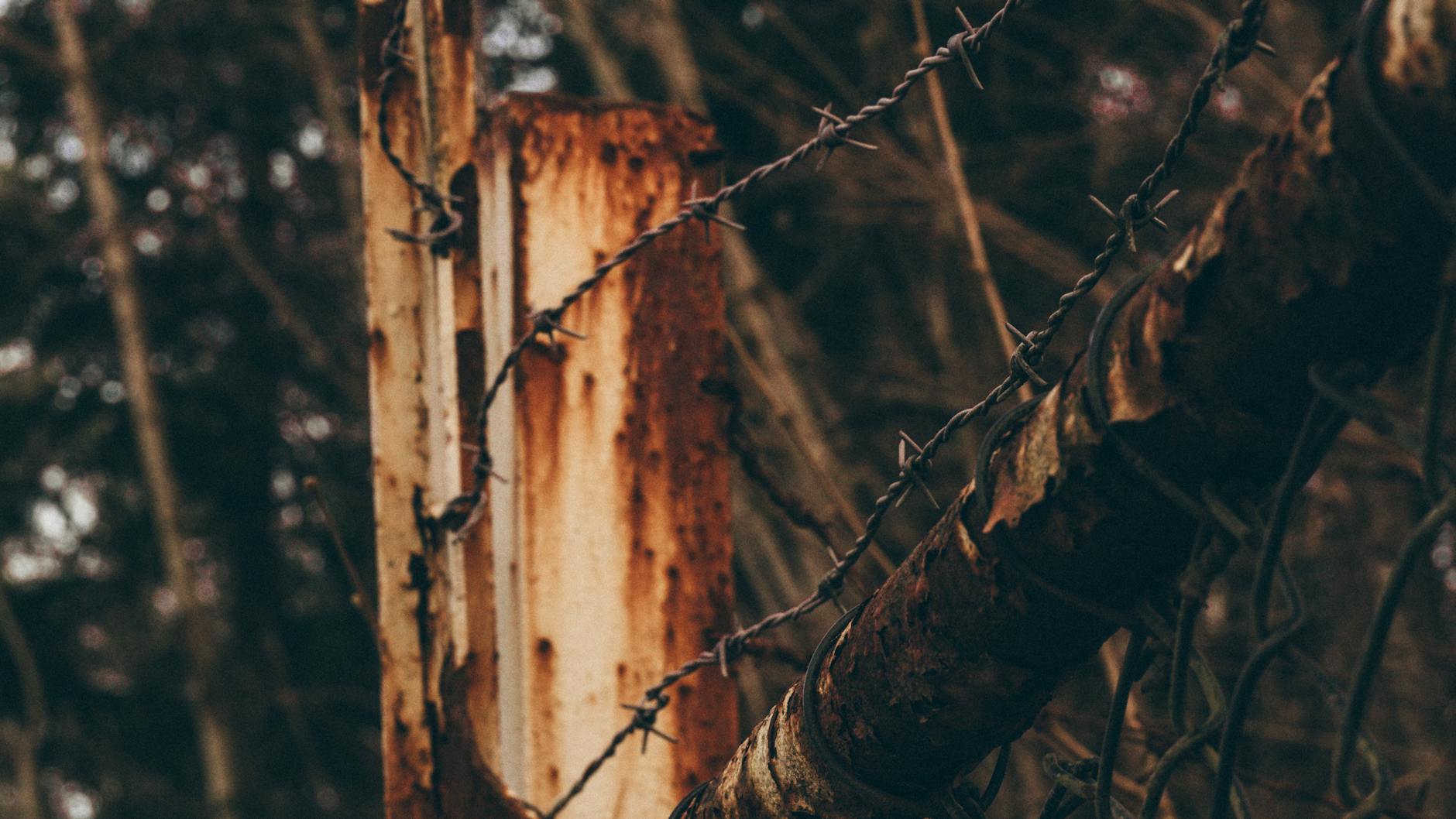
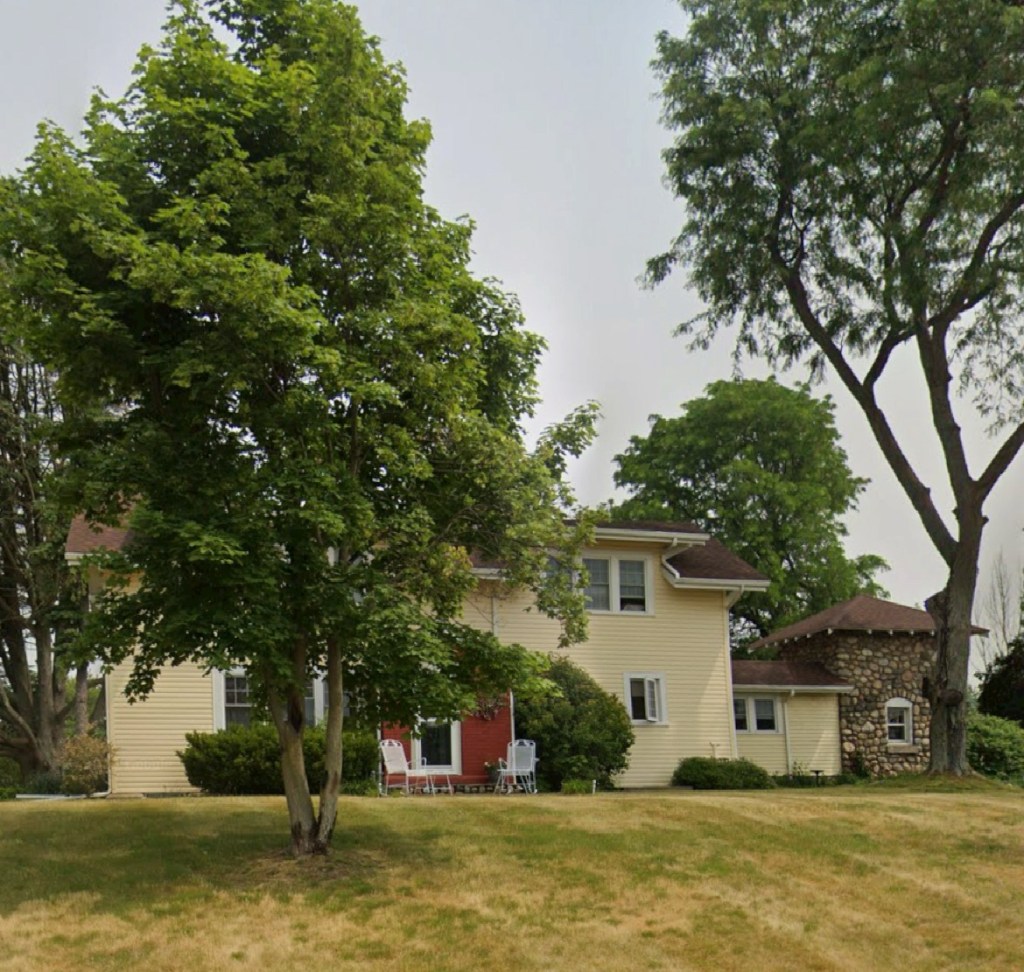

 The Quick and the Dead