Last year, I wrote a story, The White Stone, which was inspired by a verse from Revelation chapter 2. I revisited Revelation chapters 2 and 3 recently, which catalog seven letters to seven churches in Asia minor. I plan to write six other stories using pieces from the six other letters of this section to accompany the story The White Stone. Below is part of one of them.
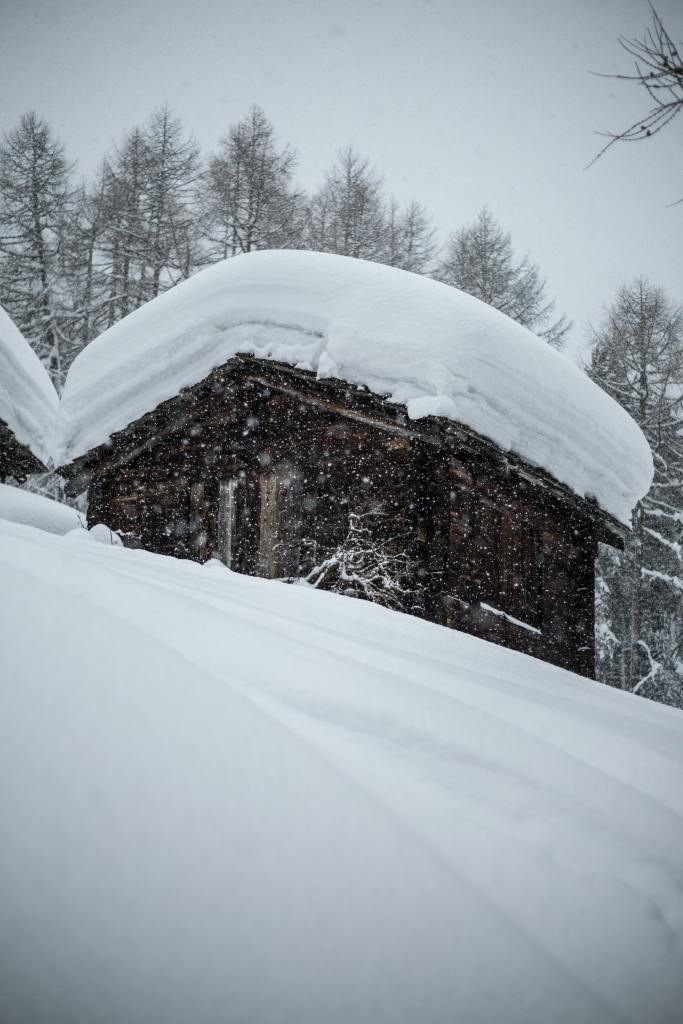
Sif pulled back the curtain and looked out across the blinding snow. The gales were so strong they were blowing the flakes sideways. Ulfrun was at the fire, gazing deep into the flames. Sif dropped the heavy fabric, shutting out the cold. She joined her sister at the hearth.
“Can you see anything today?” she asked. Ulfrun had been learning how to speak to the spirits. They came from the fire sometimes, giving her signs.
Ulfrun smiled slyly. “I always see things in the flames, Sif,” she said.
“Why do they use the fire with you, and not with anyone else?” Sif asked, jealousy curling along her spine.
Ulfrun laughed, feeling her sister’s desires. “I could teach you,” she said.
Sif crawled with power. The spirits chattered within her. “It is like reading the runes?”
Ulfrun shook her head. “It is like becoming the fire,” she whispered.
Sif squatted next to her sister, peering into the flames. She saw nothing there except the red glow of fire, the soft blue and white where it licked the logs. She concentrated, letting the power carry her. See…see…see…Sif inhaled the smoke, feeling it twirl through her.
Ulfrun sighed with pleasure, as if the fire were a lover. The sound drew Sif back to the room where she crouched next to her sister at the hearth. Ulfrun’s delight unnerved her. “You’ll be carried off,” she scolded.
Ulfrun laughed. “Would it be so bad?” she asked, her voice thick with power. Her hair had gone white and her eyes were like the snow that was piling outside their house.
“What are you two doing?” their mother asked. She was sitting in a chair, wrapped from head to toe in a thick blanket. She had been asleep most of the evening.
Ulfrun’s eyes returned to their normal darkness as the power flowed out of her. Sif felt the rush of it moving, like an upturned jug spilling across the floor. “Ulfrun…” she whispered in awe, in terror.
“It’s not too much, Sif. Not if you know how to hold it.” Her smile was wicked. She looked like the Skuld.
Their mother rose from the chair. “Not answering your Madir?” she grumped.
“Sif is learning how to read the fires,” Ulfrun said.
Their mother snorted. “Read the runes. Read the fires. Next you’ll be reading the stars. Reading bones.”
Sif shut out the angry hissing of the spirits. She didn’t admit that she already knew how to read bones.
“You should use the fire to do something about this cold,” the mother said.
Ulfrun let the power flow through her. She opened like a rose bud, drinking in the rush of it. Sif breathed heavily. She cowered in her sister’s presence. Ulfrun closed her eyes, drawing more, until her whole body was white, like the snow outside.
“Ulfrun!” Sif gasped.
But Ulfrun didn’t reply. She rose from the hearth, walking straight towards the door. She threw it open, marched determinedly into the howling wind, the driving snow.
“Ulfrun!” Sif called again, watching as her sister used the power to quiet the gusts. The wind grew still. The snow that had been driving hard as iron a moment before swirled gently down to the earth. All was quiet for a moment. Ulfrun let the power flow from her, her hair returning to it’s normal reddish blond. She collapsed into the snow.
Sif ran from the house without bothering for a coat. She called to the wild magic. The spirits heard her cries, some wailing, some laughing. She dropped to her knees in the snow where Ulfrun lay, hands stinging from the biting cold.
“Ulfrun,” she said, stroking her sister’s face. She was pale. Sif pressed two fingers to her neck. Her heart had a steady beat. The wild magic lent her the strength to lift Ulfrun’s body from the snow. She carried her back to the house, laying her on their shared bed.
“Here,” her mother said, coming behind her with her own blanket. She laid it over Ulfrun’s still body. She stirred, groaning. Then she smiled. She smiled. Sif frowned.
“You are reckless,” she scolded, feeling the frown in her entire body.
Ulfrun’s smile relaxed. “Not so cold now, though, is it?” she replied.
Sif’s mother scoffed. “Why you girls chose this, I will never understand.”
“You don’t know the power, Madir,” Ulfrun said, eyes still closed. “If you did, you wouldn’t have to wonder.”
Sif kept her mouth shut. Ulfrun was right, of course, but she was still angry with her. She would be carried off if she was not careful—and Ulfrun was rarely careful about anything.
“Mr. Sanburn?” The woman’s voice was watery through the ringing in his ears. He was awake, but he couldn’t seem to focus on anything. Everything was white. The woman called to him again. This time turned his head towards her voice. Her dark hair contrasted with the pure white of her coat, her blouse, her name tag. The letters meant something he didn’t immediately recall. He stared, searching his memories.
“Greta,” he said to himself, as his brain put together how to read.
“How are you feeling, Mr. Sanburn?” Greta asked. She lowered her face and inch or two nearer to the table, her eyes warm with compassion.
Sanburn lifted himself slowly, propping for a moment on his elbows before sitting all the way up. Greta pulled back, waiting patiently for his answer. He assessed himself. His head felt strange, but his whole body was relaxed. He felt lighter than he had been felt when he entered the room earlier that day. “I feel good,” he said, surprised.
“You look like it,” Greta said. “We can always tell if the procedure had an effect.”
Sanburn slid his legs off the table, dangling them for a moment before letting the rest of his body roll off the side. His feet on the floor, he raised his head high, turning his face upwards for just a moment, placing his hands on his hips and trying to really feel his own feelings. Yes. Definitely lighter.
“I’ll take you to Dr. Guldenshuh now,” Greta said, grasping the handle of the instrument cart. She waited for him to take the first step before following him from the procedure room.
The hall was just as clinically white as the procedure room had been. Greta parked the cart against the wall, just outside the procedure room. “This way,” she instructed, walking ahead of him to the left. He followed slowly, amazed at the transformation. Just that morning he had been morose, nearly talking himself out of coming. He had contemplated staying in bed, not showering for the third day in a row, and subsisting off stale cereal while he doom-scrolled through the latest news. It seemed impossible that had been just this morning.
Dr. Guldenshuh’s office was at the end of the hallway. Greta stopped outside of the door and waited for his approach. He had been lagged behind her, lost in his wonder. When he arrived beside her, she smiled tenderly, almost motherly, then turned the handle. “After you,” she said.
Sanburn moved through the open doorway into the office. Dr Guldenshuh sat behind her desk, her glasses at the end of her nose, writing furiously in a notebook. “Hello. Have a seat,” she said, not even looking up. “I’ll be with you in a moment.”
Unlike the rest of the facility, the psychologist’s office was rich and warm. She had large, lush, dark wood furniture. The wingback chairs looked like they belonged near a fireplace in a manor house. There was a glorious high pile carpet laid across the floor. Sanburn felt safe in this office. It reminded him of home—not his home, but a home he would like to have.
Greta took a seat in one of the wingbacks, and Sanburn took the other. Dr. Guldenshuh shut her notebook, pushed it aside, and then began sifting through a file folder that had been laid on the corner of the desk. She studied one of the pages for a moment, nodding to herself. Then she looked up at him, smiling widely. “You woke very quickly,” she said. “I trust you are feeling alright?”
“Yes, I think I feel fine,” Sanburn said. “Maybe a slight headache,” he added, as Dr. Guldenshuh continued to stare.
“Very normal. I suspect it will subside by this evening.” Dr. Guldenshuh put away the folder. Then sat back in her chair. “I’d like for you to tell me about Andre, Mr. Sanburn.”
“Andre,” he breathed. “Andre was a wonderful man. A wonderful brother. I miss him terribly.” The words were true, but they lacked the dark agony that had punctuated them previously.
“Would you mind if Greta recorded your brain while we talk, Mr. Sanburn?” Dr. Guldenshuh asked.
“Of course not,” he answered.
Greta rose from her chair, and went across the room towards a shelf that held a variety of equipment. Sanburn knew from his previous sessions that these were instruments that helped them map his memories and his track his brain waves. Great picked up two small silver disks, along with a white backed tablet and returned to his side. He tuned his head to the side, allowing her to place one of the disks on his neck. Then he turned the other way, letting her repeat the process. The metal was cool against his skin. He enjoyed the feel of it. The thought surprised him. He enjoyed it? He couldn’t remember the last time he had enjoyed something.
Greta sat down again in the wingback next to him. She typed on the screen for a moment before she announced, “All ready, doctor.”
“Very good,” Dr. Guldenshuh said. She wheeled her chair out from behind the desk, rolling to rest next to Sanburn. He was comforted by her presence. “Now, tell me about Andre, please,” she said. Her voice was smooth and inviting. He smiled. He smiled. Then, he began to retell the stories she already knew.
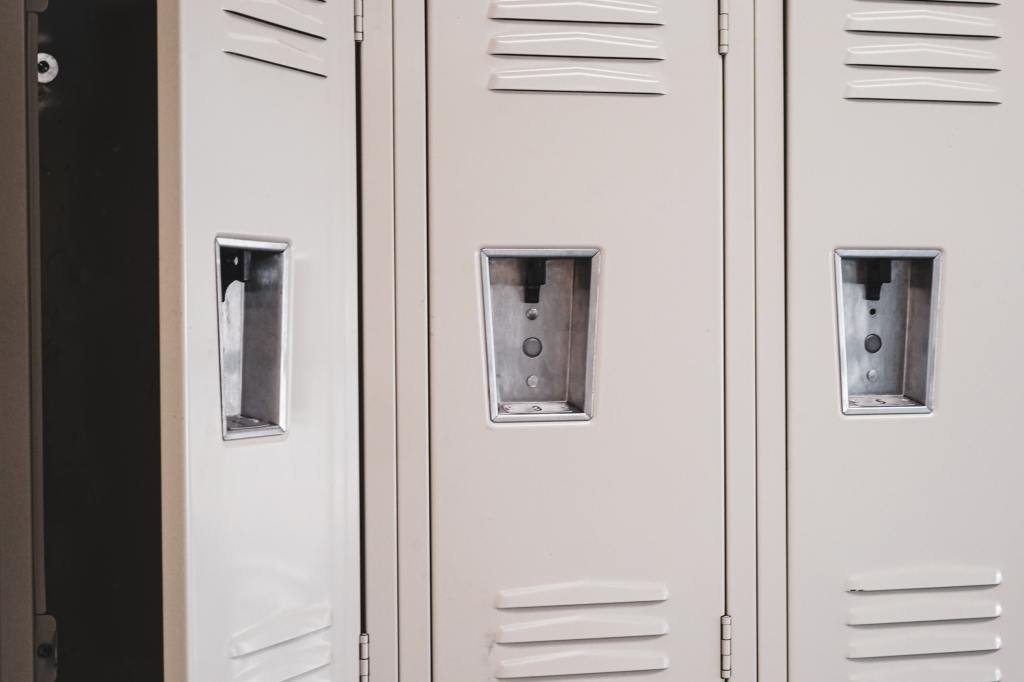
Greta smiled to herself as she hung her lab coat in her locker at the back of the clinic’s breakroom. They had done good work today. She had thought Mr. Sanburn was beyond help when she first saw his scans. Dr. Rudolph was a masterful memory surgeon though. The way he had rewired Mr. Sanburn’s brain still gave her chills of excitement. She took her overcoat from the hook inside the locker, donning it slowly as she reminisced.
She turned at the sound of the lounge door opening. Dr. Rudolph was moving towards his own locker. He looked tired. He caught her eye. “Long day,” he sighed.
“What you did for Mr. Sanburn today was just short of miraculous,” Greta said.
Dr. Rudolph smiled, then shrugged. “Yes. He was a difficult case. I just hope that it sticks.”
Greta frowned. “What do you mean?”
Dr. Rudolph regarded her with a tense stare, almost looking as if he were calculating the benefits of answering her. “Greta, this work we do…it’s rarely permanent.”
Greta felt her heart sink, her stomach knotting. “What do you mean?” she asked.
Dr. Rudolph was still staring at her, his filled with sadness. “It works for them for awhile,” he said, “but they always seem to need to come back eventually. For another treatment.”
Greta tried to swallow her shock. “Dr. Guldenshuh has never mentioned this.”
He shook his head, then rubbed a hand over his face. “No, I suppose she wouldn’t want anyone to know.”
Greta was frozen, thinking about the science she had learned here. “Why?”
“Why what?” Dr. Rudolph asked. He moved to his locker and stripped off his white lab coat.
“Why doesn’t it stick?” she asked.
Dr. Rudolph’s answer was slow in coming. “Because they don’t learn how to do it themselves.”
“Learn what?” she asked.
He turned to face her. His overcoat was draped over his arm. “When we fix a patient in this way, they never unlearn all the toxic thinking that got them into the mess they’re in when they come through the door.”
“Toxic thinking?” Greta blinked. “Most of our patients have trauma, Dr. Rudolph.”
“Yes, I know,” he said. He moved towards her slowly. “And if we were practicing cognitive therapy 50 years ago, we’d teach them how to break the hold that trauma has over them. But now, we simply take it away. They learn nothing from it and end up back in the clinic waiting room.”
She thought about what she had seen over the last year working with Dr. Guldenshuh and Dr. Rudolph. “But…I’ve not seen any repeat patients.”
Dr. Rudolph smiled slowly, sadly. “This is the third time we’ve treated Mr. Sanburn within the last 8 years.”
All of Greta’s thoughts failed to coalesce as words. She simply nodded and looked away.
“But,” Dr. Rudolph continued. She looked back at him. “This is still better.”
“Is it?” she asked. “If it isn’t permanent, why?”
“Instant relief,” Dr. Rudolph said.
Greta nodded, understanding. “I see,” she whispered. She moved past him, feeling heavy. “Goodnight, Dr. Rudolph.”
“See you tomorrow!” he said brightly, as if he had not just shattered the pedestal on which he had stood.
Greta exited the clinic, moving out into the cold night, wondering how long it would be before Mr. Sanburn was back on the procedure table.
Greta watched on the tablet screen as the tell-tale confusion moved through Sanburn’s mind, for just a moment, before he fell into a deep sleep. She was familiar with the map of neurons before her. She had been present at all the sessions with Sanburn’s psychologist as he recounted his memories of his brother. Andre, she thought, her eye scanning the image for all the places in Sanburn’s brain the name had lit like Christmas. She could imagine the dead man’s face, the sight of him stepping from the curb, the sound of metal crashing against his flesh.
“Ready, Dr. Rudolph,” Greta announced calmly, wiping her mind clear of the memories that were not her own. “I have his charts.”
Dr. Rudolph’s tablet was connected to the port on Sanburn’s skull with a long white cord. “Share the map of his trauma first. I need a reminder.”
Greta tapped the arrow icon on her screen. “Sending now.”
Dr. Rudolph pulled a pair of rimless glasses from the pocket of his white coat, placing them gently on his nose as he gazed at the screen in front of him. “MmmHmmm,” he murmured. “Okay. Yes, I see,” to said to himself. “Okay, Greta, let me have the map of his hopes.”
“His hopes for this procedure, doctor?” she asked.
“Oh. No, his hopes for the future with the brother,” he clarified.
Greta swiped through the maps available in Sanburn’s file. “Sending now,” she said.
The maps of hopes always made Greta sad. Sanburn had wanted Andre to be an uncle. He had wanted to take a trip to British Columbia with him. He had been looking forward to a summer of baseball games, bratwurst and beers together. He had hoped to be Andre’s best man. The wedding had just been scheduled the week before he was killed. The hope maps held thousands of tiny deaths, each one a reminder that life owed them nothing.
“This one is…full,” Dr. Rudolph commented, speaking to the image on his tablet.
The image of Sanburn’s brain was dotted with millions of bright lights. “Andre was very important to him, Dr. Rudolph. They were as close as two men can be, I think.”
Dr. Rudolph regarded her over the lenses of his glasses, his eyes like a bore. “Greta, I’ve warned you about letting the death of their dreams impact you like this.” He removed the glasses from his face, and stared at her with compassion in his expression. “Do you need another session with Dr. Guldenshuh?”
Dr. Guldenshuh was the psychologist. She was available on demand for any clinic employee. This job had emotional hazards. “No, doctor. I’m alright today.”
Dr. Rudolph nodded firmly, placing his glasses back on the bridge of his nose and turning his attention to the brain image. “Okay, then. I see where we need to do some work,” he said.
As he typed away on the screen, Greta flipped to the application that was monitoring Sanburn’s vitals. Heart rate was steady, slow. Breathing was the same. She watched the lines flickering with each beat, each breath. She scrolled down the screen to his brain waves. Everything was perfect, the blue lines cresting in regular intervals. “He’s ready, doctor.”
Tap. Tap. Tap. Greta watched as Sanburn’s brain absorbed the incoming information, as the complex neurological patterns designed specifically for him based on his feelings of Andre reshaped how his neurons fired. The blues lines wiggled erratically, but steadied after a moment. Greta scrolled up to his other vitals. Heart rate was still stable. Breath was beautiful.
“He’s tolerating well, doctor,” Greta announced.
“Very good,” Dr. Sanburn said slowly, almost to himself. “Now, the map of what he hopes to feel afterward, please.”
This type of map was difficult to create. Sometimes, Dr. Guldenshuh had to resort to extreme measures, digging deep into memories to find ones that produced enough satisfaction, happiness and gratitude to burst through a patient’s crippling depression. Sanburn’s session had been among the longest Greta had seen. He had recounted endlessly to Dr. Guldenshuh about the times in life he had been happiest, most satisfied, safe, grateful, hopeful, joyful. His brain told the psychologist otherwise. Every memory had someone been connected to Andre, tainting the map they were trying to build. Dr. Guldenshuh pushed him to go further, deeper, until he hit on something that had few overlaps with his memories of his brother—walking to get an ice cream cone with his high school girlfriend over summer break.
Once that memory had been identified, they used it to create a new map for his neurons, one that would help him feel less of the pain of losing Andre, and more of the satisfied, happy feelings of those ice cream cone dates. The memories of Andre would become more like the memories of the ice cream. It had been painful work for Sanburn. Greta had several sessions with Dr. Guldenshuh after the fact to help her process the secondary trauma.
“Sending now, doctor,” Greta said, as she tapped the arrow on her screen.
The sing-song notes of Dr. Rudolph saying to himself MmmHmm as he reviewed the image lightened her mood. Dr. Rudolph had a passion for this work. For him, this was a regular day at the office, but he also recognized the weight his work could take from his patients. Greta smiled. Dr. Rudolph glanced at her, returned the smile shyly, and then went back to tapping on his tablet.
“I’m not sure I’m worth so much admiration,” Dr. Rudolph said, his tone light and full of whimsy. “I’m just a regular shmuck, you know. Just like everyone else.”
“I’m sure that’s true,” Greta joked.
He laughed. “How’s he looking, Greta?” he asked, turned the conversation back to Sanburn.
She pulled up his vitals again. “Everything is beautiful, doctor.”
“Alright, here we go,” Dr. Rudolph said. Greta watched Sanburn’s brain waves as the new pathways were loaded. “I’ll let you take over from here,” he said after a moment.
“Yes, doctor. I’ll let you know when he’s awake,” she said.
Dr. Rudolph set his tablet on the white cart with the other instruments. He took his glasses from his face, tucking them gently into the pocket of his coat. “Good work today, Greta,” he said to her.
She glanced up from her own tablet, smiling warmly at him. “Thank you, doctor.”
Dr. Rudolph nodded to her, then made his way slowly to the door. With a soft hush, the door slowly shut behind him. The latch clicked into place, like a period at the end of a story. When Sanburn woke, he would be different. He would be better.
A notification dinged from the tablet on the cart, signifying that the data had been transferred. She set her own tablet on the cart, then picked up the one running the upload application. She shut off the program. Then unplugged the cord from the port on Sanburn’s scalp. Carefully, she peeled the metal disks from his neck, wiping them clean before placing them onto a tray on the instrument cart.
She waited. She never knew how long it would take. Sometimes a patient fell into deep sleep, and it was best to let them wake naturally. It was never more than a few hours. Sometimes, their arousal was near instantaneous. She closed the open files on her tablet, exited the records database, and laid her own tablet on the cart as well. She checked Sanburn’s pulse manually and watched the rise and fall of his chest. His eyes began to flicker. She reached for the glass of water that sat on the instrument cart. They were always thirsty afterwards.
A whimpering sound escaped from Sanburn, and he swallowed loudly. He moaned, but he still did not open his eyes. Greta leaned forward, hovering over his face. “Mr. Sanburn?” she called softly. “Can you hear me, Mr. Sanburn?”
Slowly, he lifted his lids. His eyes were different, the fog of unhappiness no longer profound. She smiled, letting the warm glow of satisfaction fill her.
The room was bright. The clinical whiteness of it brought words like sterile and pristine to his mind. He squinted. The smooth walls blended into the tile floor almost seamlessly. In the center of the room was an exam table. White leather top. White paper liner. White plastic legs. White canvas pillow. Nothing else. No counters or cabinets or windows. No sink or trash bin or sharps disposal. He rubbed his hands over his arms, his nerves fraying.
“Lay down, Mr. Sanburn,” the nurse behind him said.
He turned to regard her, staring at her white smock, her white name tag with large black block letters. Greta. She held a tablet and was tapping away on the screen. It too was white. Everything was white. Sterile. Pristine.
Greta looked up from her screen. “Are you nervous?” she asked him.
He rubbed his hands over his arms again, swallowing hard. “I suppose I am.”
“I assure you, it doesn’t hurt. It’s like waking up from a dream. You feel bad now, but we make you feel good. And it happens gradually, so you don’t get any shock from it.” She sounded as if she was speaking to a child. He imagined that she wanted her smile to seem friendly, but it only seemed robotic. How many other people did she offer than smug look, which barely concealed the impatience he heard beneath her words?
“Okay,” he said, giving her a half smile. He turned back towards the exam table. “Um…Do I need to…to disrobe or anything?”
Behind him, Greta laughed softly. The laughter was like fresh dew. “No, no. That’s not necessary.”
Still, he hesitated.
“Are you having second thoughts, Mr. Sanburn?” Greta asked. She touched his shoulder. “There is still time to change your mind.”
Her touch was cold, like the room itself. He considered leaving. This procedure couldn’t be worse that what he was living now, though. Whatever they did to him, whatever they removed from him, it had to be better than living as he was. He couldn’t go on like this. “No, I haven’t changed my mind,” he said, though he sounded weak.
“Lay down, then,” Greta prompted, giving him a nudge forward with her icy hands.
He did as he was told, slowly climbing onto the table, the paper crinkling and crunching underneath his weight. He laid on his back, staring into the too white ceiling. He closed his eyes for a moment, shutting out the brightness.
“That’s good, Mr. Sanburn,” Greta said, as her fingernail clicked against the screen of the tablet. “Just relax. Keep your eyes closed and breath deeply. Dr. Rudolph will be in shortly.”
He kept his eyes closed. Greta’s shoes retreated from him, clicking on the tile all the way to the door. The door opened slowly, then softly closed. There was silence. He was alone with the still air and the noiseless, clinical, whiteness. He tried to do as Greta had directed, and take slow, deep, even breaths.
Before too long, the door opened, and different set of shoes clicked across the floor. “Hello, Mr. Sanburn,” a man greeted.
He opened his eyes. The man standing next to the table was also wearing white and carried a white tablet with him. The black letters on his white nametag read Dr. Winston Rudolf. He was smiling, a much warmer smile than Greta had worn. His hair was salted, and his face was just beginning to wrinkle. He had a day’s worth of growth on his face, but his upper lip was carpeted in a thick, dark mustache.
Sanburn tried to rise, propping himself up on his elbows, but Dr. Rudolph placed a hand on his shoulder, softly pressing him back into place. “No need to get up, Mr. Sanburn. This works best if you stay nice and relaxed.”
He let go of the breath he’d been holding, feeling his body relax as the air left his lungs. He closed his eyes. His heart slowed, as he’d come to expect from the practice sessions he’d done. He closed his eyes again. “Yes, you’re right. They reminded me of that when I arrived today.”
“We’ll just take everything nice and slow. Easy. Light,” Dr. Rudolph said. Sanburn heard the doctor tapping on the tablet. “Now, tell me why you’re here.”
“I don’t want to feel certain things inside me anymore,” he answered. His body was like jelly. He felt like he would melt off the table with his next exhalation. He had mastered the relaxation techniques they had taught him at previous appointments.
“Yes, and we can help you with that. I’m just going to hook a few things up now,” Dr. Rudolph said.
The door opened again, and the clicking of Greta’s heels echoed through the room again, but Sanburn didn’t care to open his eyes to regard her. He knew from the other sounds in the room that she had brought in a rolling cart. He imagined it was also made of shiny white plastic. He had practiced this tool, numerous times, until he could get through the placement of all the devices without his heart rate spiking. He felt well controlled. In fact, he felt almost like he wasn’t in the room at all.
“Now, Mr. Sanburn,” said Dr. Rudoph. “Tell me what is bothering you.”
The first instrument was placed on him. A round metal disk. It was cold against the skin of his neck. He felt hands on his neck, taping it in place. Soft hands. He imagined they belonged to Greta.
“I lost someone I care about,” Sanburn explained.
“How did you lose them?” Dr. Rudolph asked, typing on the tablet as Greta placed another metal disk, this one equally as cold, on the other side of his neck.
“He was killed in an accident,” Sanburn explained. “The train was running late, so we left the station, tried to hail a cab instead. He stepped off the curb.” His words were coming out too fast.
“Stay relaxed, Mr. Sanburn,” Dr. Rudolph instructed. “Take another deep breath like you practiced.”
Sanburn did, exhaling the guilt and the regret and the grief. He wiped his mind of pain, until all he had inside himself was a void. It lasted only a moment, but it was long enough for him to regain control.
“Good,” Dr. Rudolph said. He felt the doctor’s hands moving along his scalp—he knew it was the Dr. Rudolph this time because the hands were not as soft. “Now, tell me, when your brother died, what did it feel like?”
Sanburn could not speak for a moment. The pain had been crushing, but he knew to voice this would make his heart rate rise, would force him to go through another round of breathing exercises to control his body. He stayed smooth as glass by not speaking, not thinking.
“Mr. Sanburn?” the doctor prompted.
“It felt like losing a part of myself,” he whispered.
Dr. Rudolph found what he was looking for along Sanburn’s scalp—a port. He brushed the hair sway from it. Greta’s heels clicked, and she picked up something from the tray. “Exhale one more time for me, Mr. Sanburn,” Dr. Rudolph said.
Sanburn followed the instructions, feeling his heart slow to the point that he felt that he could fall asleep. Something clicked into the port in his scalp.
“You might feel dizzy for a moment, but it will pass,” Dr. Rudolph said. Someone flipped a switch.
Sanburn was not prepared for the disorientation that overpowered him, but Dr. Rudolph had not lied. It lasted only a few seconds before he lost all conscious thought.
Out the window the sun was rising fast. Edward had not sat at the piano all night. He had not been home all night. How long until the monsters chased him down and found him here in bed with Elisabeth, fresh and lively and unwilling to do their bidding? How long until they exterminated him? He knew they were coming. He anticipated it with every breath. They might come as soon as the next second, as late as next year. One way or another though, the inevitability was that they would come. And he would not live past that day.
“Edward?” he heard, as he came out of his thoughts. Elisabeth had awakened beside him and was stirring in her half-sleep
“I’m here,” he answered softly.
She opened her eyes as she sat halfway up in the bed, leaning herself on his body. “Are they coming?”
He shook his head in response. “I don’t know, but as long as we have our own minds there’s nothing they can do to us.” She leaned forward and they shared a kiss. It was the kiss of death. He knew it and he did not care. The rain beat on the roof peacefully, lulling them back into a reverie of long ago before the hardships, before the war, before the monsters had conquered the earth, before the city was in ruins, before the beach had been swallowed. They rested, not caring to worry. They talk softly in the small bed and laughed as they remembered out of their childhood some fond memories—an ice cream cone, roller skates, a bicycle. Such things were not common anymore.
But Edward was troubled, and Elisabeth sense it as the day fully dawned. The rain continued through the sunrise and through the lunch hour and into the dusk when the pounding in his head returned, more severe and malicious than ever before. He remembered the beach, remembered the tin can, remembered the lights and the greasy eyes of the monster who had scooped him up. He remembered the piano. The words echoed it in his brain. We will let you keep your name.
“What’s the matter, Edward?” Elisabeth asked, while he rubbed his temples in a frantic effort to assuage the pain. The pounding racked his brain, made his teeth ache, and strained his eyes. Nothing he did could ameliorate the intensity of the throbbing. He heard the whirring voices in his mind. He saw the oily-eyed creatures speaking to him, telling him he must play.
“The monsters,” he groaned. “Elisabeth, I think the monsters are coming.”
She looked at him, concerned. She touched his forehead. It was soaked with sweat. Gazing into his eyes, she breathed harder and faster, clutching his hand as his eyes rolled back into his head. He was pale as death, as if his soul had left him. She shook him, attempting to pull him from his trance. “Edward!” she called, and then screamed when he did not respond. “Edward, wake up! Snap out of it!”
There was a knock at the wall of the apartment, and then the window went crashing around the room, smashed by the metal hand of a monster. Its whirring voice screeched through the tiny room. Naked, sweaty, and smeared with ash, Elisabeth jumped from the bed pulling Edward behind her as she made her way to the closet. She threw herself inside, dragged Edward in behind her and shut the door. She heard the monster smashing her bedroom apart. Edward groped in the darkness, grabbed hold of her hand.
“My head,” he moaned. “The monster is talking to me.”
“What is it saying?” Elisabeth asked frantically.
“Can’t run. You can’t escape.”
“Don’t listen to him, Edward,” she whispered in his ear, although it was difficult to keep her fear from contaminating her sentiment. It lumped in her throat and in her stomach it congealed like fat off bacon. “I know a way to the beach.”
Her words sparked interest in him. The beach had been his escape before and it had not worked. The beach was swallowed this year as it had been the year of the accident. If he went to the beach with Elisabeth, they would not have to suffer the consequences of their crimes. He reached out to her in the dark of the closet, felt her body next to him and knew there was no other way. They would go this day to the beach. They would escape the clutches of the monsters this day.
Elisabeth removed the panel of the wall in the closet and crawled into a small space between the walls of the complex buildings. Edward could not see where they were going but he followed Elisabeth by feeling for her feet in front of him. On and on they crawled in the dark of the crawl space until they came to a metal grate. The whir of the monster was far behind, yet they still heard the clinking of the mines, the tunnels were the monsters put their human slaves to work. Edward felt the pounding in his brain as he sat in silence, waiting for Elizabeth to pry the gate from the face of the building. She worked fervently, pulling and prying until at last the way was opened. Into the gray evening they went. The ash was falling as it did every evening, mixing with the soft rain before the two lay down on the ground to die.
Elisabeth grabbed his hand and led him out into the open. Edward feared for his life, glancing over his shoulder in nervousness as Elisabeth pulled him along. They ran down to the swallowed beach, the swollen sea, puffed up like a bee sting. The faster they ran the harder the pounding in Edward’s head became, until he could stand it no longer.
He fell on his knees in the sand, still clutching Elisabeth’s hand as if his life depended on it. He craved a cigarette. His mouth was dry and his throat ached and his brain beat with exhaustion.
“Edward they’re coming for us. We have to go.”
As if it had heard her speak, a monster burst from the apartments, running, clanking, all its metal joints creaking as it approached. Its voice was in Edwards head, pinging like a pinball. “Make the box sing for us! Make it sing!”
A new strength flared in him and he rose to his feet forced, his legs to pump, to carry him to the sea, the swallowed beach. All the way to the water’s edge he ran with Elisabeth, the monster chasing, calling, pinging in his head. But Edward was lost in a mad fury. I will not give in to them anymore. I will not play for them. I am through with pleasing them. They took Irene. They will not take me.
The ocean engulfed him as he fell into the waiting tide. To feel the soft caress of the waves once more was a joy, yet the shocking cold possessed him with a rush of adrenaline. He pushed himself to his physical limits to escape the greasy eyes of the monster. He stroked his arms, propelling himself through the murky waters. His heart beat rapidly and his chest and his breath came in short gasps and yet he pushed on into the open sea. Stopping short for only a moment, he turned to see Elisabeth in the water behind him, struggling to keep herself afloat.
“ Don’t slow down,” she choked out, as water and saliva flowed out of her mouth. Her lips were blue, her skin pale in the chill of the water. Standing on the beach was the monster who had chased them down, calling out and its eerie metal voice. It was calling the trash collecting machine.
His final moments around the corner, near his face, and he clutched Elizabeth close to him in the cold water. She found his eyes, and kissed him tenderly as the monster’s trash machine scooped them up and deposited them into the giant metal can. The water still rushed underneath them, the monster still stood on the swallowed beach, the ash still fell from the sky, but the lid came down over them, sealing them inside. They were left in the dark to suffocate together, defiant and naked.
In the din of the chaos, Edward heard the soft tinkering of the piano in his head. He saw his mother smile as she kissed his head once more. The music soothed him into sleep as he curled beside Elisabeth in the metallic prison. Her head was on his chest her hands were on his back and her heart was in his hands. He had never felt so alive with wonder and magic as he felt in those last moments. He smiled. The monsters could no longer touch him, abuse him, or manipulate him. He belonged to himself once more.
And no one would wonder of him when he was gone. The humans left could no longer wonder, for they had forgotten how. Edward smiled again in the hot dark of the can, as Elisabeth’s lips found his one last time—the kiss of death. Death herself pressed her lips to his, the frozen taste of her dying flesh lingering for only a moment as he closed his eyes.
Elisabeth was drenched in fear. She had not been out of the house that day, not since she had returned home from Edward’s apartment that morning. She had not accomplished anything that day—had not cleaned the house or made herself lunch or lit the candles when the sky began to grow dark. The ash falling out of the sky had seeped into her small room, had soaked into her skin as she had sat unmoving, barely conscious of her surroundings. Was Edward awake? She wondered. Would he be playing tonight?
She bit down on her nail in nervousness. All day she had waited for the monsters to drag her away, to whip her and force her to work in the mines. Were they looking for her? Had they even noticed she was gone? Elisabeth remembered the exterminations, the way the monsters had taken Adam from her as he screamed. What have happened to him after that? She thought of it often, Adam transformed into a giant piece of machinery, working day after day with rest, for the rest of his life, the subject to torture and mutilations. The guinea pig for all kinds of horrendous experimentation. Or had they simply killed him quickly and used his life energy to power their machines? Elisabeth was startled from the grim thoughts by a soft knock at her door.
The ash was still falling down around him as he stood on her front step waiting patiently for her to answer, if she was even there at all. The ash was soft but the thoughts that it brought to his mind were not. The ash was from the mines, the underground tunnels where all whom the monsters had enslaved to their drums beat the earth with their shovels and picks. He knew of the fires that burned in the earth to turn the steel into molten liquid, used to shape beams and poles, columns, and sheets of buildings. He also knew the monsters burned humans who had become less than exemplary in those fires. The apathy he had lived in for so long had made him forget all the stories of the tunnels Irene had shared with him. The piano had consumed him. No, he thought. The monsters had made the sweet voice of his piano consume him.
He felt the dull pounding in his head typical of this time of night. He knew now that it was the machines urging him to sit and play, to make the piano sing them to sleep, lull away the cares of the day. But this night, Edward was determined not to. He had no love for the monsters, the ones who had stolen away his family, his home ,his country. They had stolen Irene. They had taken away someone from Elizabeth as well. He had sensed it in her that morning when she stood before him, the soft gray of the morning shining through his windows. The soft gray of the evening was burning his soul with panick. He knocked again at her door fervently, desperately, harder than before. Maybe they had taken her away too. Maybe they knew he was standing outside her door.
Edward’s panic intensified. In his fear he heard himself yell for Elizabeth. He beat on the door with his fist, calling her, his patience gone, his mind reeling with the thoughts of what they would do to him if he did not hide from their greasy eyes.
“Elisabeth!” he called again
And by some miracle she opened the door and, without a word, pulled him inside
“Don’t speak,” Elisabeth whispered in the dark. The apartment was dark. The waning sun gave no light to the small room by the door. “I’ve waited for them,” she continued. “All day, I sat in the heat and the silence waiting for them to take me away. They didn’t come.” She drew in her breath unsteadily and gasped as she exhaled. Her hands found their way to his chest and she spread her palms over his bare skin. He was still in his underwear. He smelled like cigarettes, the tar and poison hung heavy on his lips as she pressed her face closer to him, whispering lower out of fear. “I don’t think they know.”
“If they haven’t realized your betrayal, they will surely realize mine,” he said anxiously.
“What?” she asked in a hush, pressing herself closer to his body. Ash was smeared on his arms and back his eyes were glossed with terror.
But he had not the heart to tell her his weary story. Instead, he put an arm around her waist drawing her closer allowing her femininity to soothe away his fears. The pounding in his brain subsided. Elisabeth lay her head lightly against him as Edward wrapped her in his other arm. They waited, swaying in the front room, dark and hot, sweat running down both of their faces. Would the monsters come? What would they do to them when they found them entangled such as this? It was a crime in their eyes, for an embrace could lead to organic sex, and that led to unregistered human young, who were not bred for top quality work in the tunnels.
Did Edward care anymore? Did Elisabeth? He touched the woman’s face and moved to kiss her as he had once kissed Irene. If the monsters found them together they would surely be killed and that was better than living in fear, wasn’t it? Surely it was. A fire of defiance burned suddenly in Edward and he kissed Elisabeth as if he had never kissed anyone else in his life. He moved with her down the hallway, took her into the dark bedroom. She stretched out on the bed, letting him lay down beside her, touch her, move with her. He felt her in his soul, in his brain, as he pushed hard against her in the dark. They were one, two lost pieces fit together. It did not matter what the monsters did to them once they realized what had happened this night.
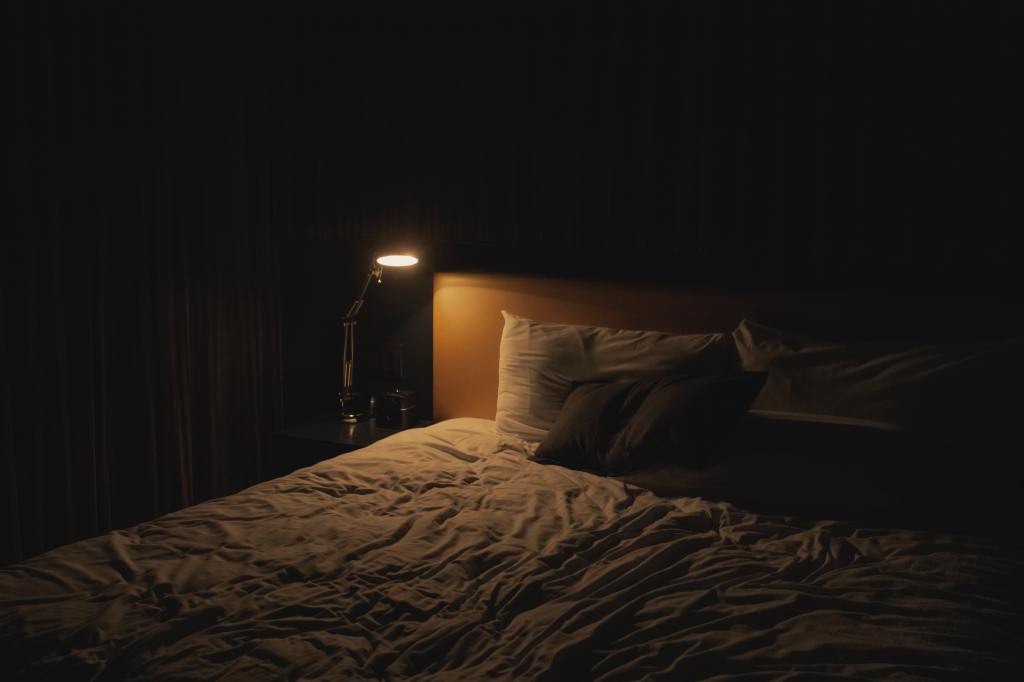
He lay in a trance, Elisabeth curled beside him, her head resting gently in the crook of his armpit. His desire was sated, and the weariness was overcoming him. He glanced longingly at the woman next to him, and rubbed her head, feeling the smooth length of her hair. She had met his every move, as if she were an extension of him. Elisabeth pressed against him in her sleep. She trailed her hand over him, lightly rubbing over his chest and down his stomach. He wondered if the monsters knew they were together. He wondered if they cared. He closed his eyes.
Edward was troubled. In his mind, he saw the great waters of the ocean, stretched out before him, an expanse of salt and death. He saw the swallowed beach, the gray morning mist mixing with the ash as the two fell out of the sky, dancing in dreary patterns before they lay down to die on the earth. It was that day again. He dreamed of it often, always the same, ending the same miserable way every time he slept with it in his mind.
That morning as the ash fell down and the rain came from the sky, Irene had left him alone in the apartment. There was no argument between them and he had not tired to stop her from going. There were times when he wished he had said something to her. Maybe then she would have stayed. But the monsters had called her, and who in all the world could resist their call?
She had said to him as she awoke that day, “I must leave you. I am never coming back.”
He swallowed hard, allowing her words to soak into his soul. “But I need you here with me, Irene.”
“My name is not Irene,” she replied stubbornly. There had been real tear in her eyes that day. Real human tears. Edward had not seen them since his mother had been exterminated, and then they had been his own.
He touched her face lovingly, in a vain hope to dissuade her from her decision. She stiffened under his fingertips, shuddered as he pressed his whole hand to her cheek. He knew she was too far from his reach. The monsters had called her. She was never coming back. So, he kissed her, softly and slowly, passionately, with all the love he had for her. Her lips were smoother under his, yet they quivered with hesitancy. She loved him not as she once had, for now she loved the monsters and their drums more.
He let her go out the door that morning, allowing her to walk right out of his life, down into the tunnels where the hum and the clank and the drone ever ceased. Edward was empty, consumed with an ache so great that he was not sure he could live under its weight. His only reason to live had walked out on him that morning, off into the mix of dust and mist falling from the sky, dancing drearily before it died on the earth. Irene had left him alone. Taking his hat, he made his way down to the beach.
It was in his dreams that he saw this beach now, the sea swelling up like a bee sting. The beach had been swallowed by the raging ocean that year, for the rain had come and poured out its sorrow for the world onto the coast. It was there, on that morning after Irene had walked away, that Edward walked out to sea.
The wind was high, moaning in the gray of the early morning as if the ghosts were abroad. Edward sat in the tide, inviting the ocean to wash him away, carry him far from the city and all the grief that had stricken him there. His mother was gone, Irene was gone, his county, his race all but gone and he wished with every atom of his structure that the roaring sea would swallow him the way it had swallowed the beach that year. It nearly did.
Edward was caught in the undertow, and at the moment, terror streaked through him. But he was drug under and held down by the water, its strong arms grasping his limbs with fists of iron. He flailed his arms and legs forcefully, desperately, attempting to break free of the confining prison that held him under the waves. His lungs burned for air. Edward thought of Irene, scrambling to live in case she changed her mind. If he died, she would have nothing to come back to if she escaped, if the monsters left, if the last humans won and drove them back into the far reaches of the universe from whence they had come. He needed to live for hope of victory to be thrive.
Miraculously, (and indeed it was a miracle), a hand pulled Edward from the water back into the life-giving air. He was lifted out of the sea and dropped into an open over-large metal can. He knew instantly a monster had captured him; one of the cleaning machines had found him flailing about in the water and deposited him into a can of trash like all the garbage found in the sea. He was alive! But now he had the problem of how to escape. A few minutes more and he would suffocate, for the great lid had already been snapped in place, sealing him into a metallic, lightless prison.
Edward lay in a daze, hours later, on his back in the center of a clean white table. He looked up into a shining light, so bright it stung his eyes with tears. Above his head, encircling, floating just inches from his face were the metal hands of the monsters, their claws waving dangerously, threatening to slice his flesh. The scene was lurid. The monsters seemed to notice every flinch he made, every fear burning in his brain. They knew his terror, were thriving off it. Edward heard one of them speaking, its metal voice pinging like a pinball inside his head.
“Don’t be afraid. We will not harm you friend,” it breathed, close to his face, its eyes wet with grease and oil. The face of the monster was smooth, shining like the sun underneath the lights. Its teeth clanged together, and Edward heard the whirring of its heartbeats inside its aluminum skin. The other monsters crowded around, drawing breaths of awe and wonder. He heard the ping of their voices but could not discern any words they spoke.
“You have something we need, Edward,” the monster hovering over his face said. This was the same monster who had spoken to Edward first. It was apparent that was the appointed leader of whatever operation they were carrying out. “Edward, tell us of the black wooden box with white teeth that sits silent in your living room.”
He was confused. The monster had used his human name. He didn’t know what to make of any of this. The question rolled threw him. “That is my great grandmother’s piano. I haven’t played it since I was small. Mother made me play it.”
“We want you to play it,” the greasy eyed animated hunk of metal creaked in its high pinging voice.
“What do you mean?” Edward asked, bewildered.
“The song that the box sings when you rest your hands in its mouth lulls our weary bodies. Please, will you make it sing for us?”
“I’m not sure I remember how…” Edward started to say, but he was rudely interrupted by a shrill whine from the monsters above him.
“You will make the box sing, or else we will send you to the mines, Edward,” the lead monster’s voice clanged in his ears. “You do not have a choice. We must hear the song of the box tonight, every night. Forever.”
The clanging, the pinging in his brain continued until he was scooped up into the hands of the greasy, oily-eyed conqueror. “Go Edward, and you may keep your name.”
And Edward found himself wandering alone beside the swollen ocean, the beach swallowed by the water, the mist and dust were still falling from the sky, and the sun was setting on the horizon. Where had he been? Why did he have this urge to play this great grandmother’s piano after all the years it had sat neglected in his living room? Edward did not know how the day had passed so quickly, but he knew he had to return home before the sun set, to make music.
When Edward awoke from the imagines of his past, the images of his accidental encounter with the machines who had enslaved him, the sun hung low. He rolled out of the bed, his head pounding with the whir of machines, mechanical voices spitting phrases at him in their pinging language. He was troubled. The accident was still fresh in his thoughts. He lit a cigarette, sucked on the end of it as if his life depended on it and wiped the sweat off his brow. He was not sure if he should sit at the piano this night. He realized now that he was just as brainwashed as the rest of humanity.
She looked out her window into the morning dust. She looked out the window every morning to watch the dust fall from the sky, silently, eerily, before she started her day. And every morning before she reported to the tunnels for work, she stopped outside Edward’s door, and pondered over his manner. He was a talented musician, and he was consumed with playing his piano. It seemed that it had kept him alive after the accident, that it was his one reason for continuing to live after what happened. She wondered why he only played when no one else could listen.
Well, she had listened many times. At dusk when she came home from the tunnels, she longed for the clock to tick away the hours until he sat down at the keys. She listened freely, she listened with longing in her heart to see the man who let an instrument sing the words his soul could not say. It was a rare gift to have talent such as his. Why did he hide it?
Every morning after she wondered this, she passed on, leaving him to sleep while she toiled for the monsters. They had taken her mind and her body, and most of her soul from her—except for this small part of her that made her curious about Edward. Maybe she was the only one left who wondered about Edward. In the beginning it had not been so. After the monsters had exterminated the ones who would not be useful, renamed people and put them to work, everyone had wondered why Edward stayed alone, played at night, loved the music as much as he did. But everyone soon had given their lives away to the ones who now ruled them, and in time, they no longer wondered. They had forgotten how.
She however, still held on to a bit of her humanity. She had not been turned into a machine by the monsters. She was not enslaved to their drums and their calls and their meaningless names, for she still had a human name. They had missed her somehow, on the day they had come and taken away the world. Her name was still Elisabeth.
Maybe her name was the reason why she still wondered. Maybe the reason she could stand in front of Edward’s door every morning and think of him, the strange man she had never met, was because she wasn’t part of their society. She worked under the monsters and reported for assignment, but they had no record of her existence at all. They had not changed her name, and they did not know that she was not one of them.
When she realized that, as she was standing before Edwards’ door that morning, the ash falling like rain around her, she decided that there was no point in continuing her life as if she was under their control. For the first time, she did not pass by the door and go to the tunnels where the monsters waited with their drums. She turned the knob on Edward’s door, hoping, praying that it would be unlocked. And it was.
Slowly, she entered the hot dark of the small apartment, much like her own. Same gray walls, same dampness, same dreariness resting on her spirit as she walked across the floor. It groaned under her weight, creaking and shifting as she continued along a path to the back bedroom. She assumed it Edward’s room. Her heart raced as she turned the knob. She heard the breathing coming from behind the thin wooden door.
Elisabeth stopped. Afraid to go on, she dropped her hand from the knob, and as silently as she could made her way back to the front of the apartment. She waited by the front door, her hand on the knob, her heart in her throat. I should leave, she thought. I should go to the tunnels and do what I do every day. There isn’t any reason why this should be different. It can be just like any other day.
She considered her own erratic thought. No, it cant. I’ve already changed on thing that happens everyd ay. I’m here and I’ve never been here before. That makes today different. It isn’t a regular day. I came in here to see Edward, and I should go back and see Edward, even if he does not see me.
Slowly, she took the hallway back to the bedroom where he lay asleep. The door was not fully shut as it had been before. She frowned in confusion. As she pushed the door open her eyes fell on an empty bed and then a raised window shade. The covers were rumpled, the carpet was stained, and Edward was nowhere to be seen.
“Who are you?” she heard a man say behind her.
She screamed and flipped around to face a man with a bit of beard on his chin, deep brown eyes, handsome but scabby and scrubby. There was pain in his face, it wore him away, making him seem tired and lonely.
“Are you Edward?” Elisabeth asked softly.
“Yes. Who are you?” he asked again.
“I’m Elisabeth, your neighbor. I came to see you,” she stammered.
“No one comes to see me. No one knows me.” He was agitated with her, and yet she detected that he was also flattered by her presence. She knew she was lovely, and she could see his appraisal of her in his eyes. They trailed slowly over her features, over her firm body, flowing black hair falling around her face, hot green eyes set into her skull, skin smooth and pale like milk.
He was surprised that anyone had come to see him. Even more surprised that this woman had lived next to him and he had never noticed her before. “Do I know you?” he asked.
“I don’t know you. I just live in the next apartment. I hear you play every night. I wanted to say hello.”
“What’s your name?” he asked, even though she had already told him.
“Elisabeth,” she repeated.
Her name sounded as a bell, ringing clean and crisp in the morning breeze. It called the weariness out of him, filled him with a great passion and warmth. “Elisabeth,” he echoed her. “They would’ve changed your name to Fictishmafec.” He smiled, recalling the girl who was now enslaved to the monsters and their drums. Her name had been the same as this woman’s. “Why were you allowed to keep you name?”
“I don’t know. I was missed. Skipped. They did not look at me and rename me. I was allowed to go on as who I always was.” She bit her lip and Edward realized that she was nervous. Of what? Of him? Certainly not. He of all people was not the one to be feared. He was the only one in the world that was like her, an unnamed citizen-slave. Why had he been allowed to keep his name? He wondered about that sometimes, but it didn’t seem to matter much. He wondered what it would be like to hold this woman, to touch her, to kiss her, to love her in the that was not common anymore. The machines had taken natural love away. They had taken Irene away. Maybe this was the woman could help him escape the torment of the drums in the deep places of the world where the monsters bred.
Elizabeth, though he did not know, was thinking the same thing. They were not the monster’s slaves. They were outside the society of monsters, they had been skipped. Missed and passed over. And now that they had found each other, they would no longer feel like outcasts. They could be like a braided cord. “All this time, you were right under my nose,” she said quietly. “Just next door.”
True compassion lit in her eyes as she gazed at him. Edward hadn’t seen that look in anyone’s eyes for more years that he could count. He was overwhelmed with a longing he had not experienced since the accident. He wanted to laugh and cry and hold her and push her away all in the same instant. He had finally found something that he needed, though it did not have a name, and he was terrified of losing it before he ever touched it. Was it love? It could have been, although this was unlike any love he had ever known. As a child he had loved his mother, but it had not felt like this. As a young man he had loved Irene, but never had it felt like this. This feeling wrenched his guts, twisted his heart, caused his brain to beat in time with this pulse. He trembled, as his soul seemed to mesh with Elisabeth’s though he dared not to touch her or look into her hot green eyes.
“Do you have to leave now?” Edward asked her after a long silence.
“No. I can stay forever,” she whispered. She nearly cringed at the words. Forever would not be long if they were discovered.
“What about the monsters? Won’t they know that you aren’t in the tunnels?”
“I have no name to them. I don’t exist. I never have to work in the tunnels again.” She was nervous. Edwards was biting his nail and popping his knuckles, smoothing his hair all because he didn’t know what else to do. She could tell he was worrying about something, remembering a time he did not want to remember. Or anticipating something horrible. She fed off his energy, feeling anxiety pressing against her chest.
In reality, Edward was only fidgeting out of nervousness. He had not seen a woman since Irene had left, since the accident had occurred. Irene had loved him until the very end, he was sure, and why she had chosen that day to go was still a mystery. Irene was what he had always called, her, but it was not her name. The monsters had renamed her Wegilina. He had never called her that. She had left because the monster’s drums were more important in her mind that their love. She had left that day, after the dust had fallen as it does every morning. It was the day the accident had happened.
“Edward?” Elisabeth responded to his concerned expression. “Have I said something wrong?”
He swallowed hard, expecting to rid himself of the cold lump in his throat. “No. I was only remembering.”
Elisabeth suspected she knew what was tearing him apart. He had loved before the monsters had taken that away from him. Surely there were many secrets in his soul that he could not share. There were no longer the right words to express such agony. All but a few had forgotten the language used to express one’s innermost feeling, one’s joys and pains. Even if Edward could say the right words, Elisabeth knew she would not be able to understand. She knew the pain her felt, though, for it was also in heart. Adam had been slaughtered in the exterminations. It had been long since she had thought of him. Her eyes grew moist as tears formed, rolled slowly down her face. Edward was surprised, when he looked at her again. Can she read my heart? He thought. I didn’t think anyone could anymore.
“Why cry, Elisabeth? It’s not wise.” He smiled at her reassuringly. Edward let out a sigh, a yawn and rubbed his tired, burning eyes. Elisabeth took note of it and prepared herself to leave the apartment.
“Rest. I did not intend to keep you,” she said politely as she moved way.
“Will I see you again?” Edward asked just as she walked past.
She turned, smiling brightly “Of course you will.” But in truth, she was not so sure of her words. Worry arose in her and bit at her brain like a mad dog. Will the monsters find me? Will they exterminate me the way they exterminated Adam? She left the hot dark of Edward’s hallway, left him standing in his underwear and returned to her own dwelling on the other side of his wall.
The house was hot, the air stifling and smokey from the candles that burned in every room. A draft blew up from under the door to the bathroom across the hall. He’d left the window open. He sat silently at the piano, feet bare, wearing only his underwear, smoking a cigarette. He waited for the clock to strike. He sat here every night waiting for the clock to strike. And as soon as the chimes rang, he played. He would play until the sun peered into his window the next morning.
It hadn’t always been like this. There were times he was sure that he had been normal—not nocturnal—and lived a normal life, but there had been an accident, and now, this was his life. Sitting up all night, every night, playing piano without pause. In fact, he vaguely remembered a time when he didn’t want to play piano at all, when his mother forced him to sit and practice until his back hurt from keeping proper posture. There had been days like that, but he wasn’t sure if they had been real, or if he had only imagined them, scenes taken from his nightmares.
He tapped his cigarette ashes off into the little glass tray sitting on the table beside him. He looked at the clock. In a few minutes, it would be time. The heat from the fires burning around his small apartment had made him unbelievably sweaty, but he wouldn’t unlight the candles until he went to sleep. He would not go to sleep until he saw the sun. The sun would not come until he had played the piano all night. He could not play until the clock chimed.
Popping his toes, he stretched. There was a dull pounding in his brain. It came to him every night just as the clock was about to chime. The clock would strike, he would go into a trance and pay the notes that were ingrained into him. All the old masters, like Beethoven and Mozart and the new writers like Gethben and Sultchuz, even musical pieces he has composed himself, would flow out of him, playing on the keys, lulling the neighbors into dreams. When he played, he was free from the life here in the city. He was unchained by his urban habitation. He wandered through ancient forests and over seas, under mountains beneath a blanket of bright stars.
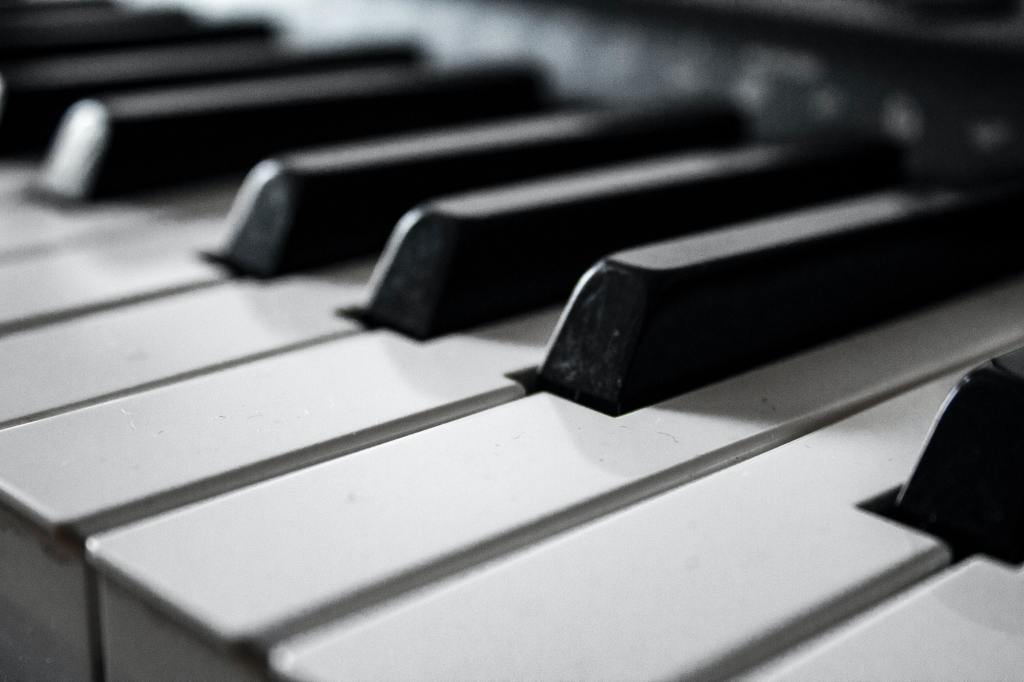
It was almost time. He put out his cigarette and prepared to play as he watched the clock’s hands come ever, ever closer to 9. He felt his hands begin to sweat as he rested his fingers on the ivory keys. Pianos keys were rarely made from ivory anymore. Actually, no pianos keys were made from real ivory. The elephant had died out long before he was born and the only ivory available now was produced in a lab. It was expensive, and companies that produced pianos—which, in fact, was only one company—used pristine, clinically white plastic instead. But he had received this piano from his great grandmother, who had died shortly after the turn of the century. It was old, older than his great-grandmother. After the accident, he had become obsessed with restoring it to its proper glory. He was proud to know that his piano’s keys were real ivory, from a long dead elephant that he had never seen.
The clock struck suddenly. As it chimed, he banged on the keys, then lightly played a much softer melody, and then a sad song, and then a ballad of spring. He felt the pounding in his head rest as he tinkered away at the piano.
The neighbors in their beds heard not a note at all, and those who were up late for a snack listened to the music respectfully. They had become accustomed to his nighttime playing, and frankly, it no longer bothered most of them. They all knew what had happened to poor Edward years ago when the waters had risen and the beach had been swallowed. He hadn’t been right since it happened. So, they let him sit in solitude and play his great-grandmother’s piano, with all the candles turned on in the middle of the night. As long as Edward didn’t knock over those candles and set the whole complex on fire, no one cared to bother him about his nocturnal preoccupation. After all, what would you expect from a man named after his mother’s mother’s great grandfather’s great uncle? With a name like Edward, who would be a normal human being?
Of course, before the war everyone had been named strange old names like Edward. The mayor’s name had been Bill, the pastor had been called Peter, the midwife’s name was Ruth. Edward’s neighbors had all had names like Susan and Lucy and Edmond. Edward’s wife has been named Irene. But no one would remember this once they were gone. There were no records of the names peoples had been called before the war. In fact, there was no record of the war. The war was only remembered by Edward, who now lived alone because of the accident.
It had been a freak accident, indeed. Edward often thought of it when he was alone, all the candles burning as he played his piano. When he played, and it was dark, and the world was asleep, there was nothing else to think of, since the accident was the reason he played. Before that day, his great-grandmother’s piano had sat untouched in the living room, covered in a thin layer of dust. He glanced at it once in a while, but never did he sit down at the bench and play the way he played now. If his mother could only see him! How proud she would be with his devotion. But his mother had passed during the war, before the accident. Her name had been Maria. Who knows what name the monsters would have given her, had she not died during their exterminations. Edward had known another Maria as well. She lived units over in his complex, but her name was now Gerara. In the monsters’ language it was a praise of beauty. But it was in no way as beautiful a name as Maria.
Edward remembered his mother, her gentle touch, her soft voice, her curling dark hair. Her face was always lean, her lips always pouty, and her eyes always thoughtful. During the war, they were seldom dry. She had cried nearly every night over the death of Edward’s father. Although he had perished years and years before in a country called Afghanistan, the war with the monsters reminded her of the war with the Afghans. As far as he knew, that country—as well as his own, the United States of America—had been broken apart and redivided into sections by the monsters.
He rarely thought of the monsters. There was no point. They had come, they had conquered the world through mass extermination, and now they ruled from their centralized brain located deep underground, where it was warm. The monsters thought the surface was unbearably cold. No human could go down into the earth, towards the core, where their city grew, for the heat would have burned them to ash. Despite their separation, the monsters still held humans in their grasp. For the most part, they looked after their well-being and he was not oppressed, so why would he complain?
In fact, it was the monsters who had led him to be what he was now. The monsters had made him into the drone that sat and played the piano every night until the sun rose over the horizon. Edward secretly admired the monsters, although he never had the courage to admit it aloud. Edward was the product of their experiments, a being that had been reformed into a worker for the good of the monsters. The music he played soothed their thoughts and worries. The notes vibrated down into the hive where they lived, while they relaxed after a long day of building. What they were building, no one ever knew, and where they were getting the supplies, no one dared to guess—thieving them from the humans was probably the answer. They could be heard in the daytime clanking and cracking and rumbling in the deep. When the night fell, they became strangely quiet as they became drunk from the music Edward played on his piano miles and miles above their heads.
Sweat dripped from his brow and he paused momentarily to wipe it away. The sky was progressively becoming lighter, a soft gray of morning that had come to mean it was time to rest. Slowly, he finished his musical selection and rose from the bench. He was drenched with sweat, tired with aches in his hands and legs. The fatigue penetrated to his bones. Around his apartment he went, blowing out the candles he had lit to set him in the right mood. He wiped his face with the towel hanging on the doorknob of his bedroom, pushed open the door and collapsed onto the bed, soft and wonderful under his body. Sleep came, uninterrupted by dreams.






 The Quick and the Dead