Everyone told me that there would be trouble if I went through with it, but I’m hopelessly optimistic that everyone will see my side of things, so I ignored them and forged ahead with my plans. Even so, I had to give myself a good talking to in the mirror on that morning I went to the bank; staring at myself and saying things like “You are capable” and “it won’t be a problem” and “he’s the best one for the job, and you know it. He knows it. Everyone knows it.” Except there was one person who didn’t know it, and who thought all of it might be a front for something that would never happen.
Nevertheless, as I found myself pulling into the parking lot of the bank on that chilly November afternoon, my spirits were high. Nothing had gone wrong—yet—and maybe it never would. Maybe everyone else was just blowing it out of proportion. Maybe, after we opened the business, she would see that it was just that—a business. Then she’d see that I was not a threat to her.
I was wrong, of course. But I’m getting ahead of myself.
Dickerson was already in the parking lot when I arrived. When I’d first met him—freshman orientation weekend—he had introduced himself with only his surname. His given name was Barret, but he said that was one of those stupid names that rich people named their kids, so he didn’t use it. His dad was an investor, and his mom was an attorney, and they did a lot of things that were beyond me, a barely middle-class woman, who had to rely on scholarships to even attend business school. Dickerson was standing outside of his car waiting for me, his ears turned deep red from the biting wind. Why he wasn’t wearing a hat was also beyond me. Didn’t want to mess up his hair, I suppose. His hair was meticulously combed, as always, just like his sharply ironed and pressed clothes. His beard on the other hand looked like it belonged on a dwarf. He had oiled it up real nicely today. I could smell it as soon as I opened my car door.
“Hey Nattie,” he said. My name is Nat. No one, not even my mom, ever called me Nattie. Except him. He had done it since that first conversation we’d had 8 years ago on the steps of the co-ed dorm, when the administration had let us have an hour of free time before mandating that we should all be in bed. Why he gave me a pet name before we’d even become friends was just a quirk of his personality. I liked it.
His wife did not.
“Hey,” I greeted, practically running past him to get to the bank. “Why are you standing out here? It’s freezing!”
He laughed. Sometimes that was all the answer he had for his behavior.
He trotted ahead of me, opening the door, and giving me one of his wide, endearing smiles. That face was why everyone loved him. He sure knew how to turn up the charm. He made everyone feel as if they were the whole world to him. All the time. It was his special gift.
I went through the door of the bank, waited for him in the outer atrium, and then went through the inner doors a step ahead of him. We glanced around the lobby, and one of the tellers caught my eye, and called out, “I can get you over here!”
Dickerson went ahead of me and I could hear the smile in his words as he said, “We have a meeting with the loan officer.”
“Of course!” I noticed how she looked at the pair of us, like we didn’t belong together. I flashed a smile at her and it did the trick to pull her away from her internal wonderings. “Let me take you to him.”
She let us into the west side of the building, to a man sitting behind an enormous wooden desk. It was littered with picture frames, awards, notebooks, assorted boxes, a half-eaten sandwich still in the restaurant wrapping, several unused napkins, a calculator, and right in the middle of the desk, an enormous calendar that had at least four items scratched out onto every single day, including weekends. “Heath? These people are here for you,” the teller said, before she melted away.
Heath stood and stuck his hand out towards me first. “Heath Arnold. Pleased to meet you,” he said as he shook each of our hands in turn.
“Nat Coleman,” I said. “And this is my business partner, Barret Dickerson.”
“Oh! You’re here to close on the loan…for the bar?” he asked.
“That’s right,” I said, swelling with pride. This was my dream, and Dickerson was just along for the ride. Because he was the best accountant I knew. I trusted him to do it right, because he not only cared about doing it right, he cared about me. He was the perfect person for the job.
When I first approached him about it, I had asked him to meet me for coffee. At the time he was working for his dad, but he was craving to get out from under his thumb. Mr. Dickerson, as I always thought of him, because he’d never told me to address him by his first name, was the kind of man who continually second-guessed everyone around him. Not because he was the smartest person in the room, but because he thought he was the smartest in the room.
“I want to open a bar,” I said, blowing on the hot coffee in my mug.
“A bar?” Dickerson asked, smiling brightly. He stroked his beard. “And let me guess…You need me to manage the books for you.”
“Can’t think of anyone else I’ve rather have. Plus, I figured you were tired of your old man.”
He laughed, sparkling. “Am I ever.” He took a sip from his own mug. “And let me guess again…you want Dad to invest in it?”
“God, no,” I said, shuddering at the thought.
“Good idea. He would want to stick his nose too far into our affairs.”
In hindsight, I’d have rather had Dickerson’s father poking around. But I’m getting ahead of myself again.
“So what do you think?’ I asked.
He mulled it over for a minute or two. “Ellie might not like it,” he said.
It was the only hesitation I had. Ellie, his wife, would be jealous over a pretty waitress, or someone’s mother who smiled too much, or an overly friendly dog. They had only had about ten people at their wedding since she didn’t like or trust anyone. Sometimes it seemed like she didn’t like or trust Dickerson either. “It’d be a lot of late nights,” I said.
He nodded. “Doesn’t bother me.”
It would be a lot of late nights with me. I should have said it, but I didn’t. I didn’t want to ruin it.
And I wanted to believe that it wouldn’t matter, even as the thought that it would not be crawled through me.
Heath handed us paper after paper after paper to sign. Dickerson smiled the whole time. “Alright,” he said, when we’d reached the bottom of the stack. “You’re all set.”
Dickerson and I looked at each other. We were practically kids, who barely knew what they were doing, trying to do something exciting together. “Yeah, we are,” I agreed. I felt ready to take on anything, and I knew that I had the right person at my side to make it happen.
I just wish Ellie would have seen it that way too.
They were not called for another three days. The letter Frank was given was thick. As he tucked it into his pocket, he heard whispers in an unknown tongue. Corrupted. He tried not to think of it, but that only made me think of the words that had been seared onto his eyelids. Daag glash naag abaat glaag blan. He shivered as he tucked the letter into his breast pocket.
Fred drove. About halfway into their journey, Frank took the letter from his pocket, and read. The paper did not have words; it was more like impressions. It was like falling down a darkened hole. He lost himself for a moment, and blinked back the darkness only to find that it had infected him. He could hear the voice of someone else in his head. The letter lay in his lap. He refolded it, hid it in his pocket. Frank looked up and Fred, who was singularly focused on driving. His helmet and goggles hid all his expressions, and masked all his thoughts. Frank closed his eyes, seeing the strange the words.
At the shack, they did not find Madame Joile. Her encampment looked to have been abandoned for years. She had left paper and pencil though, as well as an oil lamp, with a bit of oil in it. Everything was covered in dust, as if she had never been there at all.
“What do you think happened to her?” Frank asked.
Fred trailed a finger through the dust on the desk. “I don’t know, but I don’t like this at all.”
Frank could feel that slow creeping darkness sliding through him. He tasted it, the smell of it filled his nose. “Corruption,” he said. His voice was like sandpaper.
Fred glanced at him, the concern plain in his eyes. “What did you do?” he asked.
“I read the letter,” Frank said. He was bubbling, like a boiling pot. His whole being felt like water dripping through rocks. “I couldn’t help it.”
“Let’s get out of here,” Fred said, reaching for his arm. He pulled him towards the door, but Frank’s feet grew heavy. Fred’s eyes were wild with confusion, with fear that he was barely containing. Then Frank felt the presence around him. The klumskaag. What had Reiner said? It had been trying to call him. It lived here and it wanted him here too. He thought back to Madame Joile’s skeletal smile, trying to remember what she had said. She would ascend. That’s it. Frank laughed to himself, aloud, and Fred dropped his arm in horror. The klumskaag was helping them; that’s what Reiner thought. It was helping them ascend.
“Go, Fred,” Frank said. He hesitated. “Go home.”
“Frank!” Fred tried to argue, but Frank hushed him.
“Don’t you want to go home?” he asked.
Fred backed away from him, the fear beading on his forehead, and then he ran towards the motorbike. Frank watched him speed away, the dust cloud of the raid rising behind the vehicle. Frank watched for a long time, until the dust was gone from the air, and the night had settled over him. Then he shut the door of the shack and sat down at the desk.
Frank handed the letter with the strange markings to the captain once they got back to the camp. He tucked it into a folder without comment, then shooed him away, as he waited to the collect the next letter from the next soldier. Frank moved off slowly, wondering about what he had seen. He could still make out the markings if he closed his eyes. They still didn’t make any sense, but if he tried hard enough, he could see how all the markings were connected. Maybe there was an order to it after all.
Frank and Fred stood in line in the mess hall, waiting for their stewed potatoes and beans, or whatever other meager meal was being dished out today. The hall seemed emptier than it had the first week. Frank looked around, studying the face. Several notable people were missing tonight. He nudged Fred. “Hey,” he whispered, and Fred dipped his face closer to him. “What happened to everyone else?”
Fred looked around the mess hall too. The wooden walls and dark floor seemed to swallow all the light that came in through the windows. Frank scratched his head, wondering why it felt dark, even though the sun was still out. Chatter was sparse tonight. An uneasy nervousness buzzed in the air.
“Did Jack and Peter go out today?” Fred asked, still eyeing the room.
They had almost made it to the front of the line, where a man everyone called Kitchen Joe was dishing out the stew. “I think so,” Frank said.
“Where are they?” Fred asked.
As soon as he asked, their friend stumbled into the mess hall, looking haggard, like the dead. Harry was with them, and he too looked almost gray with fatigue. Or fear. Or something else, Frank thought, the idea sliding up from the dark parts of his heart. Something other, like the script.
They found each other at the table. “You look bad,” Frank said to Harry.
“I think I’m sick,” he said.
“Go to the medic,” Fred offered. He chewed on a potato.
“No, I think I’m sick in my mind,” Harry said.
Fred stopped eating, looking hard at Harry from across the table. “So, go to the medic,” he said again.
But Harry didn’t go to the medic. He went outside in the middle of that night and he never came back.
It was another five days of waiting before they were given a letter to take to Madame Joile. This time Frank drove the motorbike. Fred carried the letter, and argued with Madame Joile, who looked older than the last time they had seen her by several decades. Her smile was almost skeletal as she handed them the reply they had forced from her. Fred tucked it into his breast pocket without even glancing down at the paper.
“We are nearly completed,” Madame Joile said. “That is my final reply. I will not be hear when you return.”
“Why? Where are you going?” Frank asked.
Fred nudged him hard. Maybe he shouldn’t have asked.
“Why do you ask? You want to go with me?” she said. Her lips peeled back into an awkward grin. There were too many teeth.
“No,” he said, even though yes was the first word that came to mind.
“You can learn how to ascend if you follow the maps through the tree,” Madame Joile said.
“What?” Frank asked. His chest felt tight with anticipation. He swallowed the lump growing in his throat.
“No thanks,” Fred said, steering him away from the woman, who stood in front of the shack watching them go. He could feel her eyes on him, like twin beacons of fire at his back.
“You drive,” he said to Fred, as he climbed into the sidecar. “Let me carry the reply.”
“Why?” Fred asked, looking hard at him, all but saying that was a terrible idea.
“Because…I’ve already seen it, and this way, you won’t be tempted to look…”
“I don’t want to look,” Fred said.
Frank’s hands shook as he thought about the script in the letter he had opened the previous week, and the letter that was in Fred’s pocket. “You don’t?” he asked.
Fred looked at him as if he was out of his mind. “No,” he said with disgust. “Why would I?” Frank didn’t have an answer, and Fred continued to stare at him, his expression morphing to one of concern. “You shouldn’t either,” he said.
“Why?” Frank asked, though he knew why, and now it was beginning to make sense why they had needed so many messengers.
“Don’t you want to go home?” Fred asked.
He nodded. He did. He wanted to go home more than anything. But whatever had taken hold of Harry, of the others who had gone missing, he suspected was already rooted in him. “I shouldn’t have looked at the script,” he said.
“Nope,” Fred said. He started the bike, and rolled off down the road, away from Madame Joile and her strange, other-worldly smile.
Peter had not come back with Jack. Frank, Fred and Jack all stood around the burn barrel that night, silent to their companions, through Frank was internally screaming. The markings he had seen where still on the backs of his eye lids. When he looked, he could almost read them now, but he didn’t understand the language. It wasn’t French or German. It didn’t sound like Russian or Polish. He wondered if it was an invented language, something the army created just to send letter back and forth to informants. He watched the fire, closing his eyes for just a minute, to get another glimpse, another taste. Daag glash naag abaat glaag blan. He didn’t understand what it meant but it felt wonderful sliding around his mind.
“We followed a girl into the house,” Jack said. “The one that looked wrong, like a rotten apple in a bag of perfectly crisp ones.”
“I don’t want to know,” Fred said. He stomped out his cigarette and walked away without another word.
Jack looked at Frank, and Frank could almost hear a whisper in the air, the words in his mind on the wind. “Tell me about her,” he said to his companion.
Jack scrubbed a hand through his hair, scratched the back of his head before he launched into the tale. “She was gaunt, and looked sickly, but in a sort of nice kind of way, you know? I followed her up those stairs ‘cause I thought…well you know, a girl invites you inside and you think…you know? So I went, but Peter was ahead of me, and he seemed crazed over her.” Jack’s eyes had grown wide. “And he said he’d go first and then I could go in after he was done, but he never came out. Something just…I don’t know, I think I came to my senses, and I remembered I was supposed to wait five minutes and then leave.”
“Was her smile all wrong? Too many teeth? Too big for her face?” Frank asked. His mouth had gone dry and his fingers tingled. He wiped the sweat from his face.
“What do you think she is?” Jack asked.
“Klumskaag,” he said, the word coming to his lips without a thought.
“What is that?” Jack said, his voice shaking. “German?”
But Frank didn’t know, so he just shook his head.
A crunch behind them alerted them to the presence of someone in the shadows. “Reeves,” the voice said, using Frank’s last name.
“Sir?” he asked, turning towards the voice, which he was pretty sure was the German captain. He had learned his name was Reiner.
“Come with me,” he said.
He took a long, desperate look at Jack before peeling away. Jack couldn’t save him from whatever it was he had gotten mixed up in. He turned from the light of the fire, and followed Reiner across the green behind the barracks, to the building where the officers worked. Reiner said nothing until they had moved all the way into the building, and the door was shut behind them. There was an oil lamp on a desk. Reiner sat at the desk and pointed to the chair on the opposite side. “Sit,” he said.
He sank slowly into the chair, waiting for revelation, for reprimand, for release. He wasn’t sure. He fidgeted nervously as Reiner folded his hands in front of him, elbows resting on the desktop. The captain stared at him for what felt like half the night. Then he cleared his throat and asked, “How did you know about the klumskaag?”
“What?” he asked, surprised by the question. He tried to think of anything to say that wasn’t the truth—that he had no idea how he knew about the klumskaag, whatever that was. “I…well, I think…I don’t…”
“Did you read it in a letter?” Reiner asked.
“No,” Frank said forcefully. He was sweating under Reiner’s stare.
“But you read other things in the letter?” Reiner asked.
His mouth worked against his will. “Daag glash naag abaat glaag blan” he said mechanically.
Reiner nodded. “Yes, that’s what I thought.”
“What does it mean?” Frank asked.
“It means the klumskaag is trying to find you,” he said.
“What is the klumskaag?” Frank said, his anxiety rising. His heart was racing like he was climbing a hill with a full kit strapped to his back.
“We don’t know,” Reiner said. “That’s what we’re trying to find out.” He stood and moved across the room, to another desk, where he picked up a piece of paper. He turned slowly, held it out for Frank to take.
Frank hesitated, but then, snatched up the paper, reading through it as rapidly as his eyes could move. He inhaled sharply when he had finished. “So that’s why we’re all here? That’s what we’re doing?”
Reiner nodded. “We’re messengers to the Others,” he said.
“But…why?” Frank asked, the word burning on his tongue.
“Don’t you want the war to end, Reeves? Don’t you want to go home?” Reiner asked, folding his arms over himself.
Frank suddenly wanted to go home more than he had ever wanted anything in his life. “Yes, of course I want to go home.”
Reiner seemed pleased. “Then let the klumskaag have you. It is trying to help us.”
“Why would it want to help us?”
Reiner shrugged. “We are also trying to discover why that is.”
Did he have a choice? “What are people like Madame Joile?” he asked. Reiner raised an eyebrow, and he elaborated. “What is she?”
“Corrupted,” Reiner said.
The answer satisfied him for the moment. He imagined how many others there were in the world—people who used to be people, but were now something else. “So what do you want me to do now?”
“Now you will write messages,” Reiner said. He took a fresh sheet of paper from the desk, and handed it to him. From the desk drawer, he fished out a pencil. He sat, then passed the pencil over to Frank.
“What messages?” Frank asked.
“Any message that you think will help us solve this puzzle,” Reiner said.
Frank looked down at the sheet of paper in his hand, laid it on the desk gently. ‘I don’t know if I should,” he said.
Reiner leaned forward in the chair. “This is why you were brought here. You are a messenger now,” Reiner said. “Most will only deliver the messages, and return the replies. But some of you will write the messages.”
Reiner had a desperate expression, as if his future depended on Frank picking up that pencil. Frank wondered how Reiner got to be a captain of the French army, managing an American encampment. None of this made any sense. “Can you write to the klumskaag?” he asked. “Does it speak with you?”
Reiner smiled. “No,” he said.
So they were being used. They’d been drawn into a war that wasn’t their own, to fight a fiend they couldn’t see so that the French could protect what men they had left. And they’d drawn this defected German into the picture as well, and he seemed happy enough that he wasn’t the one risking his neck. “I’m not doing it,” Frank said.
Reiner raised his eyebrow, then thought to himself before pointing to the door. “Then you’re free to go.”
The words crawled through his head again—those odd words that didn’t mean anything, and yet held all the answers he had ever searched for. “That’s it?” he asked, skeptical.
“That’s it,” Reiner said. “You can go. Next time I need a messenger, you and Kilpatrick and go back out on your motorbike.”
It was too easy. It unsettled him. “Okay,” he said. He stood, watching Reiner suspiciously. He looked expectant, but he didn’t say anything. He didn’t even rise from his chair.
“Okay,” Frank said again, before he began moving to the door. He paused, looked over his shoulder at the captain. He was calm, waiting patiently for an exit, or an argument. Frank shook his head in bafflement. He yanked open the door and left the building.
Harry was eating in silence that evening while the others chatted idly about the things they had seen that day while delivering letters. No one had believed Frank when he told the story about the woman eating his letter, until Fred piped in that he had seen it too. Peter and Jack had gone somewhere called Aubigny-en-Artois, which Jack had pronounced very poorly.
“Our delivery was in an actual town,” Jack said, speaking of the events of the day. “It had a church in the center, and a main road that went past shops, though most of ‘em were closed. And I saw moms walking ‘round with their kids, almost like there wasn’t a war going on at all.” He paused, then shook away a thought, or a memory, with a way of his head. “Anyway, we roll up to this townhouse…I guess that’s what it was. Looks real old and run down, not at all like the other building on the street. They’d all been painted recently I think. Can you imagine painting the town when there’s a war in your backyard?”
Peter laughed, as Jack rambled on about the experience. Frank and Fred both listened too, but Frank’s eyes kept sliding over to Harry. He wasn’t eating anything now, and he had a terrible look about him, like he hadn’t slept in days.
“Hey, Harry, you alright?” Frank asked, interrupting Jack’s story about some young woman he’d chatted with on the way out of Aubigny-en-Artois.
The table went quiet as everyone turned their attention to Harry. He had his head in his hands, staring straight down into his soul bowl.
“Come on, man,” Peter said, slapping him on the shoulder. “Was it that bad?”
Harry dropped his hands from his face. “Bill didn’t come back with me,” he said.
Fred leaned forward. “What do you mean?”
“You know how they told us to leave if the letter carrier was gone for more than 5 minutes?” he asked. They all nodded. The captains in charge of this unit had been very clear about this direction. 5 minutes, that’s it. Wait any longer and you might be dead too. “Well,” Harry said, letting the story hang unfinished. They were all smart enough to fill in the details.
“Where did you go?” Fred asked.
“Well it wasn’t a row of sheds like where they sent you, but it wasn’t much better,” Harry said. “We could tell that it used to be…community of some sort. There were actual houses there, maybe 12 or so, packed not too tight, but still close enough that it seemed like it was a village. There was a huge crater just on the outskirts of what I’d say was the village boundary. Big hole in the ground. Couldn’t see the bottom of it as we drove by.”
The men all looked around the table at each other, each wondering if they should ask a question or let Harry continue in his own time. The dining hall was emptying out. Mess was almost over, and they had to be in their bunks in one hour. An hour didn’t feel like enough time to talk about everything Frank wanted to talk about.
“Anyway, we went to the house. They said it would be marked with a red circle on the door. Bill knocked, and somebody answered, and next thing I know Bill is walking into the house. I waited 5 minutes, and then…” He was choking on the words. “I left him,” he said. “I left him behind.”
Frank could see the guilt was eating Harry alive. “Hey, Harry, man, you don’t know what happened. For all we know, he’s with some nice family getting a home cooked meal.”
Harry’s eyes were hard. “Now you know just as well as I, that isn’t true,” he said. “And I left him there, to face whatever it was alone.”
“You followed orders,” Fred said.
“Doesn’t mean it was the right thing,” Harry said, clearly on the verge of a breakdown. He scrubbed a hand through his hair, and looked away from the other men at the table with him.
“You’re right,” Frank said. “But, it’s the reason you’re alive right now.”
Harry got up from the table, leaving the mess hall without another word, his soup uneaten.
There was no assignment the next day for Frank and Fred, so they hung around the barracks, and the village where they had been built. There was a tiny church, and what Frank thought of a park near the center of the village. There were a few women and kids there that day. None wanted to chat. They all kept their eyes averted, downcast. Frank smoked about half of his cigarettes, thinking about home and his mom. Fred didn’t say much at all, but he was good company. They wandered back to the barracks, looking for lunch, when the sun rose high. Bread, butter and beans. He couldn’t complain. It was better than 8 hours in a sidecar.
The next day there was no assignment. And the day after that they did a whole lot of nothing too. But on the fourth morning as they were standing in queue, the captain handed Frank a letter, tri-folded and stamped with wax just like the other one had been. This captain was someone he hadn’t seen before. He was tall and looked distinctly unhappy.
“Get a reply from Madame Joile this time,” he said. His accent was different than the other French captains. He could never remember any of their names. They didn’t all look the same, but they all sounded the same. Except this one. He spoke English like he was shooting a machine gun.
“I was hoping we wouldn’t have to go back to her,” Frank said, not sure why he had let it slip.
The captain stared at him, scowling fiercely. Frank felt like a puppy about to be scolded. “Madame Joile is doing important reconnaissance,” he said.
“Yessir!” Frank said, saluting robotically before stepping out of line with the letter, Fred on his heels. When they were far enough away from the officer, Frank leaned his head towards his companion. “What’s with that guy?” he asked.
“He sounds like a German,” Fred said. Fred was smart like that. He had taught school or something. Or maybe he’d just been to school. Frank couldn’t remember.
“A German!” Frank whispered in disgust, nearly scandalized. “What’s he doing here?! Did he defect?”
“Beats me,” Fred said.
They made the drive again, nearly four hours stuffed into the side car, slipping past wastes and pastures and those funny, cold places that felt like death. Back to the little hill with the five sheds. One of them had lost a door since the last time they’d come. When Fred killed the engine on the bike, Madame Joile burst from the house, running towards them with frantically wild eyes. She took the letter from Frank before he could get himself up out of the sidecar. She turned her back to them, and began pacing as she read. Her cap was gone, and her whitening hair was in disarray. They waited.
Madame Joile turned around, and wet her lips before she said very smoothly, as if she hadn’t been frazzled at all. “No reply today.” Then she began to tear the letter.
“Oh, no, we need to take a reply today,” Frank said. He was out of the sidecar now, and Fred had hopped off the bike as well. They stood side by side, and he assumed the most threatening posture he could.
Madame Joile stuffed parts of the letter into her mouth. “No reply,” she said around the paper.
Frank drew his pistol and pointed it at her. The fear was getting ahead of him. He tried to settle himself as Madame Joile drew a pistol of her own. They stood there, a game of chicken that neither one would win. Frank swallowed his nerves. His hand was shaking. “We need a reply,” he said.
Madame Joile swallowed the lump of letter shreds in her mouth. “Fine,” she said. “Come here.”
She returned her pistol to its harness and stomped back across the short yard to the shed. Frank looked at Fred, and then they both slowly followed, keeping their distance. Madame Joile huffed her way into the shed, but neither entered with her. For one, it was too small for all three of them. For another, Frank had an itching sensation crawling up his back that she was dangerous. He thought about Bill disappearing into the house where Harry had driven him. He didn’t even step up to the door. Fred hung back even further than that. They could hear her in the shed, shuffling around, scratching out a reply, folding paper. When she emerged from the darkened structure, she pressed the note into Frank’s hand. She was like ice, too hard and too cold.
“Your reply,” she said huffily. Then she returned to the shed and slammed the door.
The letter was not sealed. Frank’s curiosity overcame him and he unfolded the letter. The script was like nothing he had ever seen, all scratched out without any apparent order. Was it even an alphabet? Was it a map? Was it a joke? He passed the letter to Fred, but he turned his head, averting his eyes.
“I don’t want to see,” he said.
Frank knew that Fred had better sense than him, and he regretted looking at the paper. He refolded it and put it in his breast pocket. The markings were on the backs of his eyelids when he blinked, like when you stare at a light too long. He rubbed his eyes, trying to rid himself of the view of them.
“Let’s get out of here,” Fred said, dragging him back to the motorbike.
They went out in pairs the next day. One was the driver, the other was the carrier. The letters were hand written, tri-folded then sealed shut with wax. They looked like something from a by-gone time. Peter went with Jack, hopping into the sidecar of the motorcycle before Jack sped off down the dirt road that led away from the town and the barracks. They didn’t know where Frank and Jack were headed. They had been instructed to tell no one. Harry had gone with another guy named Bill who they had met on the boat over. He was a nice fella, one of those classically handsome American guys that could turn the head of any woman on the street. The French girls they’d seen in town had all noticed him first, whispering behind their hands and giggled the way women do, pointing to him sitting at the bar as if no one could see what they were doing. Bill was an alright guy, Frank though, but he was only here because he’d been too stupid to get into law school. He had to do something to make his dad proud.
That left Frank to go with Fred, and Fred wanted to drive. Frank had wanted to drive too, but he lost the staring match that Fred started when he said so. Frank just sighed instead and hunkered down in the sidecar, feeling like a tag along, or a sister, as he folded his arms across his chest. Fred handed him the letter. He resisted snatching it and stuffing it into his breast pocket. Instead, Frank soothed his blistering pride by pulling his cap down over his eyes, pretending to need a nap, even though it was 8 in the morning. Fred kicked the motorcycle into gear and they were off down the dirt road.
They couldn’t talk on the drive, the machine was too noisy, and the wind stole any of the words he would have said. Frank watched the countryside roll along in the distance. There were whole sections that look burnt to a crisp, pocked with muddy pits and fallen trees and crisscrossing wires. Then there were other patches which looked untouched. Sometimes they passed a house or a farm. Not a single one of them looked inhabited. Perhaps the people who lived there were just good at hiding. He couldn’t imagine living this close to some of the terrain he’d seen. What had these people had to endure?
There were other places that he couldn’t quite describe, places that gave him unspeakable chills in his blood, places that didn’t feel like they were part of the whole. He’d heard about these places, the places where the horrors spilled through. If the stories were true, that is. Frank wasn’t sure, but he could imagine why someone would invent a story about those places even if it wasn’t. It was like walking through a ghost, like trespassing into a tomb. The whole sky seemed to darkened when they came upon one, and the menacing feeling seems to lift like a cloud as soon as they passed through. That made him think about the book of Exodus, and he nearly laughed, thinking how proud his mom would be that he’d been thinking of the Bible. But that cloud that descended in the Bible was holy. These places, whatever they were, were the opposite.
They drove until the sun was sailing directly above them, to a little encampment at the base of a hill. The hill had single tree left standing on it. There were at least 5 stumps that he counted around the tree, the trunks of in splinters all down the hillside. There were five buildings here, shoddy, looking as if they’d blow over in a stiff breeze. As they pulled up, and Fred killed the motor of the bike, a door opened on one of the buildings. A women in French uniform dress emerged, shielding her eyes from the sunlight.
“Hello?” she called, her accent heavy.
Frank slowly rose from the seat, legs stiff, taking care with climbing out onto the gravel. “Madame Joile?” he asked. He held up the letter so she could see.
She came forward, and he was surprised to see how old she was. She walked with a stiff leg, as if she couldn’t quite bend her knee. Under her cap he could see that her hair was starting to gray. She was wrinkled all around her eyes and the lines around her mouth were deepening into grooves. “Americans?” she asked. Frank nodded, stretching out his arm, the letter dangling from his fingers.
She snatched up the paper, tearing open the seal. Her eyes sped back and forth across the page. She nodded, closing her eyes in what looked like pain when she came to the end of the message. She began tearing the paper into tiny pieces and then she ate it.
She ate it.
Frank stared at her, not believing his own eyes, as she balled each strip in her first and stuffed it into her mouth. His mouth was hanging open by the time she was finished. She wiped her eyes with the heel of her hand, and laughed at his expression of horror. “We need to be sure,” she said.
“Sure of what?” Frank croaked.
“No one else reads them,” she said. Then brushed her hands on her uniform and waved them away. “No message to return today,” she said. Then she turned around and marched back to the run-down shed from which she had emerged.
Frank turned his eyes to Fred, who was clicking his tongue against his teeth, staring after the French woman with narrowed eyes. He slid his eyes over to his companion when he noticed him staring. “You wanna drive back?” he asked.
Frank waved the question away, and sunk down into the side car. They’d spent half a day to deliver a letter to a woman who had eaten it and then sent them away as if they were annoying kids on her lawn. What kind of farcical, mind-numbingly banal assignment had they been seated with? He pulled his cap down over his eyes as Frank drove. This time, he did take a nap.
The Messengers is a piece of fiction set in the world of Never Going Home, the flagship TTRPG of Wet Ink Games about eldrich horrors in the trenches of the first World War. I have the honor of being the fiction writer for the game line and the forthcoming campaign books allowed me to write more narrative fiction. This story will appear in supplemental materials after the books are released.
They stood in a circle around the fire that burned in the barrel behind the barracks. It was not a nice evening—nippy, he thought, like winter just couldn’t let go—which made him think of his mom, back home in Ohio. She would be wondering where he was, and looking for a letter in the mail. He’d sent one a few days ago, letting her know he had arrived safely, with a slew of other men from American, on the shores of France. From the docks along that northern coast they’d gone inland, not quite as far as the front lines that crisscrossed Europe. He was glad they’d never make it to those trenches. Nope, not this battalion. They were brought over for something else entirely.
He took a swig from the bottle that the other doughboys were passing around. One of them declined. He was a quiet fella from somewhere in east Michigan named Jack. Then there was Harry, he was from Ohio too, and Peter. He’d come from Pennsylvania. And the last man standing around the barrel that night was Fred. He was from Indiana. They’d only met earlier that day, but the five had taken a liking to each other fast, which is why they were all standing around the meager fire that burned, smoking cigarettes while their toes froze in the not quite spring weather.
“I think I’ve glad to be on this assignment, Frank,” Jack said. “I know I signed up to help end this mess, but I was afraid I’d end up in one of those trenches.”
He spit in the dirt. “I heard they aren’t even fighting in the trenches anymore. There’s nothing left of Belgium. There’s not much left of France.”
“Except this place,” Peter said. The bottle had passed to him, and he knocked it back, gritting his teeth at the end of the swig. He passed the bottle.
“I wondered about that,” Jack said. “These barracks seem new, don’t they? Why are they building new barracks just for Americans?”
“You want to be in a mud hole like the French?” Harry asked.
“No!” Jack said. The end of his cigarette glowed orange as he took a drag, like a setting sun all to himself. The fire lit his features, a lurid sight, before the hastening evening obscured him in darkness again. “This assignment though,” he said.
Sometime did feel off about it, if he was honest with himself. Delivering messages by hand. They were going to be gloried mail carriers. They’d been told it was to prevent the information from falling into the wrong hands. But the messages were going to other encampments in France; who on this side of the front would intercept them for harm? Did the Germans have double agents? Was someone being double-crossed?
“What about it?” Peter asked.
“I don’t know,” Jack said. Now he had the bottle. “It just seems like they could…use a telegram I guess.”
“Anyone could be listening on the wires,” Fred said. It was the first time he had spoken since they lit the fire.
“Don’t they know how to send messages in code?” Jack argued.
Fred smiled to himself, dark humor floating from him. “You haven’t heard what happened to the coders?” he asked.
Now Frank was on alert. He and the other four men leaned in. Fred cleared his throat, his eyes drifting to each other pair of eyes in the circle before he said, “Something got them.” His voice was a velvet whisper. “They all went mad.”
The fire popped and Frank jumped, then tried to disguise it with a stretch and a cough.
“What do you mean, they went mad?” Peter asked.
Fred just laughed, this time heartily. All the mystery and gloom was gone from him. “I don’t know,” he said. “I just heard some guys talking about it on the boat over here. You know, telling tall tales, is all.”
“You think?” Frank asked. “I mean, they French broads we met in the last town—they were talking some weird things. Monsters and magic, and…what did they say, Jack? Faeries?”
“Yes,” Jack said, nearly rolling his eyes. “Faeries,” he said mockingly, then laughed.
“The only monsters over here are the Germans, man,” Peter said. “And there’s nothing killing men in the trenches but Germans.”
“Well,” Frank said, watching the hot coals in the barrel. “I guess it’s good that we volunteered for duty then. Can’t win a war if you got no men.” His words felt hollow, and he could see from the faces of his companions that they had fallen flat. They had all wanted to come here, to serve. But now that they were here…
“It’s not like I thought it would be,” said Jack. He drank from the bottle.
“What were you expecting, a vacation?” Harry teased.
Jack just shook his head, shrugged his shoulders, passed the bottle.
“I tell you what I was expecting,” Harry said. “I was expecting to be met by some French men, eh?” He gestured around their camp. “Instead, they stuck us here in these brand new barracks, and tell us we’re gonna be delivering messages. There’s about a hundred of here, you know. How many messengers do they need?”
“We go in pairs,” Fred said. “Safer that way.”
“I still say something is off about this,” Jack said.
And Frank could feel it too, but he couldn’t put his finger on it.
Astrid watched from the shadows near the house as her father and Sigmund stacked the wood for the bonfire. Aelric’s chain flashed in the fire light of the torch she held. Ljót was at his side, her arms snaked around his waist. Astrid smiled to herself. It was a good match. He would be happy with her. She watched the dancing and the fiddling from the darkness, just like when her eldest brother was chained, and just like that night, she also watched her cousin Lodvik peel away from the festivities. She moved behind him, quiet as the night, catching him just as he was stepping into the lane at the front of the farmhouse.
“Going back to your woman?” she asked. Eylaug had delivered the twin girls. They were not thriving. Hrist had mixed several medicines for them, but nothing seemed to help. Eylaug did not have enough milk.
Lodvik spun on his heel, his surprise at being addressed evident on his face. But he frowned when he saw it was her. She felt her frown deepening too. “I don’t know. It’s not like I want to be there either,” he said.
“Why has she not chained you?” Astrid asked.
Lodvik looked at her like he couldn’t believe that she didn’t know the answer already. “Don’t you witches know everything?”
She had decided not to correct anyone when they called her witch. They would call her one behind her back anyway. “Because you didn’t give her boys?”
He shrugged. “It is not a happy match, Astrid. I do not care.”
She let her revulsion settle before she spoke again. “You should have come to me first Lodvik.”
“I know,” Lodvik said.
“Remember that, cousin,” she said, “And next time, trust me.”
He looked at his feet, his expression darkening. She nearly choked on the shame he felt. “I will trust you, Astrid,” he managed to say.
In the distance, she could feel Edda, full of power, full of love for Hrothgar. Astrid wondered if the other Bairns could feel her love for her brothers and her cousins through the wild magic. It had never occurred to her to ask until she had felt Edda’s love sliding towards her on the waves of the power.
She turned her attention back to Lodvik. “Ask Helga to help Eylaug,” she said.
He sneered, but at her stern frown, he softened. “Will it help?”
Astrid laughed. “Did you not know that Helga nurses babies for women who have trouble?”
Lodvik’s jaw dropped. “She does?!”
Astrid nodded. “Strip away all the wild magic, Lodvik, and we are just ordinary women,” she said.
“Ordinary women,” he echoed. Then he laughed. “Goodnight, Astrid,” he said.
She watched him walk down the hill, his form melding into the night. But the fear he had felt just a moment before was gone. It had been replaced with hope. It called back to her as he moved away. She smiled to herself and went back to Aelric’s celebration.
She knew it was a dream when she saw the Skuld smile—a pretty smile, not her typical sad, boney smile, stiff and sugared with regret. No, this smile she was given was one of pride, without any accompanying guilt or grief. A warm smile. A smile that illuminated all her dark places.
“You did it, Astrid,” she said, her voice singing like the rain.
Astrid was at complete peace, drifting like a hawk on the breeze. “I did?” she asked.
“Of course you did,” the Skuld said. Now she sounded watery, and the smile wavered before the woods around them went dark.
The voice, the spirit, that had been calling her sounded clear. Protect the boys!
“Protect the boys, Astrid,” the Skuld said, her smile now just a flash in the dark.
Astrid woke in a cold sweat, her heart racing. Spirit dreams did not typically come to her, but how could it have been anything else? She steadied her breathing, pressing her hand to her chest, tuning to the rhythm inside her. Thud-thud. Thud-thud. Thud-thud. It slowed as she exhaled, a long release. She let the tension flow from her body. She opened her eyes, and shivered in the morning air.
Protect the boys. She wondered how.
There was a knock at her door. “Astrid?” Sigmund called from the other side.
“Come,” she said. She had slept in her dress, too tired to remove it. She swung her feet to the floor.
Sigmund opened the door slowly, peering in through the crack before he opened it fully. “We heard you calling,” he said.
“I was asleep,” she explained. She had a habit of talking in her sleep. The whole house was used to it.
Sigmund nodded, though his forehead was creased in worry. “You sounded…” He searched for words. “You sounded afraid, Astrid.”
She wrestled with how much to tell him, but in the end decided she couldn’t tell him any of it. She didn’t understand what was happening herself. She didn’t think she could explain it to anyone else. “I’m fine, Sigmund. Just a bad dream.”
He didn’t move. He didn’t nod. He shut her door, sealing them inside and came to sit on the bed next to her. He offered his hand to her, and she took it, though she frowned in suspicion before she did. They sat together in silence for a moment before he said, “You said you were almost carried off?”
“Oh,” she said, trying to dismiss any of his concern with a slight laugh. “Yes, I…we did a hard task, and it…well, I wasn’t carried off.” She smiled. “Still here for you to worry over,” she said. She squeezed his hand.
But Sigmund was not smiling, nor was he charmed by her dismissal of the situation’s seriousness. “What were you doing?” he asked. “You’ve never come home looking like that.”
She stiffened. “What do you know about Lodvik and Eylaug?” she asked.
Now he stiffened, and pulled his hand away from hers, rubbing his palms down his pantlegs. “Aelric said he put a babe in her belly.” His eyes met hers, looking for confirmation. “It’s true?” he asked.
“You know the house where they say this wild magic lives?” He nodded. “We took Eylaug there yesterday, and we…looked inside her. At the babies.”
“Babies?” Sigmund repeated, his face dropping in surprise.
She nodded. “Girls.” Astrid sighed, and rubbed her forehead, feeling emptied of all her strength. “I almost was carried away looking at girls.” She could not keep the sneer from crawling across her face.
Sigmund seemed to shrink away from her. “I did not know you could do such a thing,” he said, awe and terror mixed up in his words.
“It’s not worth it to try,” Astrid said. “It took all five of us, and what did we gain from it?” She scoffed, then closed her eyes, centering herself so her anger would not catch up to her. “We leveled the house,” she said.
“You what?” Sigmund asked, breathy with disbelief.
“To prevent stories from spreading,” she said. “That place will not help us make more boys, Sigmund. It was a false hope.”
He swallowed down a question that was on his lips, taking a moment to think before he spoke. “Is there any real hope, Astrid?”
The spirits chattered. She closed her eyes, listening to the arguing. One of the voices was chanting softly to her. Edda. It’s Edda.
She smiled to herself before opening her eyes. “There is real hope, Sigmund,” she said, allowing a slight smile to part her lips. The spirits chattered around her. Protect the boys! She listened to the call, thinking of her white stone. She closed her eyes, meditating on the words, drowning in the arguing of the spirits. Someone was screaming, long, devastated, agonized screams of terror. Who are you? She asked into the misty realm where the spirits dwelled. The screaming stopped, then the voice repeated the familiar instructions. Protect the boys! The same voice?
Astrid opened her eyes, and her brother was eyeing her cautiously. “What do you know Astrid?” he asked softly.
The wild magic was not for him, and she was always careful not to reveal what had been revealed to her. Unless he asked for a reading, she would not tell him what she suspected. “I know many things that I would not know without the spirits to tell me,” she said, ignoring his question by giving him an indirect answer.
Sigmund sighed. “Astrid…” he began, but she turned her face away from him, distracted by Sif’s swirling power. She was far away, accompanied by a deep groaning that sounded like the earth swallowing her. Astrid concentrated, pulled towards the power, towards the emotions that were not her own. She stood, hair prickling on the back of her neck.
“What is it?” Sigmund asked, standing as quickly as she had.
She shook her head, then, forgetting Sigmund, allowed herself to be hooked by the call, pulled out of the house and down the street towards whatever trouble had enclosed around Sif.
The streets were empty, which Astrid thought was unusual. She felt an unnatural sensation in the air as she passed the houses, moving towards the center of Soledge. She moved with purpose, slowly, feeling each of Sif’s threads growing taut with tension. Astrid paused momentarily as she passed the apothecary. She could feel the girl, Edda, slippery with love for her man, bouncing from uncertainty to clarity. She lingered too long. Edda reached out, felt her presence. Astrid melted away quickly, not wanting a distraction.
But a distraction found her anyway. At the end of the lane, just as the dirt road disappeared into the grass and old rock that led to the edge of the woods, Aelric was standing with his hands on his hips. He looked stormy, his face overcast with fatigue and fear. Fear. There was always fear.
“What are you doing?” she asked her brother, approaching at a snail’s pace.
Aelric grimaced, rubbing a hand over his mouth to wipe away the expression. “I was…” His eyes shifted away from her. “Astrid, can you…” Whatever it was, he didn’t want to say it. She could feel Sif in the woods, filling with wild magic. The groaning she had heard she now recognized as Aelric’s fears. She stepped nearer to him, closed her palms over his arms. Her touch drew his gaze back to her.
“Aelric,” she said tenderly, soft as air. “What are you doing out here?”
“I couldn’t sleep—listening to Sigmund and Magnhild…” He seemed embarrassed, but she nodded to indicate he didn’t need to explain any further. “I feel sick, Astrid,” he confessed as he brought his face closer to hers. “Like a future is coming for me that I don’t want.”
Lodvik had also expressed this fear—the fear that his life would be chosen for him, without his say. “What do you want, Aelric?” she asked.
“I want to be rid of my fear,” he said. He dropped his eyes, frowning. “I don’t want to be a tool, to used by the spirits and women just to get what they want.”
Astrid remembered the feelings of fear that had taken her when the spirits first began to call her. “I know what you mean,” she said.
Aelric grew angrier, which surprised her. She withdrew her touch, as he spun away, pacing back and forth before her with his hand to his temple. He was thinking furiously, his emotions spinning in a chaotic swirl. She sucked in her breath, resisting the dizziness they brought.
“You don’t know, Astrid!” he yelled, though he didn’t look at her. “You and the other witches think you know, but you don’t know anything!”
For once she didn’t correct him about his choice of descriptor for her and her sisters. “What do you want, Aelric?” she asked again.
He stopped pacing, and looked at her hard, his eyes a sharpened blade of fear. “Sigmund told me to have you read the runes,” he said, deflating as the words left him.
“Is that what you want?” she asked tenderly, reaching for him again.
He pulled his hands away so she couldn’t touch him. “It doesn’t matter what men want, Astrid.”
The words pierced her, brought a flood of tears to her eyes. “There is one who will be called to make it better for you,” she confessed, surprised at the free flowing admission.
He frowned, but his anger cooled. “Who?” She should not have told him anything at all, so she kept her mouth shut. He scoffed, and waved a hand between them, dismissing the conversation. “It doesn’t matter,” he said.
Astrid could feel Sif moving towards them. “Do you want me to the read the runes for you?” she asked.
“And what would you ask?” Aelric said.
She shrugged. “I’ll ask whatever you want to know,” she said.
He considered her for so long that she felt she would grow roots. “Okay,” he finally said, the word a sigh of resignation. “Ask if my sister can find me someone who won’t care so much about what’s between a baby’s legs.”
She swallowed her surprise, blinking back any questions that might have crept into her eyes. She nodded, then retrieved the runes stones from her pouch. She called the wild magic, let it slide through her, twirl around her. She felt warm in its smooth embrace. It filled her, and her she knew the moment that her hair and eyes lost all color, because Aelric took a step back from her. She raised one of the blank white stones to her lips, kissing the smooth surface. She cast the stones to the ground.
The woman. The river. The roots. The grain. She listened to the chatter of the spirits. She knows the land…she farms the lands…she will take him…his chain will be light…She smiled. She did not know the woman well, but a smile crept over her face at the imagined pairing.
“Well?” Aelric asked, his tone a mix of curiosity and suspicion.
“Ljót,” Astrid said, the name sliding easily off her tongue.
Aelric raised an eyebrow. “Why her?”
“Boys and girls both can tend to farms?” she offered.
Her brother nodded, thinking it over. “The runes don’t lie?” he asked, uncertainty creeping into his voice.
Astrid nodded. “If it’s in the runes, it’s true,” she said, repeating the often cited reason for why one should believe the message from a reading.
Aelric was about to ask her another question when Astrid’s attention was drawn to Sif coming out of the woods behind him. Her brother noticed, and sucked in his breath when he saw the other Bairn. “I’ll see you at home,” he said, as he almost ran from the scene. Astrid watched Sif’s approach. She was ecstatic with power—too much, Astrid thought. She looked unearthly, like the Skuld.
“Sif,” Astrid called, reaching out her hands to her sister.
Sif released some of the wild magic. Her eyes were wild with delight. “She’s ready,” she whispered, her face close to Astrid’s.
“Protect the boys,” Astrid whispered compulsively. Sif did not seem to understand what she meant. Astrid didn’t know why she had said it. It had come out of her almost on its own. “I’ll go with you,” she said.
Sif led the way.
The man, Hrothgar, was leaving the house as Sif and Astrid approached. She could feel Freya moving towards them. Hrothgar paused on the doorstep, scowling in their direction. He hadn’t yet shut the door. “Are you here for me?” he called. Fear. Astrid could taste it in the air.
Sif shook her head. “Edda,” she said.
She appeared in the doorway as if summoned. Astrid noticed her unkempt hair, the way her clothes seemed to move on their own. She was holding wild magic, but she likely was not aware that’s what she did. “What do you want?” she asked. She sounded like thorns, like a crashing stone from the cliff, like ice.
“You,” Sif said.
Freya was behind her, and Astrid took a step to the side to let her slide between her sisters. Freya too was delighted. The threads of wild magic linking them passed her emotions to Astrid. Sif ran her tongue over her bottom lip, and Freya pressed a hand to her chest, stilling her heart. Astrid let the heightened emotions of the moment carry her forward. She took one step, but paused as she watched Edda and Hrothgar draw away from her.
“You’ve heard the spirits,” she said.
Hrothgar whirled around, staring at his woman with confusion and panic. Astrid tasted the salt of his dread. “Have you?” he asked.
Edda’s eyes beaded with tears. She nodded. “I don’t want to…” she began.
“You cannot say no,” Freya said. She took a step forward. “It takes more than a man to keep you from the spirits.”
Hrothgar blazed with anger. He shouted at Freya. “Why can’t you just leave us alone? Call someone else!” The echo of his bellows filled the corridor.
“We don’t choose. The spirits choose,” Astrid said calmly. She took another step forward. Hrothgar recoiled further, nearly retreating into the house.
“Choose someone else,” he said.
But from over his shoulder, Edda caught her eye. She was swirling with anticipation, with curiosity, with fear. They were always afraid. “We’ll teach you. You will be safe,” Astrid said.
Edda looked almost willing, but then frowned, and clutched Hrothgar’s arm. “Not if I lose Hrothgar,” she said. “Nothing is worth that.”
“He’s a man, Edda,” Sif said, laughing. “He’s only good for one thing.”
Astrid knew it was the wrong thing to say before Sif even finished. “Go away,” Edda said. “Leave us alone!”
“The spirits will keep calling you,” Freya said. “And we will keep waiting for you.”
Hrothgar pushed Edda back into the house, shutting them inside. The click of the door’s latch seemed eternally final. Astrid did not think it would be easy to convince her. Perhaps her no would be the end of the call, just as Skogul’s had been.
Freya and Sif were smiling though. “She thinks she knows better than us,” Sif said.
Freya’s laugh was sinister. “She will learn,” she said.
Astrid swallowed the fear. There was always fear. Protect the boys, she thought, though she wasn’t sure if it was directed to herself, or to Edda. She thought of Asmund, dipping his finger in the puddle as she had, trying to touch the wild magic, and she had a sudden revelation. It shot through her like lightning. The spirit calling for her to protect the boys had not been calling her. It had been calling Edda.
“Are your sure?” Freya asked, intruding into her thoughts, as if she knew them.
Astrid slowly turned her head to regard her sister. “Whatever needs to happen to restore balance, it will begin with her,” Astrid said, nodding her head towards the house.
The three Bairns all turned their eyes, just in time to see Edda drop the curtain and vanish from the window.
When Astrid woke, she was in the grove. Her body was cool and stiff. She sat up, trailing her hand across the dew gathered on her skirt. Mist rolled over the ground. The Skuld was not with her.
She had come to the grove after Lodvik stormed away from her. It pulled her in, the spirits calling and chattering. She didn’t try to sort out their bickering. She followed the threads of the wild magic. It was a beacon summoning her. She never asked why, she simply obeyed.
In the grove, she and the Skuld had read the bones late into the night. The spirits had argued, screaming about boys and men, screaming about new Bairns, screaming for the sake of screaming. The bones told stories of what might be, stories of what could be, stories of what would be if all the right choices were made. Some of the futures did not please her. Some delighted her. Not a single one did not fill her with dread.
Everything would change. Everything. And soon.
“The woman that Freya has been watching,” the Skuld began.
“Edda,” Astrid said, looking out across the bones that foretold change and upheaval.
“She is ready,” the Skuld said.
“She has a man,” Astrid said. “It’s always harder when they have a man.”
The Skuld smiled. “He will not keep her from us,” she said.
Astrid looked out across the bones. She realized the Skuld was right. She had not seen it before. “Good,” she said. “I think we need her. We need her almost as much as we need boys.”
The Skuld took her hands in her own, staring deep into her eyes. “And those boys will need you, Astrid.”
Astrid nodded, thinking of the name on her white stone. Her true name. “I had thought I knew what my true name was when it was given to me,” she said. “But now I see that it goes deeper than what I thought.”
“What divides our people has never been about whether we are men or women. It has always been about power, and who can wield it.”
“Men like my brother Aelric know that there is too much that is out of balance,” she said. “And women like Freya like it that way.”
“That is why we need women like you. Women like Edda, who want to make this world better for our men,” the Skuld said. Astrid squeezed her hands hard, hoping to keep her in the world longer, coveting her wisdom. She tasted further revelation in the air, but the Skuld was already fading. “I must go,” the Skuld said. “I have work to do.”
Astrid watched her fade from the world, melting into the ground like water. Her anticipation fizzled. She was too tired to return home. She picked a spot under one of the trees and laid her head in a pile of fallen needles strewn with old leaves. She was asleep as soon as her head touched the ground.
Astrid hugged her knees to herself, remembering the previous night, the bones, Lodvik’s anger. She shook her head, still appalled. A girl of fifteen should not be a mother. Neither the Bairns nor the Skuld would have ever instructed such a thing. But could she blame him, now that she had heard his reasoning? She brushed the dead needles from her hair, deciding she could not. He had done it out of fear.
Protect the boys! The spirit’s voice cut through the chatter. She stood, shaking out her skirts, wondering at the Skuld’s words. How could they ever make this world better for their men if the spirits were so set against them? She began her trek back through the forest, and her thoughts drifted to Asmund. Would there ever be a world where he could use the wild magic?
When she emerged from the woods, she stopped for a moment to sense where the wild magic was gathering. She could feel it swirling around someone. She watched a black bird sail overhead, dipping to alight in the open field before her. It was a graveyard, she always thought. Rows of empty houses, old and dangerously disrepaired, each site a tombstone for those who had lived there. Her eyes went to one house among the rows, the place where Lodvik said Eylaug had taken him. Astrid began to walk stiffly towards it, pulled by whoever was in that place.
When she pushed open the door, she saw Ama, Freya and Sif standing in a circle around Eylaug, who was sitting on the floor with her eyes closed. All four turned their attention to her, but then turned away without greeting. Ama and Freya shifted, making a space for her in the circle. They waited. The wild magic curled around her. She watched Eylaug, listening to the spirits calls. They were angry with Eylaug, just as the Bairns were. Not long after, Helga came through the open door as well. Without prompting, she joined the circle.
Astrid did not know what they were doing. From past experiences, she knew that no one would tell her until after it was done.
Fear. That’s primarily what she felt through the currents of the wild magic. Eylaug’s fear. She reached for Freya’s hand, compelled by the power stirring in the room. Freya took hold of her, and the power within her doubled. Freya’s body glowed. At her other side, Ama grasped for her. She took hold of Ama’s hand and nearly lost herself in the current that surged through her. She begged the spirits not to carry her off. She was holding entirely too much. Fear. Her fear, now. It tightened her throat.
Let go. It was Ama, speaking to her across the flow of the wild magic. She loosened every muscle, and felt the embrace of the power. Then she understood what was happening.
In the center, she saw Eylaug, translucent as glass, and within her, three bright red beating hearts. One was her own, near her chest. The other two were much lower, in her abdomen. One had an orangish hue. The other one was almost pink. Two babies. She looked harder, at the blood, at the runes it carried. All the same. Every rune identical. Two babies. Two girls.
She fell out of consciousness for a moment, drifting in the power, there was a light coming for her, and they were calling her name. Their voices were rough, like gravel. You don’t know what it is you’re doing to us, Astrid! You should not listen to the Skuld. In the distance, watery and ethereal, she heard the other spirit that had been calling to her for days. Protect the boys! She swallowed hard, her mouth like sand. She could taste the age of the earth on her breath.
She blinked and she was on the ground. She felt cold, but she was covered in sweat. Someone nearby was groaning. Freya was angry. She could hear the heat of her fire.
“This is why we’ve been told not to do this,” she said. A hand pressed against her forehead, and then her head was being gently lifted, laid in the skirts of someone’s lap. She opened her eyes, though the effort made her swoon. Freya’s dark hair enveloped her vision. “Stay with me, Astrid,” she said, pleadingly.
Someone else began rubbing her legs. The groaning on the other side of the circle continued. “Eylaug?” she asked.
“Helga is attending her,” Freya said crossly. Astrid’s eyes floated shut again but Freya snapped at her. “Keep your eyes on me, Astrid!” Fear. Freya’s fear had her heart racing. The rubbing continued, the hands moving up her body. She opened her eyes as wide as she could, though they were now stinging with tears as the hands worked. The cold faded from her, replaced with a shuddering nausea. “Keep working, Sif!” Freya called.
“Freya, I’m sick,” Astrid whined. She tried to roll off Freya’s lap, but Freya held her tightly in place. She gagged, then wretched, the bile and sick bubbling from her mouth. Freya allowed her to tilt her head, and she spat on the floor of the house. She recognized now it was Sif who was massaging her, working her arms now, and her neck. Sif’s face was red and slicked with sweat. Freya wiped the edge of her dress across her mouth.
The vomiting had taken away the nausea, and whatever Sif had done to her had worked to bring her more solidly back to the world. The spirits were now just a faint chatter, as they typically were. She sat up slowly, expecting to be dizzy, but she was only fatigued, like the first day up from a sick bed. “What happened?” she asked. She eyed Eylaug, who was still prone. She was crying noiselessly. Ama whispered in her ear.
“Something that we aren’t supposed to do,” she said. “You were almost carried off because of it.” Freya’s words were icy.
“I had to know,” Ama said. “She is my blood sister.”
“And it nearly cost you the life of another of your sisters!” Freya hissed.
Sif’s face looked like ashes, like a clouded sky before the rain. “It was too close,” she murmured, sitting back on her heels and hugging her knees. She wiped a tear from her face, shuddering.
Astrid knew Sif’s greatest fear was being carried off. Her blood sister had chosen it freely, and she had been forced to watch it happen, helpless to stop it. The scar broke open sometimes. Astrid reached for her hand. “I’m safe, Sif. You brought me back.”
Sif wiped another tear from her face. Her color returned. “We can’t do this again. It’s too dangerous. It costs too much.”
All four of her sisters carried their weariness in plain sight, in the way they slumped their shoulders and breathed heavily. Astrid wanted nothing but sleep. “What exactly did we do?” she asked.
Ama and Helga had Eylaug on her feet now, all three straining from the effort, leaning into one another to keep themselves aloft. “You saw, didn’t you?” Ama asked.
She had seen. She had seen the runes in the blood of the babes that Eylaug carried. The runes that marked them as girls. “But why take the risk?” she asked, anger lighting her words. “What good is it to know before the birth?”
“Because I wanted to know if this house is what they say it is,” Helga said.
Astrid drew back in surprise. She did not think of Helga as a risk taker. “Why?” she asked.
“To see if it could solve our problems,” she said.
Freya was steaming beside her, and Sif looked like she would fall over at any second. Astrid itched for the wild magic, her palms tingling. Unconsciously she reached for the rune stones, but Freya stayed her hand. Astrid swallowed down the craving, letting go a long sigh. She looked from Sif to Ama and Helga. All three of them were like stalks in a stiff breeze—swaying, bending, bowing. She felt the idea bubbling up from her depths before she had time to think about what she said. “Destroy the house,” she said. The wild magic swayed, swirling around her, but she ignored it. She looked from one sister to the next, and then to Eylaug, who was staring at her in disbelief. “There is no magic here that can make boys. It is worthless to have it tempt others to try.”
The spirits were pleased with her. She drunk in their delight.
Freya was the first to speak. “We should do as she says,” she said. She felt Freya pulling her to her feet, and she in turn reached for Sif. The three stood uneasily. The weariness was set deep inside her. She was not sure they should use the wild magic at all in their current state.
Freya and Sif were stronger than her though, and they led the way out of the house, Ama and Helga trailing, supporting Eylaug. They set Eylaug gently on the ground outside, then the five Bairns gathered in a line about the house. It was the only one in the row that had not caved or collapsed yet. Freya called the wild magic first, then Sif. Astrid was the last to call, afraid of what it would do it her. But she found it gave her some strength and eased the desperate heaviness in her chest.
Freya pushed the room of the house in, and Sif kept the dust from blowing over them. Helga pushed in the south wall, and Ama the north wall. Astrid scattered the timber away from them, across the field. When they were finished, it looked as if the house had exploded from within. She drained herself of the wild magic, then, overcome with fatigue again, sat down on the ground and closed her eyes.
It was night when she awoke. She rolled over in the grass, finding that Helga was asleep next to her. Her breathing was steady and even, and Astrid felt no fear for her. She sat up slowly. She was still tired, but not in the deadly way she had been before. Ama and Eylaug were nowhere in sight, neither was Sif. But Freya was standing watch over them, a statuesque protector.
“Freya,” Astrid croaked, and Freya reached for her, helped her stand. Their eyes met and she found herself wrapping her arms around Freya’s neck, hugging her close. Freya embraced her, her touch an anchor to the world. Her hair smelled like smoke and earth and rain. Astrid rested the weight of her head against Freya’s shoulder.
Freya released her, and gently rubbing her hands down her arms said, “Go home, Astrid. I will wait with Helga.” Astrid nodded and pulled herself away from the wreck of the house, from the scene that had almost been her death. She went slowly, moving at a snail’s pace through the town, then up the hill to her family’s farm. Each step she took grew heavier as she walked, her muscles aching as she neared the top of the hill. She could see the house and barn, their silhouettes dark against the night sky and the shining moon. One more step, she repeated to herself. Her stomach growled. She had not had any food since yesterday.
She opened the farmhouse door, surprising her mother, father, Aelric, Sigmund and Magnhild, who were all still sitting at the kitchen table drinking ale and playing cards. The fire in the hearth was burning, logs freshly stacked. The smell of fresh bread hung in the air. She leaned against the doorpost, too tired to go any further.
“Astrid!” Sigmund gasped, jumping up and racing to her aid.
“I need food,” she said weakly, as Sigmund walked her to a chair. “And a drink. I’m so thirsty, Sigmund.”
Her mother and Magnhild were moving almost as soon as she had requested sustenance. Soon there was a plate of buttered bread and bacon in front of her, along with a bowl of stewed vegetables and beans. Magnhild brought her a mug and a jar of honey. She thanked them softly and began to eat. The food gave her energy almost immediately, and then she was devouring the meal like a ravenous hound. The family said nothing as she ate. She could feel their confusion and awe through the wild magic. And their fear. Always there was fear.
“Where have you been?” Sigmund asked. Aelric huffed under his breath, and her father turned his eyes away from her.
“I’ve been doing my work,” she said, purposefully cryptic. “And it takes a great effort sometimes.” She began to cry then, which she had not expected at all. “I was almost carried off,” she said. She wiped the heel of her hand across her eyes, shuddering.
None of them moved to comfort her. They did not know how. She finished the stew by tipping the bowl, the broth sliding straight into her mouth. She blotted her lips on her sleeve, and smiled when the garment did not stain. She used the sleeve to dry her face as well, still wet from the tears she had shed. “Thank you,” she said, pushing the bowl and plate away from her. Then she left the table.
No one called goodnight to her as she ascended the stairs.
Sigmund lay awake in the dark, fingering the chain around his neck. The sun would come up soon; the sky was already lightening, the first pale light of dawn peeking through the curtain. He and Magnhild would stay on the farm. It was unusual for the man to take the woman into his family home, but his family had the room, and couldn’t afford to lose him to a different trade in town. He had not been apprenticed to anyone, and there was no use for him to learn medicine or weaving or baking or ale making. Soledge already had all it needed, except farmers. There were never enough farmers.
He rose from the bed as quietly as he could, dressing in the dark. His woman stirred. He thought about waking her, but decided against it. She woke anyway when she heard him creeping across the room to the door. “Where are you going?” she asked sleepily.
“It’s time to get moving,” he said. “Things to do around the farm.”
She sat up and stretched lazily, the covers falling into a pile in her lap. “And what do you want me to do?” she asked, yawning. She smiled brightly at him, almost playfully as she stood up.
Sigmund suddenly did not want to leave the room to do his chores. “What did you do yesterday?” he asked.
She grinned. “I chained you yesterday. I didn’t do any work.”
He laughed, and she came into his arms. “What do you normally do?” he asked.
“Eh,” she said. “I helped my mother with her plants and her herbs, but I don’t think she expects me to anymore.”
“No?” he asked, tucking her hair behind her ear. He dipped his face, kissing her shoulder.
“No,” she said. “She knew I was needed here instead.”
“Well,” Sigmund said, thinking of all the chores he and his brothers did each morning. He thought about the things Astrid used to do, then had an idea. “What if you walked through the fields today, and picked what was ripe?”
“Seems easy,” she said. “And what will you be doing?” She rubbed her face against his neck and his skin prickled from the touch of her lips.
“I milk the goats, then Aelric and I take them to pasture,” he said.
“I can milk goats,” she said, though from her tone and the look in her eyes, he wasn’t sure it was an offer to help with the chores. “And I could go with you to pasture?” she asked.
He considered it, but Aelric might not like it, and there was no reason to change it. Other than his desire for his woman. He slid a hand up her back, and kissed her softly. “I think my mother could use the help in the fields, Magnhild.”
She looked ready to argue, but then nodded her head instead. “If that’s what you want,” she said.
“Get dressed. There should be breakfast soon,” he said. He watched her, feeling lucky that he had been chained by a woman he liked, and not by one the Bairns had chosen for him.
Astrid was not at the breakfast table, but no one commented on it, not even Magnhild. The wild magic took her wherever and whenever it willed. He had not seen her at the party after the fire had been lit. He wondered what had happened to her.
“Did anyone see Astrid last night?” he asked.
His mother was spreading butter onto a bit of bread. She deposited it onto his father’s plate. “She was talking with Lodvik at the back of the house when I brought the boys home,” she said.
“What were they talking about?” he asked. He had heard a rumor about his cousin that unsettled him. He wondered if Astrid knew too. Then he nearly laughed at himself, thinking that of course Astrid knew. She knew everything now.
His mother shrugged. She was buttering a second piece of bread. She bit into it without saying another word about it.
“Did she come home?” Sigmund asked.
“Don’t think so,” she said.
Sigmund tried not to let her answer darken his mood. He wondered what might have prompted her to stay out all night. He did not understand the wild magic. “Magnhild is going to help with the harvesting today,” he said.
His mother brightened, looking at him for the first time since the conversation began. “Oh! That would be lovely Magnhild!” she said to his woman. “I can always use a hand, and the baskets just get too heavy for Josurr and Asmund. So most days it’s just me and Ulfarr.”
“Yes, of course! You should teach me anything that you need help with,” Magnhild said happily. Her posture was stiff. Sigmund rubbed her back and she relaxed. His family would accept her easily, he knew. She did not need to be afraid. He caught Aelric’s look of mild annoyance from across the table. With only a slight raise of an eyebrow, he asked what was wrong, a gesture long-practiced at the table. Aelric gave a tiny roll of his eyes, another long-practiced gesture. Sigmund trusted they would unpack whatever was eating him as soon as they were in the pasture.
Sure enough, as soon as they had shut the goat pen and begun to move after the herd, Aelric spilled. “She’s not going to be happy here,” he said.
“What?” he asked. “Why do you say that?”
“Just look at her face, Sigmund. She might be happy that she’s here with you, but she’s not happy about being in a house full of farmers.”
“We need farms, Aelric. She knows that.”
“Ah, but she had a choice, didn’t she?” he asked. “She could have picked one of the men who apprenticed. Someone who has a trade, so she could stay in town and not get her hands dirty.”
“There aren’t that many,” Sigmund argued. “It’s not like she had a slew of other men to choose from.” Aelric only scoffed in reply. “Plus, most families in town still grow on their land. They have to.” His brother’s sourness only grew. “Why don’t you like her?” he asked.
“It doesn’t matter what I think,” Aelric growled.
Sigmund stepped in front of him, blocking his way forward. Aelric stopped short in surprise, his eyes narrowing. “Move!’ he said.
“Why doesn’t it matter?” Sigmund asked.
“Because I’m a man, Sigmund!” he said, his anger coloring his cheeks. “And so are you. Nobody cares what we think, or what we want. We’re just toys for the women. Ways to get more men so they can keep making new Bairns for the spirits to possess.”
Sigmund clicked his tongue, narrowing his eyes. Aelric was wrong, wrong about everything, but he would never understand. “What do you want instead, Aelric?” he asked smoothly.
Aelric rolled his eyes, but Sigmund didn’t move out of his way. He raised a hand towards the disappearing herd, and made a sound of defeat. “The goats, Sigmund,” he said.
Sigmund glanced over his shoulder, then reluctantly began to follow them. Aelric fell in step beside him. The brothers were quiet for a time, the only sound in the air the wispy crunch of grass under their boots.
The goats reached the pasture and as they began to graze Sigmund and Aelric went to the river’s edge. Aelric pulled up a stalk of grass, peeled the strands and tossed it into the water. Sigmund did not press him to talk, but he could tell by his stance and his occasional gaze that his thoughts were stirring.
“I want to be free, Sigmund,” he finally said. “Everything that happens here…it happens because of the spirits, and the wild magic, and the Bairns. They control everything. They match up men and women in the hopes of making more boys, but all the pairs just end up making more girls too.” He shook his head, eyes staring downriver. “Sometimes I think they aren’t even trying to make boys. Maybe they’re trying to get as many girls as they can.”
“Why would they lie?” he asked, Magnhild’s reading and his own running through his mind. “And their readings are usually right, don’t you think?” he asked.
“They say the runes don’t lie, but something about it all is…off.” As soon as he said the word, Sigmund felt a chill run through him. “Think about it, Sigmund. What happened to us, that we can’t make boys now? What did the Freezing do to us?”
Sigmund shook his head. “I don’t know,” he said heavily, a stone in his belly.
Aelric sighed. He changed the subject. “I like Magnhild,” he said. Then he grinned. “But I’m glad you didn’t bring her with us to pasture.”
Sigmund laughed. “Me too, actually. I like our time together, without women.” Aelric’s smile melted. “What?” he asked.
“How long do you think it’ll be before I have chain around my neck too?” he asked weakly. His hand went reflexively to his throat, as if the chain he imagined choaked him.
Aelric was seventeen years. He had some time before he began to be pressured, but not much. “Is there anyone you’d want?”
He shook his head. “I haven’t looked. Haven’t been looked at,” he said.
Sigmund thought he’d discovered the root of Aelric’s derision for the Bairns. He didn’t want them to pick for him. “Ask Astrid,” he said.
“Astrid?!” Aelric gasped. “Ask her about what?”
“To find you a woman, Aelric. Someone you wouldn’t object to.” He was shaking his head. “Would you rather have Freya or Sif do it?”
His brother shuddered. “I’d rather do it myself,” he said.
“Then you better start,” Sigmund said, “or else they will do it for you.”
Aelric knew that to be true, and nodded fiercely. “Fine,” he said. “I’ll ask Astrid.” He rolled his eyes, yanking another stalk from the ground.
Sigmund placed a hand on his shoulder. “She loves you, Aelric. She’ll want to see you happy.”
“I know,” he said. “But she’ll use her witch magic to find a woman, and then how can I trust the suggestion?”
Sigmund leaned closer to him, whispered his next words. “Because it’s Astrid.” Aelric nodded slowly, but he didn’t look convinced.



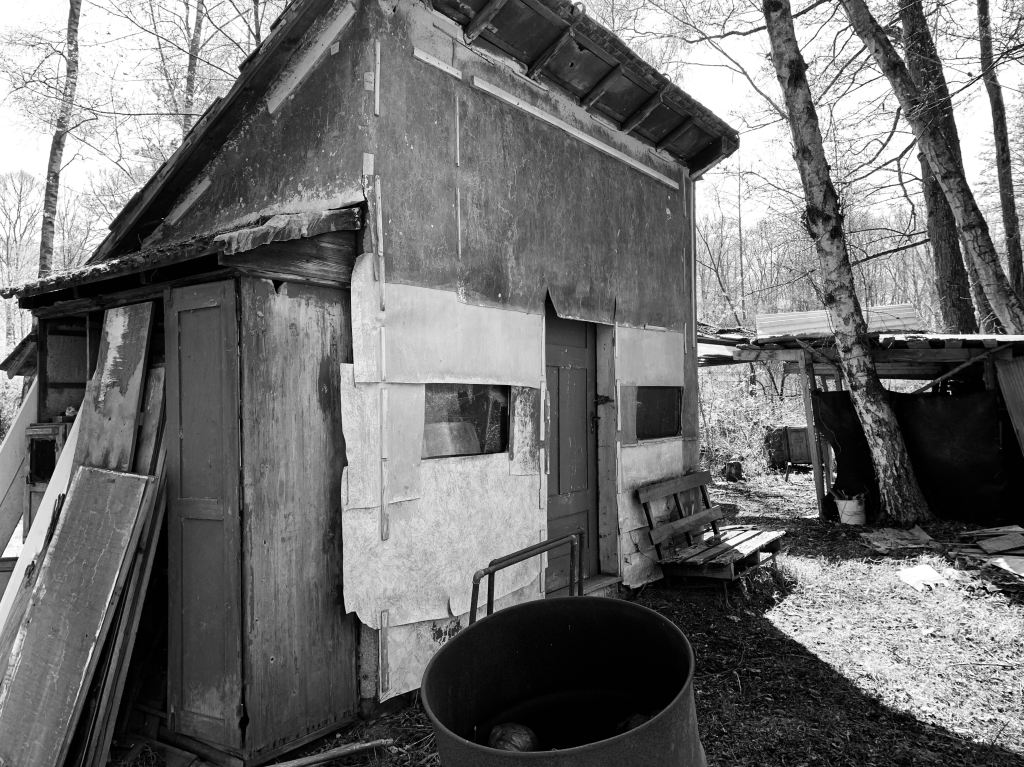
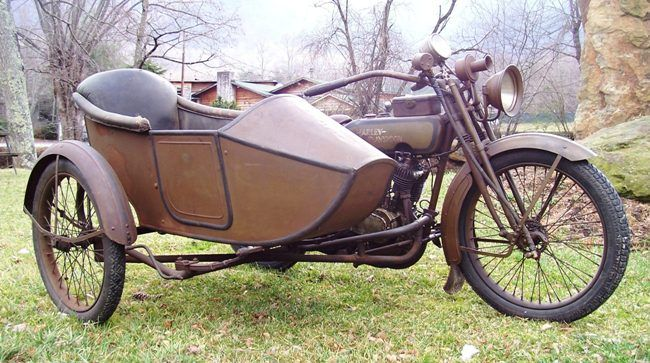

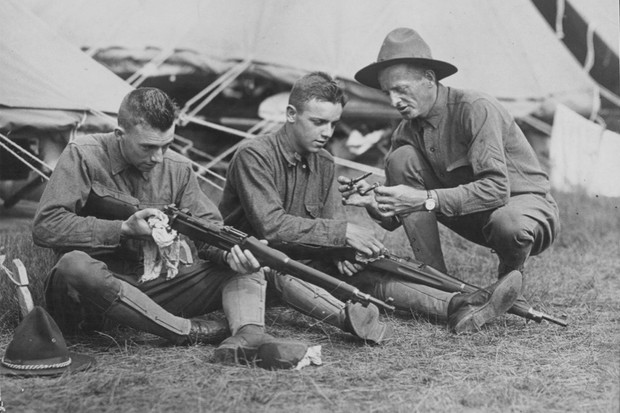

 The Quick and the Dead